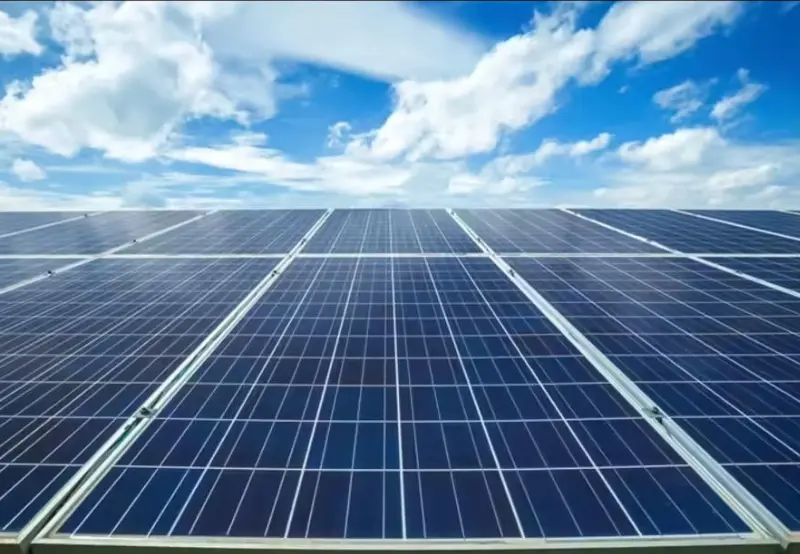

India has achieved a major milestone in its clean energy journey by adding around 35 gigawatts (GW) of distributed solar capacity across the country, supported by an investment of roughly $13 billion. This rapid expansion has taken place over the past 15 months and highlights India’s accelerating push towards decentralised renewable power.
Driving Growth in Distributed Solar
The latest surge in distributed solar installations reflects a shift in how electricity is generated and consumed in India. Distributed solar includes rooftop solar systems on homes and businesses as well as solarised agricultural pumps, enabling millions of consumers to generate their own clean energy close to the point of use. Thanks to this investment push, more than half of the 35 GW distributed renewable capacity has been added recently, underlining the success of targeted policies and programmes.
Large-scale national schemes, such as the PM Surya Ghar Muft Bijli Yojana, have played a pivotal role in encouraging households to adopt rooftop solar. Such initiatives offer financial incentives and simplified processes for installation, making solar power an attractive option for residential consumers. Meanwhile, the PM-KUSUM programme for solarising agricultural pumps has helped reduce energy costs for farmers, replacing costly grid or diesel power with clean, reliable solar energy.
Impact on Electricity Costs and Energy Access
Distributed solar has had a measurable impact on electricity affordability and access. In regions where solar pump systems have been installed, the cost of energy for irrigation has dropped significantly, benefiting rural economies and reducing financial pressure on farmers. Rooftop solar also helps households lower their grid electricity consumption, cut power bills and hedge against rising energy costs.
Beyond cost savings, distributed solar enhances energy independence by reducing reliance on conventional grid supply. In many cases, solar systems continue generating power during peak demand, easing pressure on distribution networks and improving overall energy resilience.
Government and Policy Support
Government backing has been instrumental in this achievement. Central and state schemes have lowered financial barriers for consumers and promoted widespread adoption of distributed renewable technologies. Financial institutions have supported the sector through loans and credit programmes, enabling households and small businesses to invest in solar systems without prohibitive upfront costs.
Officials expect continued momentum as policy refinement and technological innovation make distributed solar more efficient and affordable. As India scales up both rooftop solar and decentralised pump solarisation, distributed capacity is likely to keep pace with broader renewable energy ambitions.
Looking Ahead: Scaling Up Distributed Solar
India’s distributed solar milestone demonstrates strong demand and growing confidence in decentralised clean energy. With solar technology costs continuing to fall and installation numbers rising rapidly, distributed solar will be a key component of India’s renewable energy future.
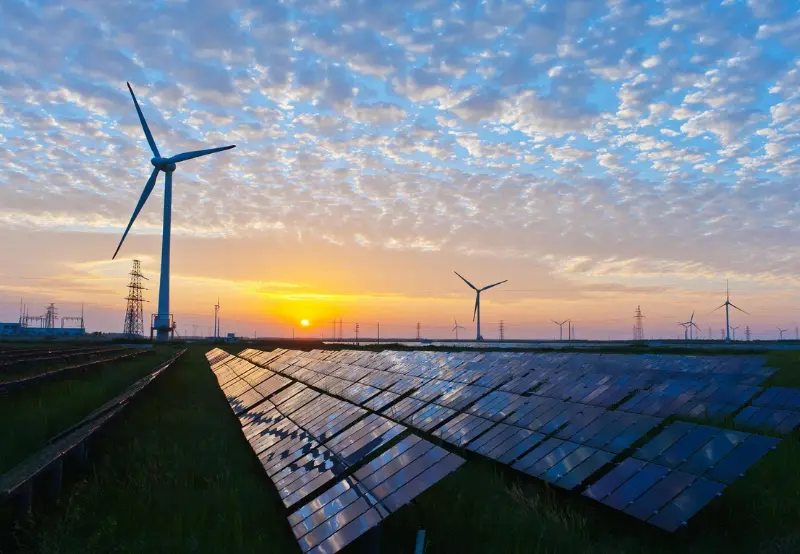
Industry experts believe that consumer-level solar adoption will remain central to achieving national clean energy targets. As distributed generation expands, it complements utility-scale solar projects and helps diversify India’s energy mix, bringing the country closer to its broader climate and sustainability goals.