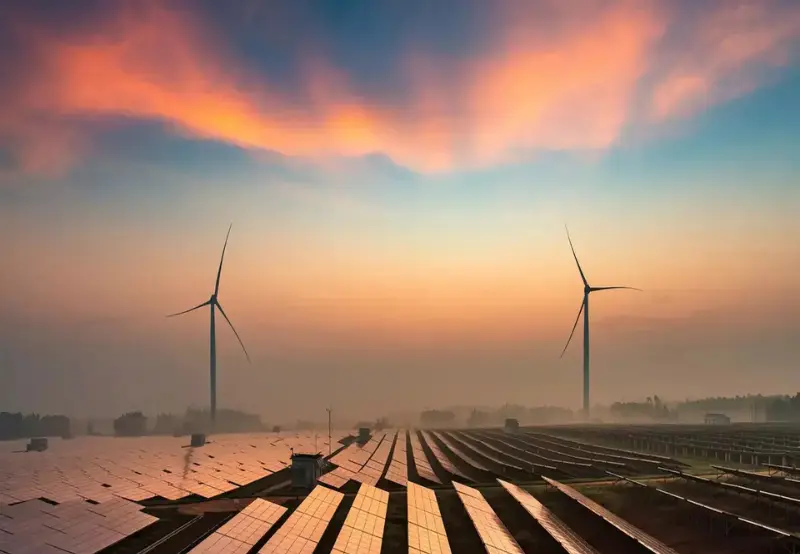
Ayala UPC renewables India deal marks a pivotal moment. A joint venture between Ayala Corporation’s energy arm ACEN and UPC Renewables has initiated the sale of up to 74% stake in its upcoming 1 GW utility-scale solar, wind, and hybrid clean‑energy projects in India. The total enterprise value? A staggering $600 million, with an equity portion valued at about $200 million, overseen by EY .
This development is stirring waves in the renewable energy market, not only for its size but for its strategic implications.
Deal Highlights
- The transaction involves three major projects:
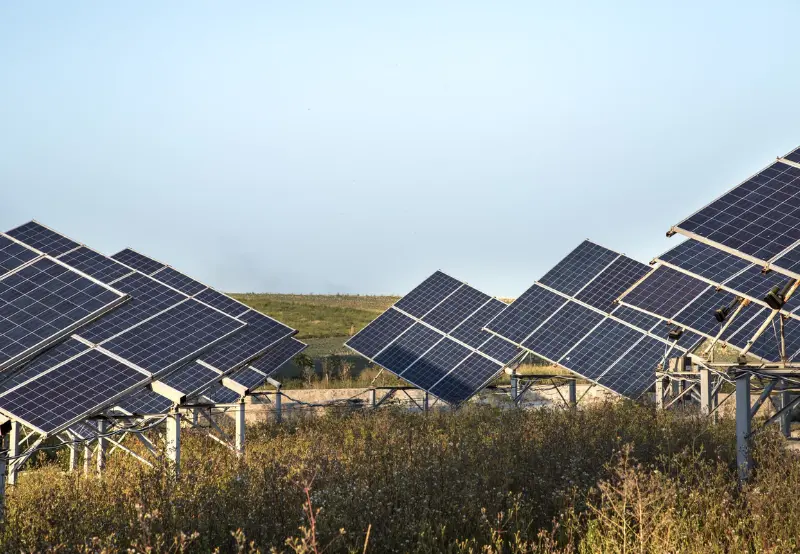
- A 420 MW solar farm near Barmer, Rajasthan
- A 100 MW wind farm in Karnataka
- A 520 MW wind‑solar hybrid plant, set for commissioning by 2027.
- EY is spearheading the sale process, engaging bidders through NDAs, data sharing, management sessions, and non‑binding followed by binding offers.
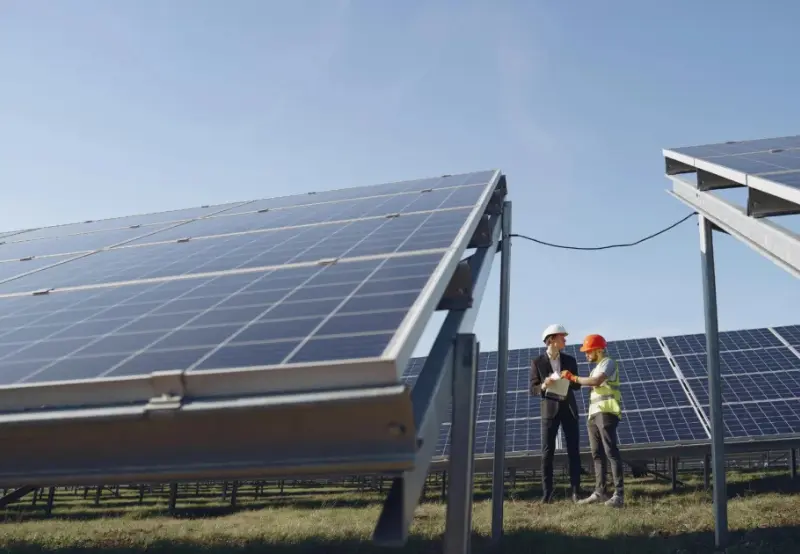
- Construction has already started on two components: the Rajasthan solar farm (420 MW) and a 120 MW wind farm in Karnataka (though the article mentions 100 MW earlier).
Why This Deal Matters
1. Mega‑Scale Momentum
India’s renewable sector is booming. The Central Electricity Authority anticipates peak demand hitting around 270 GW, up from 250 GW last May. With installed solar and wind capacities at approximately 110.9 GW and 51.3 GW, respectively, the country is on an aggressive path to hit 500 GW by 2030 – adding roughly 50 GW annually.
2. International Investment Flows
Ayala’s ACEN already manages roughly 3.3 GW operationally and 3.7 GW under development globally, while UPC controls 10 GW installed and 7 GW in development. In India alone, their current operating footprint includes 630 MW across Masaya, Paryapt, and Sitara solar farms. This JV sale is a major signal of confidence in India’s energy outlook.
3. Capital Recycling & Pipeline Expansion
Divesting majority stakes enables jVs like this to reallocate capital toward new ventures. The proceeds can help develop the rest of their 1 GW+ pipeline slated for completion by 2027.
4. Infrastructure & Risk Assessment
Despite positive momentum, challenges remain. Transmission bottlenecks, lower tariffs, and infrastructure delays loom . With ₹1 lakh crore in capex committed to grid expansion, the success of large‑scale projects hinges on iron‑clad evacuation plans .
Financial & Environmental Ripples
A Business News Asia report adds that the Rajasthan solar farm is expected to generate around 767 GWh annually, while the Karnataka wind farm brings in 391 GWh, enough to power roughly 241,000 homes and prevent nearly 876,000 tonnes of CO₂ emissions each year.
India’s transition to cleaner energy demands roughly US$1.3 trillion by 2035 to reach its 2070 net-zero ambitions, with 2024 renewables investment hitting US$33 billion and forecasts predicting a 12 % rise in 2025.
What This Means for Stakeholders
For Investors
This deal is attracting global capital interest, highlighting competitive bidding for Indian green assets. Backers gain exposure to low-cost renewables, long-term returns, and enhanced stability via EPC-backed infrastructure.
For Governments & Regulators
It reinforces India’s global credibility. As bidders pursue assets in India’s sunny and wind-rich regions, it paves the way for future project financing and technological adoption.
For Local Communities
The projects also promise socio-economic benefits. Ground-up construction is creating employment—roughly 1,500+ jobs—supporting growth in local economies . Plus, hybrid schemes improve grid reliability by mitigating the variability of solar and wind output.
Risks & Regulatory Watch
- Transmission bottlenecks remain a key hurdle; power evacuation infrastructure must grow swiftly to avoid stranded assets.
- Tariff competitiveness: Falling green energy tariffs have caused some states to delay PPAs .
- Execution threats: Right-of-way complications and equipment delays (e.g., transformers, HVDC systems) continue to pose timelines.
- Funding needs: The capital required remains hefty—estimated at US$1.3 trillion through 2035 .
Strategic Implications & Next Steps
This transaction signals a maturation in India’s green energy segment, shifting from pure build-to-commission to value-based capital rotation. Key next stages include:
- Shortlisting & final bids – EY is vetting investors and initiating binding offers.
- Deal closure & capital deployment – likely before end‑2025, funding construction.
- Project commissioning – within 2027, supporting India’s clean capacity goals.
For Ayala UPC renewables India deal, success means not just financial wins, but setting a precedent—blazing the trail for future JV exits and staggered capacity expansion.
The Ayala UPC renewables India deal is a powerful testament to India’s renewable ascent. A $600 million transaction for a 1 GW asset portfolio offers a framework for cross-border investment, national energy security, and decarbonization. As this JV enters its next chapter, the deal marks another rung on the ladder to India’s 500 GW renewables target by 2030—and Ayala & UPC’s global clean‑energy ambitions.