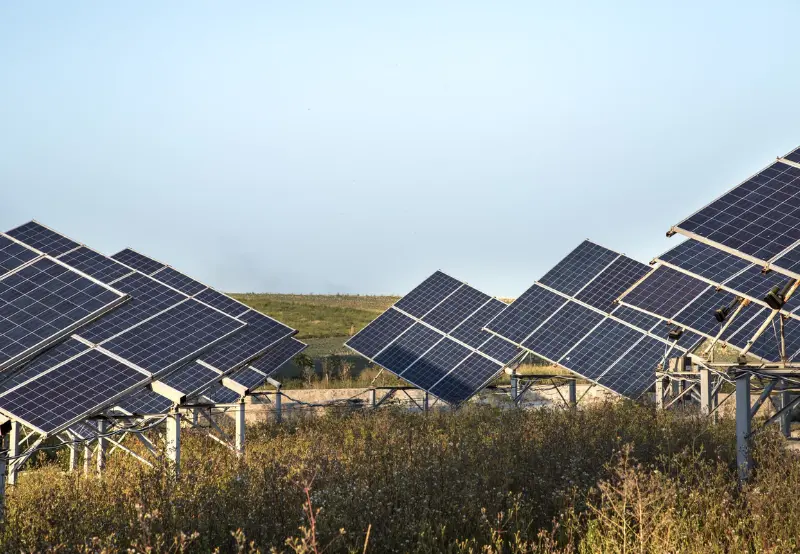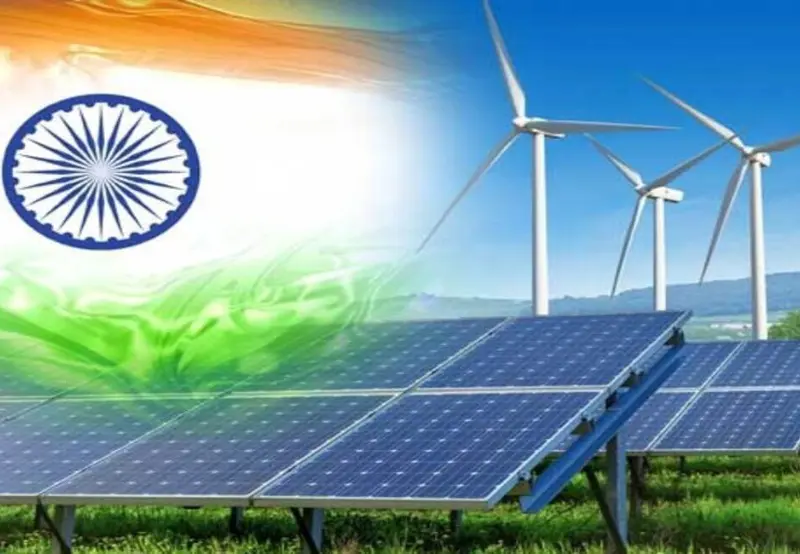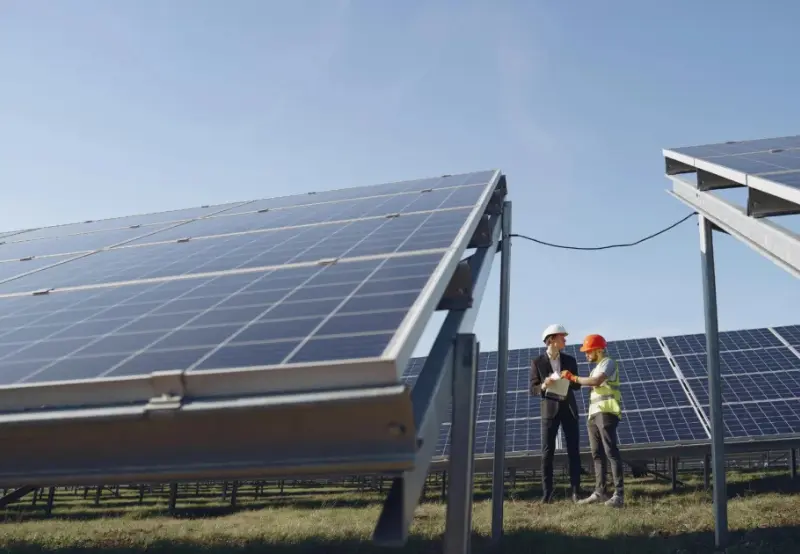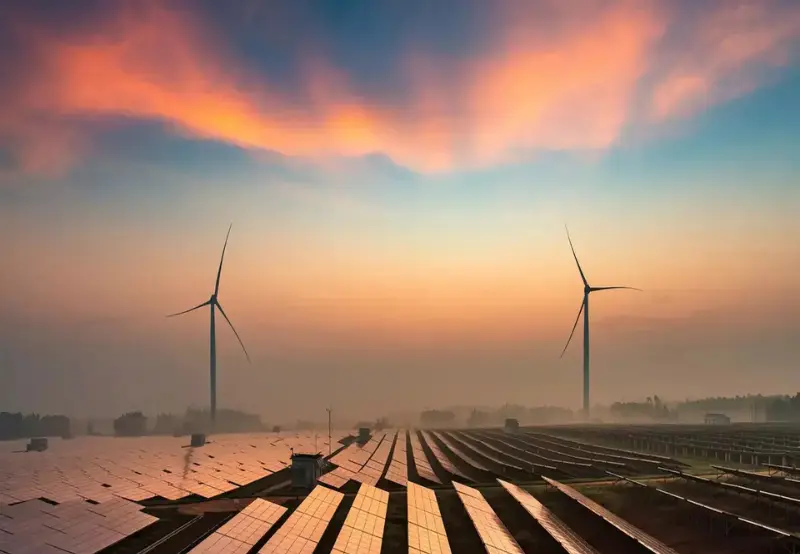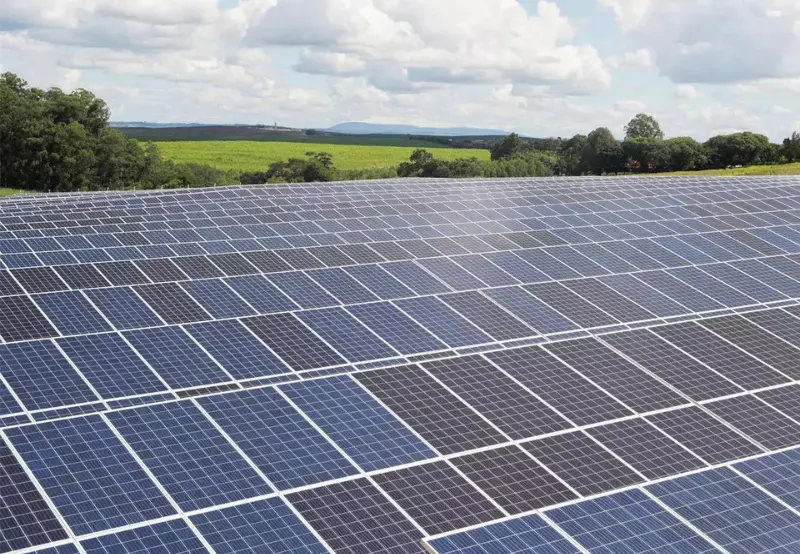

Solar Policy 2025 is set to reshape India’s renewable energy future by integrating solar power with pumped storage. Scheduled for release within 15 days, this forward-thinking policy will attract public-private investment and boost energy reliability across the nation.
India’s Solar Policy 2025: Revolutionizing Clean Energy Through Solar-Plus-Pump Storage
In a bold step towards a greener and more energy-secure future, India is preparing to launch its highly anticipated Solar Policy 2025—a comprehensive solar-plus-pump storage initiative that could become a cornerstone of the country’s renewable energy transformation. Set to be announced within the next 15 days, this groundbreaking policy aims to enhance the reliability of solar power and significantly attract both public and private investments in the renewable sector.
The announcement came during the Patna Renewable Energy Expo, where Bihar Deputy Chief Minister Samrat Choudhary confirmed that the framework for the new policy is in its final stages and will soon be rolled out. The initiative marks a critical milestone in India’s clean energy strategy and underlines the government’s commitment to achieving energy security while reducing carbon emissions.
What is India’s Solar Policy 2025?
Solar Policy 2025 is designed to combine solar photovoltaic (PV) power with pumped hydro storage—a smart grid strategy aimed at storing excess solar energy and supplying it when demand peaks or solar production drops. This hybrid solution bridges the gap between intermittent solar power generation and continuous electricity demand, making solar energy more reliable, round the clock.
Why Pumped Storage?
Pumped storage is widely regarded as one of the most efficient and proven forms of large-scale energy storage. It involves storing excess energy by pumping water to an elevated reservoir and releasing it to generate power when required. By integrating this with solar energy, India can stabilise its grid, cut down dependency on fossil fuels, and enhance energy security.
Key Benefits:
- Stabilises power supply during non-sunny hours
- Maximises solar energy utilisation
- Reduces reliance on coal-based backup power
- Encourages investment in green infrastructure
Boosting Investment in Renewable Energy
One of the primary objectives of Solar Policy 2025 is to attract both domestic and foreign investments into India’s renewable energy sector. By offering a clear regulatory framework and policy support, the government seeks to:
- Encourage private sector participation
- Offer long-term purchase agreements for developers
- Promote local manufacturing of solar and storage components
- Foster state-centre coordination for faster project implementation
The policy is expected to streamline land acquisition, provide subsidies or incentives for pumped storage, and facilitate easier grid access—especially in solar-rich states such as Rajasthan, Gujarat, and Bihar.
India’s Green Energy Vision
India has already made significant progress in its green transition, with non-fossil fuel sources contributing 49% to the energy mix as of 2025. This aligns with India’s Nationally Determined Contributions (NDCs) under the Paris Agreement, and its pledge to reach 500 GW of non-fossil energy capacity by 2030.
Solar Policy 2025 will accelerate this shift by enhancing storage capacity, reducing curtailment losses, and ensuring solar-generated electricity reaches consumers even after sunset.
Government and State-Level Initiatives
The Government of India and several states, particularly Bihar, Maharashtra, and Karnataka, are proactively working to set up hybrid parks and energy corridors that combine solar power and pumped storage systems. The Bihar government, under Deputy CM Samrat Choudhary’s leadership, is expected to lead from the front, providing the blueprint for other states to follow.
A Step Towards Energy Independence
India’s transition towards clean energy isn’t just an environmental necessity—it’s also an economic imperative. With increasing global oil prices, climate-related disasters, and pressure to reduce emissions, the country needs innovative policies like Solar Policy 2025 to meet energy demands sustainably.
According to IEA (International Energy Agency) reports, combining solar with storage solutions could reduce electricity costs by up to 30% by 2030. Such a model has already gained traction in countries like China, Australia, and the US
Key Takeaways and Outlook
| Key Feature | Expected Impact |
|---|---|
| Solar + Pumped Storage | Reliable and round-the-clock renewable power |
| Public-Private Investment | Boost to infrastructure and employment |
| Carbon Emission Reduction | Progress towards India’s Net Zero target by 2070 |
| Regulatory Clarity | Encourages foreign and domestic investors |
| Grid Stability & Accessibility | Supports rural electrification and clean energy |
Powering the Future, Sustainably
With Solar Policy 2025, India is not just embracing renewable energy—it’s innovating with purpose. By fusing solar energy with pumped hydro storage, the country is building an energy ecosystem that is resilient, sustainable, and future-ready. As we await its official release in the coming days, the policy promises to be a game-changer in the clean energy narrative of India.
This upcoming policy could serve as a global benchmark for how emerging economies can scale renewable power while maintaining economic growth and energy equity.