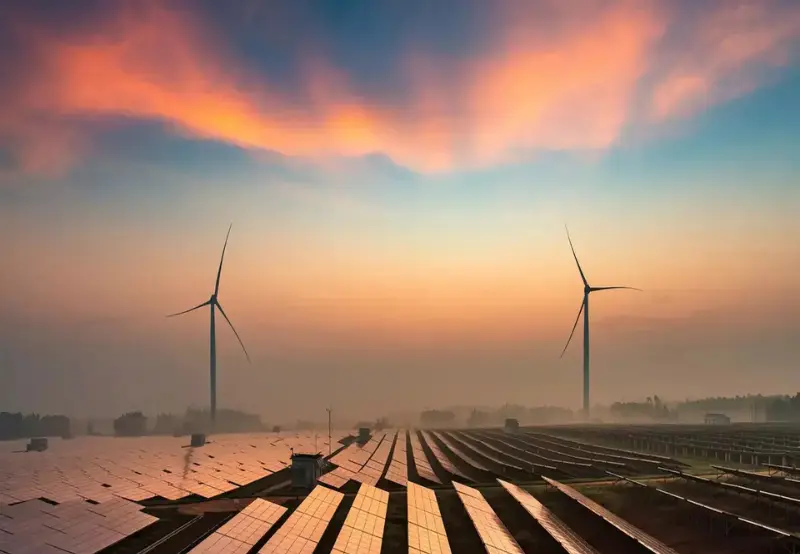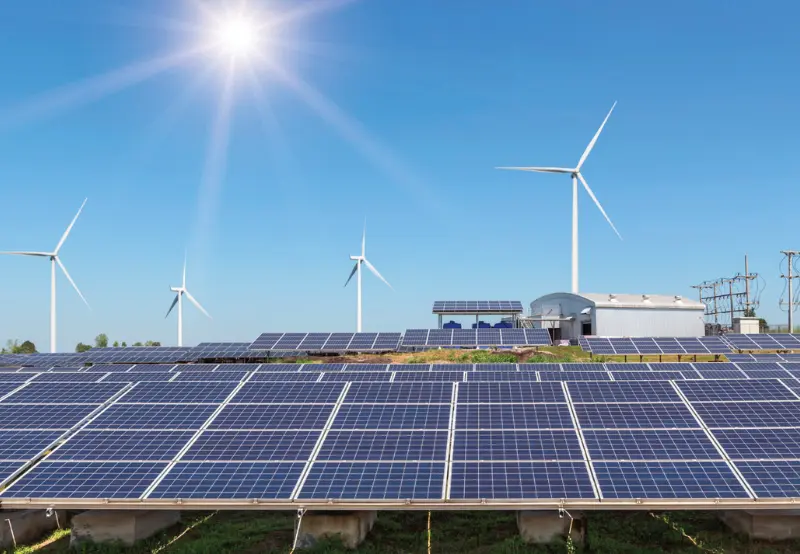

The Kerala 125 MW BESS project in Kasargod gets approval with ₹135 crore funding to support solar integration and peak demand reliability. A new era in energy storage begins.
Table of Contents
- Introduction
- Kerala 125 MW BESS: The Big Picture
- Location and Technology: Why Mylatti, Kasargod?
- What is BESS and Why Does Kerala Need It?
- How BESS Supports Solar Integration
- Viability Gap Funding: ₹135 Crore for Clean Energy
- Pilot for Broader Deployment
- India’s National Battery Storage Mission
- Global Lessons for India
- Conclusion: Kerala’s Strategic Energy Future
- SEO Keywords
1. Introduction
The Kerala 125 MW BESS project, recently approved by the Kerala State Electricity Regulatory Commission, marks a historic moment in India’s energy transition. With a whopping 500 MWh storage capacity, this system is designed to stabilise solar variability during peak hours, ensuring a more reliable and green power supply for the state.
Backed by ₹135 crore under the Central Viability Gap Funding (VGF), the project will be developed in Mylatti, Kasargod, and is expected to serve as a model for future grid-scale storage systems across India.
2. Kerala 125 MW BESS: The Big Picture
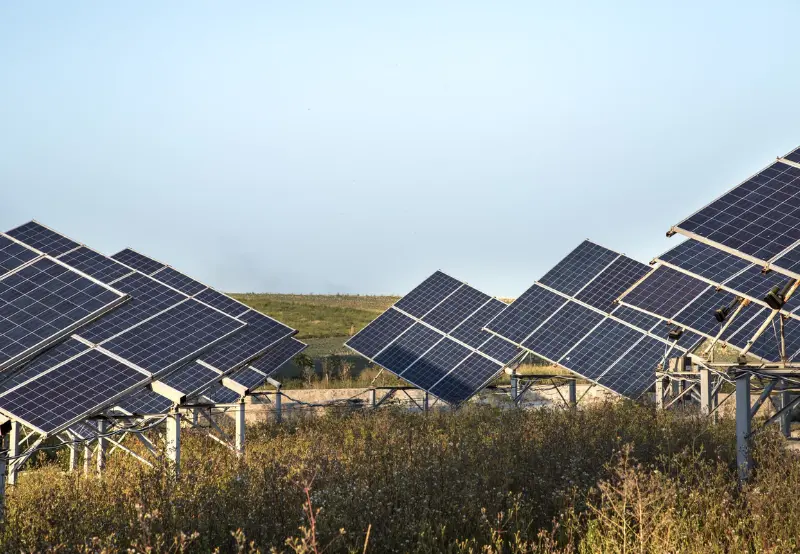
The energy storage system will help mitigate the intermittency of solar energy, storing surplus solar power during low-demand periods and discharging it during peak hours. The project is one of India’s largest approved BESS installations to date, indicating the nation’s serious commitment to integrated renewable infrastructure.
This development supports Kerala’s clean energy ambitions while also modernising its grid network.
3.Location and Technology: Why Mylatti, Kasargod?
Kasargod, located in northern Kerala, is ideal due to:
- Proximity to solar parks
- Grid accessibility
- Land availability
- High solar irradiance
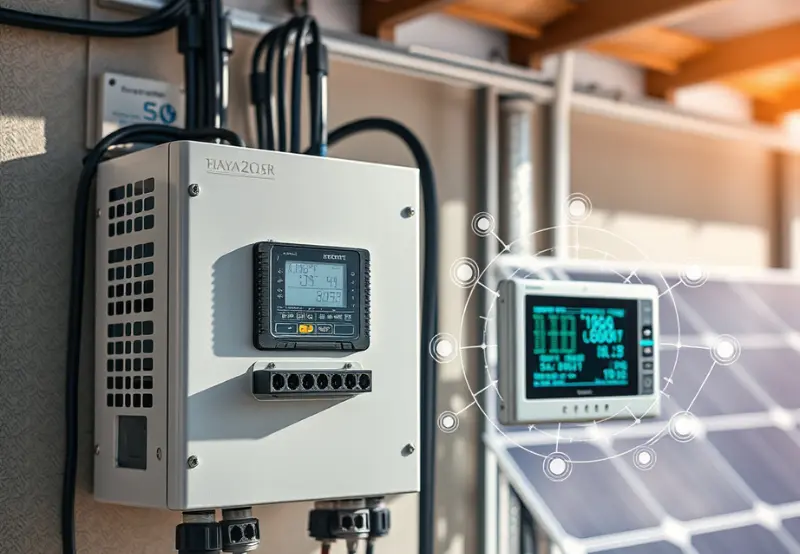
The Mylatti substation will house state-of-the-art lithium-ion or hybrid battery technologies, depending on procurement outcomes, with plans to integrate smart energy management systems.
4. What is BESS and Why Does Kerala Need It?
Battery Energy Storage Systems (BESS) allow electricity to be stored and released on demand. In Kerala, BESS is crucial for:
- Managing fluctuations in solar output
- Ensuring grid reliability during cloudy/rainy periods
- Avoiding blackouts during high evening demand
- Supporting distributed rooftop solar installations
Without storage, Kerala’s growing solar capacity could be curtailed, especially during off-peak hours when generation exceeds demand.
5. How BESS Supports Solar Integration
Kerala receives significant solar energy during the day. However, peak electricity consumption often occurs after sunset. Here’s how BESS bridges the gap:
- Stores excess solar energy generated during the afternoon
- Releases energy after sunset to meet evening peaks
- Reduces reliance on fossil-fuel peaker plants
- Ensures smooth frequency regulation of the grid
6. Viability Gap Funding: ₹135 Crore for Clean Energy
The project is supported by the Central Government’s Viability Gap Funding scheme, designed to encourage investments in capital-intensive but socially beneficial projects.
- Total VGF Approved: ₹135 crore
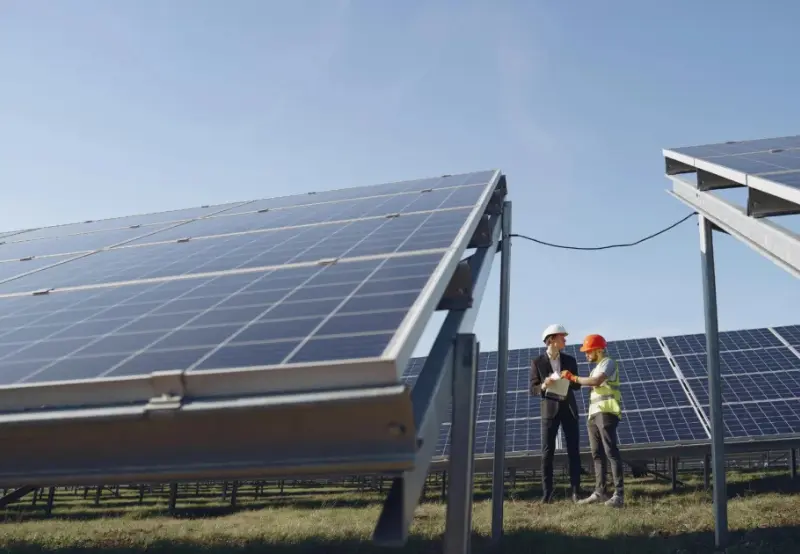
- Implementing Agencies: KSEB and SECI
- Execution Model: Public-private partnership (PPP)
This financial support ensures project bankability and encourages private-sector participation in clean energy infrastructure.
7. Pilot for Broader Deployment
The Kerala 125 MW BESS is more than a standalone project—it is a strategic pilot.
If successful, it will:
- Serve as a template for other Indian states
- Demonstrate the economics of storage-backed renewables
- Provide real-world data for grid management models
- Encourage multi-GWh storage installations across southern India
🇮🇳 8. India’s National Battery Storage Mission
India aims to install 47 GW / 236 GWh of battery storage by 2031–32 under its National Electricity Plan. Kerala’s project aligns with:
- Solar + storage auction models
- Regional energy self-sufficiency
- Grid decarbonisation
Other initiatives include:
- SECI’s 1,000 MWh storage tenders
- BESS mandates for new solar parks
- PLI schemes for domestic battery manufacturing
9. Global Lessons for India
Countries like Australia and the US have implemented BESS successfully:
- Hornsdale Power Reserve (Australia) – Prevents blackouts
- California ISO – Uses BESS for real-time balancing
Kerala’s strategy reflects these global best practices but with cost-effective execution and tropical climate customisation.
10. Conclusion: Kerala’s Strategic Energy Future
The Kerala 125 MW BESS isn’t just a technological leap—it’s a policy, economic, and environmental milestone. It offers a replicable blueprint for India’s clean energy expansion while strengthening Kerala’s grid and fulfilling its Net Zero aspirations.
This bold move will not only ensure energy security but also open new avenues for private innovation, public trust, and climate resilience.
Read:https://ecodigest.in/bit-ly-tatapowerbatterystoragekerala/