TVS iQube EV is now set to make waves in rural India. Discover how this electric scooter’s expansion will reshape the Indian EV landscape in 2025. Know the challenges, benefits, and future scope.
Table of Contents
- Introduction: EV Revolution Beyond Urban Boundaries
- Why TVS iQube is Heading to Rural India
- What Makes iQube a Fit for Rural Roads
- The Market Potential: Numbers Speak Loud
- Challenges Ahead for EV Penetration in Rural India
- TVS’s Strategic Moves for Rural Adaptation
- Expert Insights & Industry Reactions
- Government Initiatives Fueling Rural EV Growth
- What’s Next for iQube and India’s EV Sector
- Final Thoughts: A Step Towards Inclusive Green Mobility
1. Introduction: EV Revolution Beyond Urban Boundaries
TVS iQube EV Expansion into Rural India marks a pivotal moment in India’s electric mobility journey. While metro cities like Delhi, Bangalore, and Pune have seen the surge of EVs, the real success lies in democratising clean transport across all demographics and geographies.
TVS Motor Company, a pioneer in two-wheeler mobility, is steering its flagship e-scooter — the iQube — toward rural terrains, reshaping the narrative that EVs are just an urban luxury.
2. Why TVS iQube is Heading to Rural India
TVS has already made a strong mark in the urban electric two-wheeler market, with the iQube gaining popularity for its reliable performance, efficiency, and smart features. The expansion to tier 3 towns and rural belts is a strategic move to:
- Tap into new, untouched markets
- Support India’s carbon-neutral goals
- Align with rising rural electrification and e-mobility demand
- Encourage eco-conscious transportation in agri-centric and semi-urban regions
According to Autocar Pro and TVS’s official statements, the brand aims to increase accessibility by enhancing charging infrastructure, improving dealership reach, and launching custom financial solutions for rural customers.
3. What Makes iQube a Fit for Rural Roads
The iQube e-scooter isn’t just a city commuter. It boasts features that make it well-suited for rural use:
- Top Speed: 82 km/h — ideal for village-to-town commuting
- Real-World Range: 100+ km per charge (on SmartXonnect variant)
- Tyres & Suspension: Durable, designed for mixed terrains
- Smart Connectivity: Turn-by-turn navigation, geo-fencing, and remote diagnostics
- Battery: IP67-rated 3.04 kWh Li-ion, waterproof and weatherproof
Additionally, TVS’s battery-swapping and mobile service models are under pilot in rural areas, reducing charging anxieties and service unavailability.
4. The Market Potential: Numbers Speak Loud
India’s rural EV market is on the cusp of transformation:
- Rural India comprises 65% of the population, with increasing mobile and electricity penetration.
- As per IEA 2025 projections, the rural EV market will contribute 30% of India’s total EV growth by 2030.
- Affordable electric two-wheelers are expected to witness 3X growth in small towns over the next 3 years.
TVS is making an early bet — and if executed right, it could dominate the rural electric scooter segment just like it did with its petrol scooters in the early 2000s.
5. Challenges Ahead for EV Penetration in Rural India
Despite the optimism, there are real roadblocks:
- Charging Infrastructure Gaps
- Poor Internet Connectivity affecting smart features
- Lack of EV Awareness and technical literacy
- Battery Recyclability Concerns
- Limited After-sales Service Points
However, TVS seems determined to tackle these with innovative rural-focused solutions.
6. TVS’s Strategic Moves for Rural Adaptation
TVS’s roadmap for rural rollout includes:
- Setting up 1,000+ charging stations in tier 3 and rural areas by 2026
- Partnering with local MSMEs and agri-unions for last-mile delivery use cases
- Launching affordable financing with 0% EMI schemes for rural customers
- Offering battery-as-a-service (BaaS) for hassle-free usage
- Training local youth as EV technicians in partnership with government ITIs
These moves reflect a bottom-up approach to rural electrification, which was lacking in past EV expansion efforts.
7. Expert Insights & Industry Reactions
EV experts hail TVS’s move as a game-changer for rural transportation. According to Anirudh Ravi, an EV analyst with EVreport.in:
“If TVS manages to create micro-infrastructure in rural zones before its competitors, it’ll own a first-mover advantage in a market ripe for disruption.”
Industry leaders like Hero Electric and Ola Electric are also reportedly eyeing similar paths, but TVS is ahead in groundwork and real-time pilots.
8. Government Initiatives Fueling Rural EV Growth
TVS’s expansion is also aligned with government schemes and subsidies:
- FAME II Extension (Faster Adoption and Manufacturing of Hybrid and Electric Vehicles)
- State-level EV policies from Tamil Nadu, Maharashtra, and Kerala
- Rural EV awareness campaigns launched by MNRE & NITI Aayog
- PLI Scheme for Battery Manufacturing
Moreover, states like Kerala and Karnataka are offering incentives for setting up rural charging grids — a golden opportunity for OEMs like TVS.
👉 Check this related article on EcoDigest for government EV policy updates:
How State Policies are Accelerating EV Growth in India
9. What’s Next for iQube and India’s EV Sector
TVS is likely to:
- Launch a new rural-exclusive variant of iQube
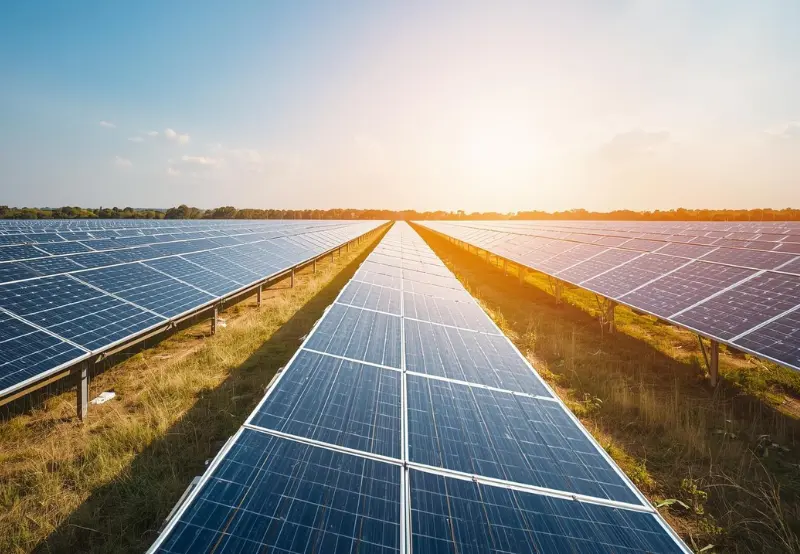
- Introduce solar-based rural charging stations
- Integrate IoT for offline data sync in low-connectivity zones
- Expand EV subscription models for rural delivery businesses
As TVS accelerates its journey, it’s clear that the electric revolution is no longer limited to cities.
10. Final Thoughts: A Step Towards Inclusive Green Mobility
TVS iQube EV Expansion into Rural India is more than a corporate strategy — it’s a climate-conscious commitment. With proper support, this move can trigger an inclusive green revolution, bridging the urban-rural mobility gap and setting a global benchmark in sustainable transportation.