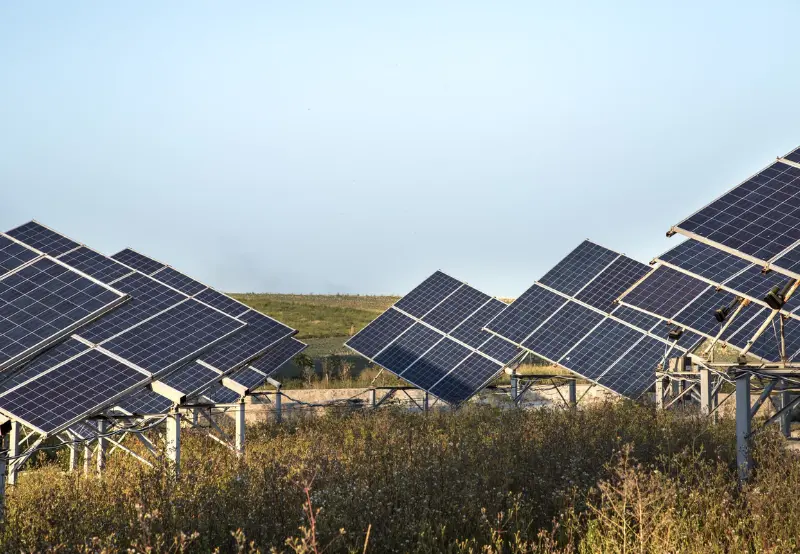
Kerala Open-Access Solar project delivers 2 MW to Cochin Port’s IGTPL via a captive plant in Malappuram, tackling power banking and licensing hurdles.
Table of Contents
- Introduction
- What is Open-Access Solar?
- Kerala’s 2 MW Milestone
- Cochin Port & IGTPL: Going Green
- Why Malappuram Captive Plant?
- Tackling Banking & Licensing Hurdles
- Economic & Environmental Impact
- Open-Access Solar in India: Policy Context
- Challenges Ahead
- Conclusion
1. Introduction
The Kerala Open-Access Solar initiative has taken a decisive leap forward with the Kerala State Electricity Regulatory Commission (KSERC) approving 2 MW of open-access solar power supply to Cochin Port’s International Container Transhipment Terminal (IGTPL). The power will come from a captive solar plant in Malappuram, signalling a crucial move towards sustainable port operations in the state.
2. What is Open-Access Solar?
Open-access solar allows large power consumers to buy electricity directly from producers, bypassing the local distribution company. This model:
- Reduces dependency on costly grid power
- Promotes renewable energy use
- Encourages private investment in solar capacity
3. Kerala’s 2 MW Milestone
The KSERC’s nod enables IGTPL to source 2 MW of green energy for its operations, contributing to the port’s sustainability goals. This is significant for Kerala, where industrial solar adoption has been slower due to:
- Land availability constraints
- Regulatory complexities
- High upfront investment requirements
4. Cochin Port & IGTPL: Going Green
IGTPL, a key operator at Cochin Port, handles a large volume of container traffic. By integrating open-access solar power:
- Operational carbon footprint will reduce sharply
- Energy costs will stabilise
- The terminal will align with global green port standards
5. Why Malappuram Captive Plant?
The choice of Malappuram for the captive solar plant comes down to:
- Solar irradiation potential in the district
- Availability of contiguous land parcels
- Proximity to transmission infrastructure for grid injection
6. Tackling Banking & Licensing Hurdles
The project faced challenges in:
- Power banking regulations (storing surplus solar power for later use)
- Licensing approvals from multiple state bodies
KSERC’s proactive intervention has:
- Clarified policy interpretations
- Streamlined the approval process
- Set a precedent for future open-access projects in Kerala
7. Economic & Environmental Impact
Economic benefits:
- Potential savings of ₹1–1.5 crore annually for IGTPL
- Reduced reliance on expensive grid tariffs
Environmental benefits:
- Annual CO₂ reduction of approximately 2,800 tonnes
- Support for Kerala’s renewable energy targets under the State Energy Policy
8. Open-Access Solar in India: Policy Context
Open-access solar is gaining traction nationwide. The Electricity Act 2003 and Green Energy Open Access Rules 2022 have:
- Reduced approval timelines
- Lowered banking charges in some states
- Encouraged captive and third-party PPAs
Kerala’s latest decision aligns with these national reforms and signals readiness to attract more renewable investments.
9. Challenges Ahead
Despite the milestone, challenges remain:
- Intermittency of solar generation without storage solutions
- Possible changes in regulatory fees for open access
- Need for robust transmission network upgrades
10. Conclusion
The Kerala Open-Access Solar approval for Cochin Port’s IGTPL is more than a 2 MW project—it’s a green signal for future renewable energy integration in Kerala’s industrial sector. By overcoming banking and licensing barriers, it sets a model for other ports, industries, and commercial complexes to follow.
With the right policy support, projects like these can propel Kerala closer to its carbon neutrality ambitions and solidify its place on India’s renewable energy map.
This initiative also highlights the importance of collaboration between regulators, private developers, and end-users in accelerating the clean energy transition. If replicated across other sectors, open-access solar could not only cut operational costs but also establish Kerala as a frontrunner in sustainable industrial practices, contributing to both state and national climate goals. By continuing to prioritise clean power access, Kerala can pave the way for a resilient and self-reliant energy future.
Read more:Kerala 125 MW BESS Approved | Game-Changer for Solar Grid Integration