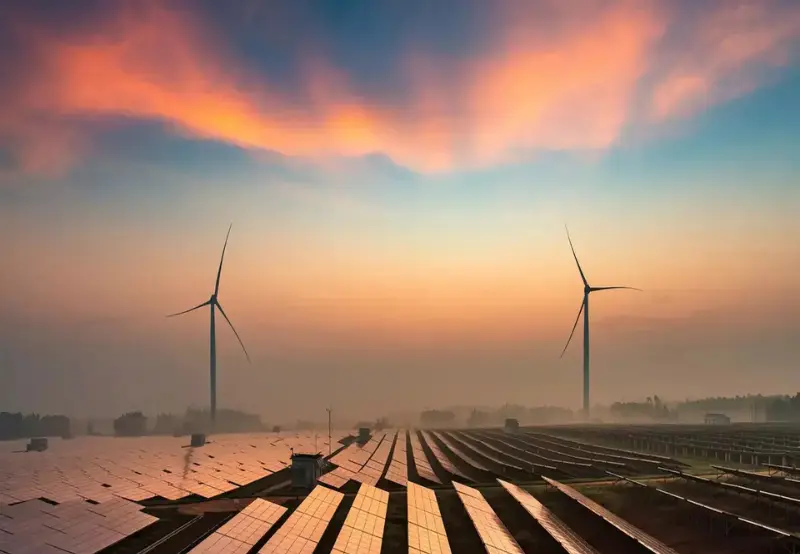
Bahrain First Solar Project – A 150 MW plant near Bilaj Al Jazayer – sets the nation on track for net-zero by 2060. Discover its impact, benefits, and Gulf region comparisons.
Table of Contents
- Introduction
- Bahrain First Solar Project Overview
- Why Bilaj Al Jazayer? Strategic Location Insights
- The Role of Renewable Energy in Bahrain’s Net-Zero 2060 Plan
- Technical Details of the 150 MW Solar Plant
- Environmental and Economic Benefits
- How Bahrain Compares with Other Gulf Solar Initiatives
- The Roadblocks and Challenges Ahead
- Regional Collaboration Opportunities
- Conclusion – A Bright Energy Future
1.Introduction
The Bahrain First Solar Project marks a turning point in the island nation’s energy history. For decades, Bahrain’s electricity grid relied heavily on natural gas and oil-fired plants, but now the government has officially broken ground on a 150 MW solar power installation near Bilaj Al Jazayer.
This project is more than just an energy development—it’s a statement of intent. Bahrain is aligning itself with the global clean energy movement and committing to net-zero carbon emissions by 2060. It’s also a response to growing energy demand, climate commitments, and the need for economic diversification.
2.Bahrain First Solar Project Overview
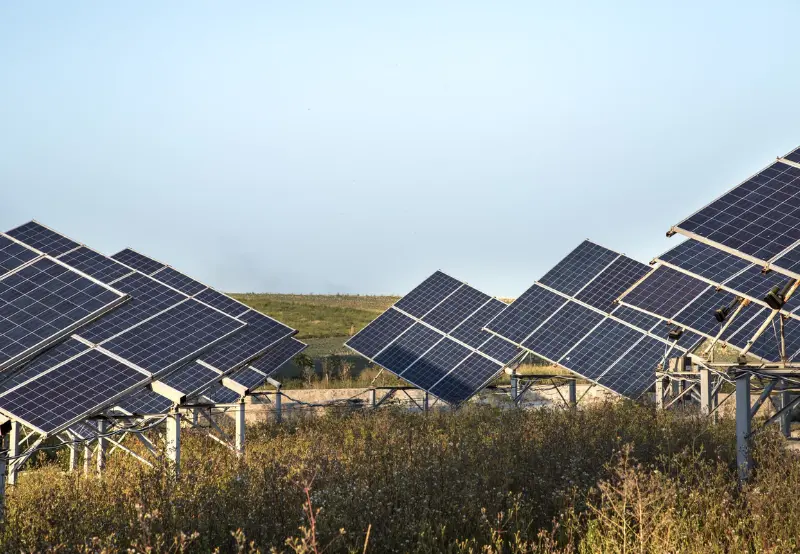
The 150 MW plant is the first large-scale solar project in Bahrain, representing a significant leap from the country’s smaller rooftop and pilot renewable projects.
- Capacity: 150 MW (enough to power roughly 20,000 Bahraini homes annually)
- Location: Bilaj Al Jazayer, a coastal site with high solar irradiation
- Timeline: Construction expected to complete within 24–30 months
- Lead Agencies: Bahrain’s Sustainable Energy Authority (SEA) and Ministry of Electricity and Water Affairs
This project is also part of the country’s National Renewable Energy Action Plan (NREAP), which targets 5% renewable energy share by 2025 and 10% by 2035.
3.Why Bilaj Al Jazayer? Strategic Location Insights
Bilaj Al Jazayer, on Bahrain’s western coastline, offers:
- High solar irradiance with over 3,000 hours of sunshine annually
- Proximity to existing transmission infrastructure, reducing grid connection costs
- Stable land conditions for large-scale PV deployment
The coastal winds also help keep panel temperatures in check, boosting efficiency.
4.The Role of Renewable Energy in Bahrain’s Net-Zero 2060 Plan
Bahrain’s net-zero by 2060 pledge is ambitious given its size and fossil fuel dependence. The Bahrain First Solar Project is the centrepiece of this strategy.
Renewables in Bahrain are expected to:
- Reduce greenhouse gas emissions
- Lower dependence on natural gas imports
- Encourage private investment in clean energy infrastructure
This aligns with the Bahrain Economic Vision 2030, which prioritises sustainability, innovation, and diversified economic growth.
5.Technical Details of the 150 MW Solar Plant
While detailed engineering plans are yet to be fully disclosed, early reports suggest:
- PV Technology: High-efficiency monocrystalline modules
- Mounting: Fixed-tilt with optimised angle for year-round production
- Expected Annual Output: ~250 GWh
- CO₂ Reduction: ~150,000 tonnes annually
- Financing Model: Public-private partnership, with competitive bidding from global EPC firms
Energy from this plant will feed directly into Bahrain’s national grid, with priority given to industrial and commercial consumers.
6.Environmental and Economic Benefits
Environmental Gains:
- Cuts Bahrain’s carbon footprint
- Improves air quality by reducing fossil fuel combustion
- Supports biodiversity by using low-impact construction techniques
Economic Impact:
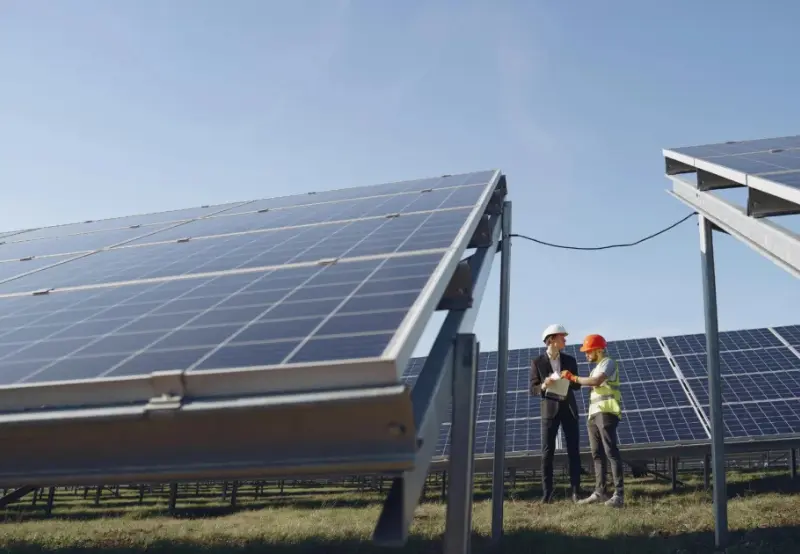
- Creates 500+ construction jobs and 50+ permanent roles
- Attracts foreign direct investment in clean energy
- Reduces electricity subsidy burdens on the government
7.How Bahrain Compares with Other Gulf Solar Initiatives
Bahrain is catching up with its Gulf neighbours:
- UAE: Home to the Mohammed bin Rashid Al Maktoum Solar Park (5 GW target)
- Saudi Arabia: Developing Al Shuaiba Solar Project (2.6 GW)
- Oman: Building Ibri II Solar Plant (500 MW)
While Bahrain’s 150 MW plant is modest in size, it’s strategically significant as the country’s first utility-scale solar venture.
8.The Roadblocks and Challenges Ahead
Key hurdles include:
- Limited land availability for future large-scale projects
- Intermittency of solar power requiring battery storage solutions
- Policy clarity on private sector participation in renewable generation
However, Bahrain is exploring offshore solar platforms and floating PV systems to overcome land constraints.
9.Regional Collaboration Opportunities
Bahrain can strengthen its renewable future by:
- Partnering with GCC interconnection projects for cross-border power trading
- Joint R&D on desert-specific solar panel durability
- Pooling procurement to lower equipment costs
Such partnerships can position Bahrain as a regional hub for small but highly efficient solar deployments.
10.Conclusion – A Bright Energy Future
The Bahrain First Solar Project is not just a milestone—it’s the start of a clean energy era for the kingdom. By embracing large-scale renewables, Bahrain is signalling its readiness to be part of the Gulf’s green transition.
If delivered on time and efficiently, this 150 MW project could pave the way for larger, more ambitious solar farms, battery storage facilities, and hybrid renewable solutions—ensuring that by 2060, Bahrain achieves its net-zero promise.
🔗 Related Read on EcoDigest: Global Solar Generation to Surpass Nuclear in 2025 | 7 Key Signs of the Shift