UK solar generation hits record high at 9.91 TWh in the first half of 2025. Learn how this solar boom is cutting gas reliance and transforming Britain’s renewable energy future.
Table of Contents
- Introduction: UK Solar Generation Hits Record High
- The Numbers Behind the Solar Surge
- Weather Conditions and Solar Potential
- How Solar Compensated for Weak Wind Output
- The Role of Solar in Reducing Gas Reliance
- Policy Drivers Behind the Solar Boom
- Solar Technology Advances Boosting Efficiency
- Investment and Financing in UK Solar
- The C&I and Rooftop Solar Revolution
- Challenges Ahead for UK Solar
- Comparisons with European Solar Growth
- Future Outlook: Towards a 2030 Renewable Target
- Conclusion: A Bright Future for UK Clean Energy
Introduction: UK Solar Generation Hits Record High
The first half of 2025 has delivered an unprecedented milestone: UK solar generation hits record high, surging nearly one-third compared with last year to reach 9.91 terawatt-hours (TWh).
This achievement highlights the UK’s growing ability to harness solar energy not only as a clean alternative but also as a critical stabiliser in the nation’s energy mix. With wind output weaker than expected in early 2025, solar stepped up to ensure the lights stayed on, reducing reliance on expensive and polluting gas-fired power plants.
It is a moment that demonstrates the UK’s resilience, innovation, and potential as it races towards its 2030 renewable energy goals.
The Numbers Behind the Solar Surge
According to official grid data, UK solar output from January to June 2025 reached 9.91 TWh. That’s a 31% increase year-on-year and the highest half-year solar generation figure ever recorded in the UK.
To put this into perspective:
- Solar supplied roughly 8% of the UK’s total electricity needs during this period.
- At peak times in May and June, solar provided over 30% of national demand.
- Cumulative solar capacity in the UK now exceeds 15 GW, with over 1.2 million rooftop solar systems installed nationwide.
This rapid growth underlines how solar is evolving from a “supporting role” to a central pillar of UK clean energy policy.
Weather Conditions and Solar Potential
Part of the surge can be attributed to favourable weather conditions. Early 2025 saw longer spells of sunshine compared with the same period in 2024, especially in southern England.
However, analysts point out that weather is only part of the story. The main driver is the steady expansion of solar capacity, particularly in utility-scale solar farms and rooftop installations.
Data shows that over 2 GW of new solar capacity was added in the UK in 2024 alone, feeding directly into this year’s record generation.
How Solar Compensated for Weak Wind Output
Interestingly, the UK’s solar boom comes at a time when wind output has been unusually weak. In the first half of 2025, wind generation dropped by nearly 12%, partly due to calmer weather patterns across the North Sea.
Solar energy played a crucial balancing role here. Without record solar production, the UK would have been forced to import more electricity from Europe or ramp up gas-fired generation, leading to higher costs and carbon emissions.
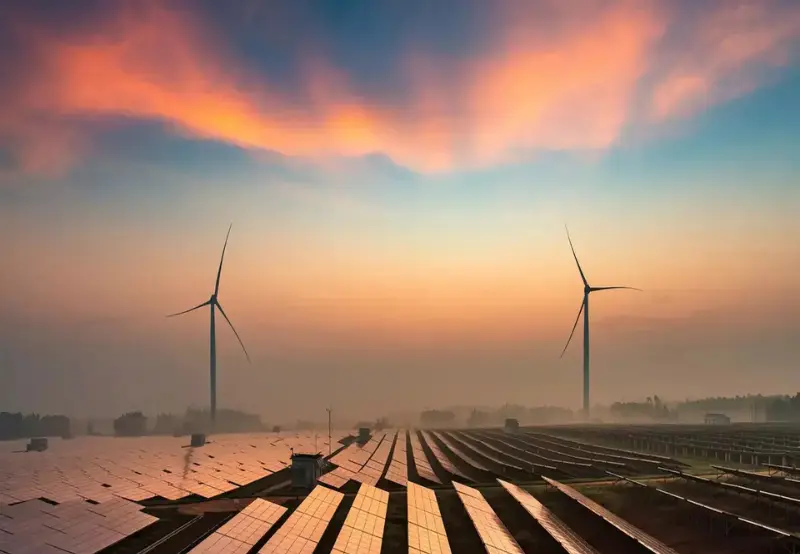
This shows how solar and wind complement one another—when the wind isn’t blowing, the sun often shines. The two technologies together form the backbone of the UK’s net-zero electricity future.
The Role of Solar in Reducing Gas Reliance
The rise in solar generation has directly helped cut the UK’s dependence on gas-fired power plants. Gas, still a significant part of the energy mix, accounted for 35% of electricity generation in early 2025.
However, without solar’s record performance, gas reliance would have been closer to 45%, according to analysts at Carbon Brief.
This translates to:
- Lower electricity bills for households, since solar reduces exposure to volatile gas prices.
- Reduced carbon emissions, saving millions of tonnes of CO₂.
- Improved energy security, especially amid ongoing global energy market uncertainty.
Policy Drivers Behind the Solar Boom
Government policies have also played a strong role in the UK solar boom. Key measures include:
- Contracts for Difference (CfD) scheme: Providing long-term price stability for renewable developers.
- Smart Export Guarantee (SEG): Allowing households with rooftop solar to sell surplus electricity back to the grid.
- Business rates relief and green financing: Encouraging investment in commercial solar projects.
The UK’s policy framework is gradually aligning with its target to achieve 70 GW of solar capacity by 2035, a key milestone in its net-zero 2050 plan.
🔗 Related Reading: Solar Infrastructure Drives a Brighter Future Across the UK
Solar Technology Advances Boosting Efficiency
Beyond weather and policy, advances in solar technology are driving efficiency and reliability.
Key breakthroughs include:
- Bifacial solar panels that capture sunlight on both sides.
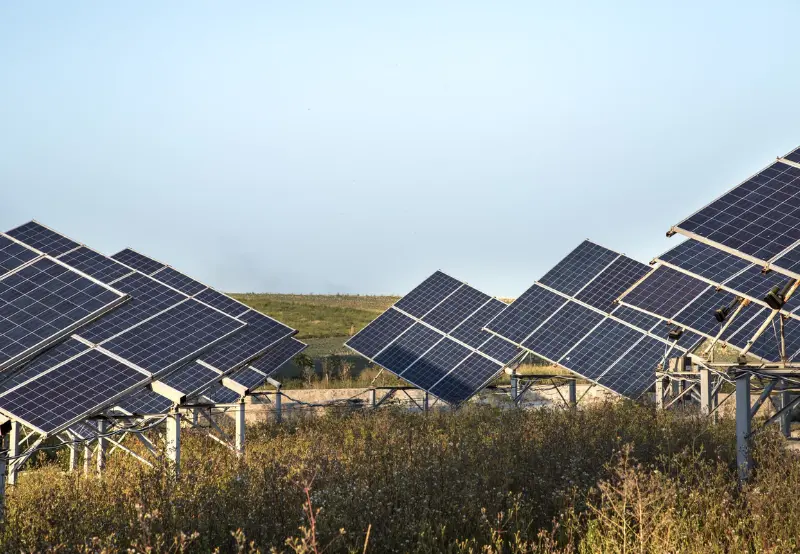
- Tracking systems that tilt panels to follow the sun’s path.
- High-efficiency cells with over 23% conversion rates, reducing land footprint.
- Integration with battery storage systems, enabling round-the-clock solar power.
These innovations are making solar more attractive for utility-scale developers and homeowners alike, contributing to the record 2025 output.
Investment and Financing in UK Solar
The record generation has been supported by a surge in investment. According to BloombergNEF, UK solar attracted £4.5 billion in new investment in 2024, with both domestic and international investors seeing solar as a low-risk, high-return opportunity.
Private equity funds, pension schemes, and infrastructure firms are increasingly backing solar projects, thanks to predictable returns and strong policy support.
This trend suggests that solar will continue to be the fastest-growing renewable segment in the UK.
The C&I and Rooftop Solar Revolution
While large solar farms get much attention, the real revolution is happening on rooftops.
- Over 1.2 million households now have rooftop solar installed.
- The commercial and industrial (C&I) sector is rapidly adopting solar to cut costs and meet ESG goals.
- Schools, supermarkets, and warehouses are increasingly turning to solar + storage to achieve energy independence.
By 2030, rooftop solar could supply up to 20% of the UK’s electricity demand, according to the Solar Energy UK association.
Challenges Ahead for UK Solar
Despite record success, challenges remain:
- Grid constraints: Many regions face difficulties connecting new solar projects due to limited capacity.
- Planning hurdles: Delays in local planning approvals slow down deployment.
- Intermittency: Solar still requires storage solutions to provide reliable supply during cloudy days and nights.
- Supply chain risks: Dependence on imported solar modules raises concerns over cost and security.
Overcoming these issues will be key to maintaining growth momentum.
🇪🇺 Comparisons with European Solar Growth
The UK is not alone in experiencing a solar boom. Across Europe:
- Germany generated nearly 35 TWh of solar power in the first half of 2025.
- Spain saw solar generation grow by 28%, thanks to record capacity additions.
- France has doubled its solar installations in just three years.
The UK is catching up fast, but still lags behind continental leaders in installed capacity. Continued investment and policy support are needed to bridge the gap.
Future Outlook: Towards a 2030 Renewable Target
The UK government’s net-zero strategy aims for:
- 70 GW of solar capacity by 2035
- A fully decarbonised power system by 2035
- Net-zero emissions by 2050
If the momentum of 2025 continues, solar could exceed 10% of the UK’s electricity mix by 2026 and become the second-largest renewable source after wind by the end of the decade.
Conclusion: A Bright Future for UK Clean Energy
The milestone that UK solar generation hits record high at 9.91 TWh in early 2025 is more than just a statistic—it’s a signal of profound change. Solar is no longer a supplementary technology; it’s becoming the backbone of a cleaner, cheaper, and more secure UK power system.
As technology advances, investment flows, and supportive policies align, solar will continue to transform the UK’s energy landscape, cutting reliance on gas, balancing weaker wind periods, and empowering households and businesses alike.
The sun, it seems, has never shone brighter on Britain’s clean energy future.