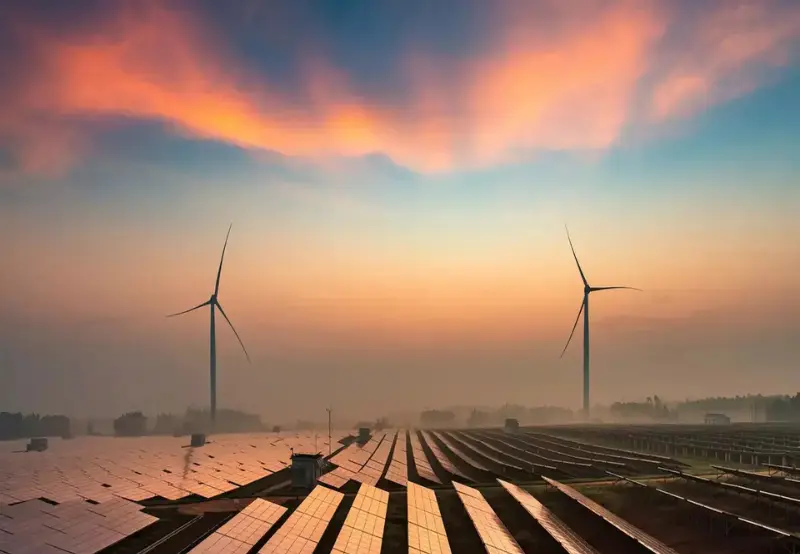
Andhra Pradesh BESS Tender for 1,000 MW/2,000 MWh marks India’s largest storage plan, boosting renewable integration and grid flexibility.
📑 Table of Contents
- Introduction
- Andhra Pradesh BESS Tender Overview
- Why This Tender Matters
- The Technology: What is a BESS?
- Andhra Pradesh’s Renewable Energy Landscape
- Role of APTRANSCO in Driving Change
- Benefits of the BESS Tender
- Challenges and Risks
- Global Lessons for India
- Economic Impact and Job Creation
- Future Outlook
- Conclusion
🌍 Introduction
The Andhra Pradesh BESS Tender for 1,000 MW / 2,000 MWh of battery energy storage systems (BESS) has created a buzz in India’s renewable energy sector. Issued by APTRANSCO, the state’s transmission utility, this tender is one of the most ambitious energy storage projects in the country.
It represents a major step towards ensuring round-the-clock renewable power, tackling the intermittency of solar and wind energy, and supporting India’s national targets of 500 GW of non-fossil energy capacity by 2030.
By focusing on large-scale energy storage, Andhra Pradesh is signalling its commitment to grid flexibility, clean energy reliability, and long-term sustainability.
📦 Andhra Pradesh BESS Tender Overview
- Tendering Authority: Andhra Pradesh Transmission Corporation (APTRANSCO)
- Capacity: 1,000 MW (power), 2,000 MWh (storage)
- Type: Battery Energy Storage System (grid-scale)
- Objective: Strengthen grid reliability, store surplus renewable power, and supply during peak demand
This is not just a state-level initiative. It fits into India’s broader push for energy storage integration, aligning with tenders floated by SECI (Solar Energy Corporation of India) and NTPC.
🔑 Why This Tender Matters
The Andhra Pradesh BESS Tender is critical because:
- Balancing Renewables: Solar and wind supply is variable. Batteries smooth out fluctuations.
- 24/7 Power Supply: Enables delivery of renewable energy even at night or during low-wind conditions.
- Energy Security: Reduces reliance on coal plants and fossil-fuel peaker plants.
- Decentralisation: Opens opportunities for storage hubs across districts, reducing transmission losses.
- National Contribution: Supports India’s target of 47.24 GW/236.24 GWh of BESS by 2032.
⚡ The Technology: What is a BESS?
A Battery Energy Storage System (BESS) stores electricity when generation exceeds demand and discharges it when demand exceeds generation.
Key features:
- Lithium-ion dominance: Most current projects use Li-ion batteries due to falling costs.
- Duration: The Andhra Pradesh BESS will have a 2-hour discharge cycle, perfect for peak evening demand.
- Scalability: Units can be expanded as demand grows.
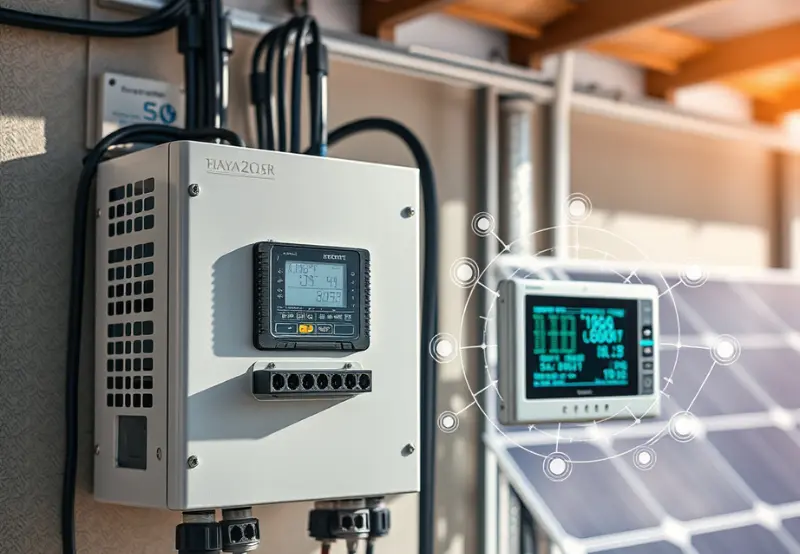
- Digital management: AI-driven Battery Management Systems (BMS) enhance safety and efficiency.
This tender ensures that cutting-edge BESS tech will be deployed at scale in India.
☀️ Andhra Pradesh’s Renewable Energy Landscape
Andhra Pradesh is already a renewable powerhouse:
- Over 9 GW of renewable capacity installed
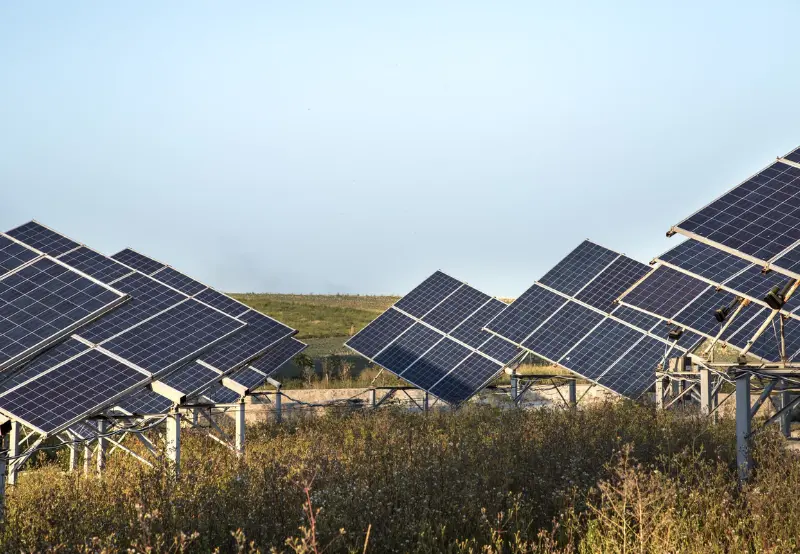
- Vast solar parks like Kadapa and Ananthapuramu Ultra Mega Solar Park
- Coastal wind energy projects
However, grid congestion and curtailment have been recurring issues. With this BESS tender, AP aims to ensure renewable power doesn’t go to waste and is available on demand.
🏢 Role of APTRANSCO in Driving Change
APTRANSCO, the transmission backbone of the state, has taken a visionary step with this tender. Its goals:
- Enhance grid stability
- Prevent blackouts and frequency drops
- Store solar power during afternoons and deliver it during evening peaks
- Encourage private sector players to bring in global technology
By issuing this tender, APTRANSCO is positioning Andhra Pradesh as a leader in energy storage adoption.
✅ Benefits of the BESS Tender
- Grid Flexibility: Smooths supply-demand mismatches.
- Reduced Curtailment: Solar and wind energy won’t go unused.
- Economic Efficiency: Cuts down costly reliance on coal-based peaker plants.
- Cleaner Environment: Significant reduction in CO₂ emissions.
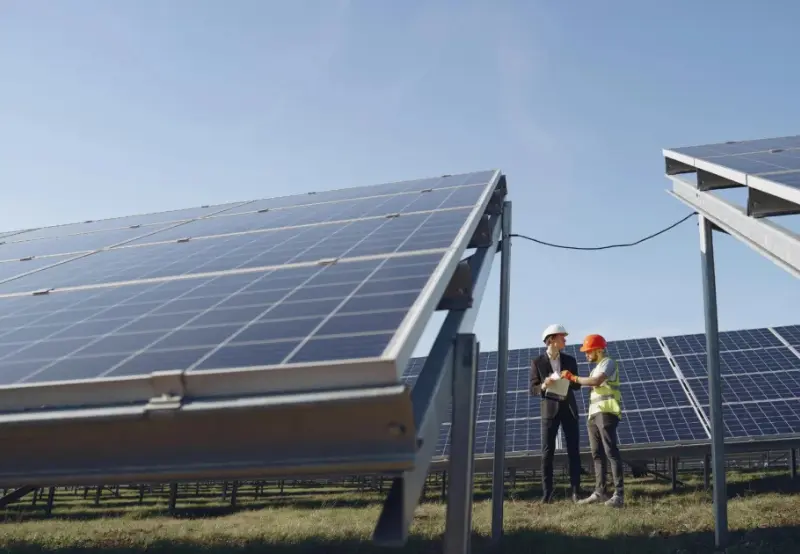
- Employment: Creates jobs in engineering, installation, and maintenance.
- Energy Security: Ensures uninterrupted power supply for industries and households.
⚠️ Challenges and Risks
While promising, the project faces hurdles:
- High upfront costs of BESS technology.
- Battery recycling infrastructure is underdeveloped in India.
- Regulatory framework for storage PPAs is evolving.
- Technology risks (safety, performance degradation).
These challenges can be mitigated through policy support, subsidies, and local manufacturing under India’s PLI (Production Linked Incentive) schemes.
🌐 Global Lessons for India
Andhra Pradesh can draw inspiration from global leaders in BESS:
- Australia: Hornsdale Power Reserve set benchmarks for fast response.
- USA: California leads with 10+ GW of storage planned by 2030.
- China: Scaling both Li-ion and flow batteries at massive scale.
India’s unique edge lies in lower renewable generation costs, making solar + BESS highly competitive compared to fossil fuels.
💰 Economic Impact and Job Creation
The Andhra Pradesh BESS Tender is expected to:
- Attract billions in private and international investment
- Create 10,000+ direct and indirect jobs
- Lower long-term electricity tariffs for consumers
- Stimulate battery manufacturing and recycling industries within India
This project isn’t just about clean energy—it’s an economic catalyst for the state.
🔮 Future Outlook
Looking ahead:
- Replication: Other Indian states like Gujarat, Maharashtra, and Tamil Nadu may issue similar tenders.
- Hybrid Projects: Integration with solar + wind + storage hubs.
- Longer Duration Storage: Flow batteries and green hydrogen storage could complement BESS.
- Local Manufacturing: India may emerge as a hub for battery cell production to reduce import reliance.
🌟 Conclusion
The Andhra Pradesh BESS Tender for 1,000 MW / 2,000 MWh represents a transformative moment in India’s clean energy journey. It demonstrates the state’s commitment to grid modernisation, renewable integration, and sustainable development.
By embracing large-scale battery storage, Andhra Pradesh is not only solving its local grid challenges but also setting a national benchmark for the future of energy storage in India.
This tender proves that the future of power is not just renewable—it is renewable, reliable, and resilient.
Read more :https://ecodigest.in/seci-bess-tender-andhra-pradesh/