
Angola EV Charging Stations plan revealed by Sonangol: over 100 charging stations to be built by 2028 to accelerate green transport and EV adoption in Africa.
📖 Table of Contents
- Introduction
- Angola’s EV Market: An Emerging Opportunity
- Sonangol’s Vision: Leading the Transition
- 100+ Charging Stations: A Strategic Move
- Why EV Infrastructure is Critical for Angola
- Challenges Angola Faces in the EV Shift
- How Angola Compares with Other African Nations
- Global EV Trends and Lessons for Angola
- Economic and Environmental Impact of EV Adoption
- Conclusion: Paving the Road to Sustainable Mobility
🔋 Introduction
The electric vehicle (EV) revolution is no longer confined to developed nations—Africa is joining the race, and Angola is positioning itself at the forefront. In a landmark announcement, Angola’s national oil and gas company, Sonangol, unveiled plans to roll out over 100 EV charging stations by 2028. This initiative is part of the country’s strategy to diversify its oil-based economy, decarbonise transportation, and boost sustainable development.
As Angola strives to balance its reliance on oil exports with global climate commitments, this ambitious step marks a turning point. The country is investing in clean transport infrastructure, laying the groundwork for electric mobility in a market that has long been dominated by petrol and diesel vehicles.
🚗 Angola’s EV Market: An Emerging Opportunity
Angola, the second-largest oil producer in Sub-Saharan Africa, has traditionally relied on hydrocarbons for economic stability. However, global trends are shifting fast, with a sharp focus on renewable energy, electric vehicles, and clean energy technologies. Angola is taking notice, with the government seeking to:
- Reduce fuel subsidies and diversify energy use.
- Integrate renewable energy sources into its national grid.
- Build an EV market to reduce urban pollution.
While Angola’s EV market is still nascent, infrastructure investments will unlock adoption. Industry analysts project EV penetration in Africa to grow by 30% annually over the next decade, with Angola poised to lead alongside South Africa and Kenya.
🌍 Sonangol’s Vision: Leading the Transition
Sonangol’s involvement is significant. Known as Angola’s state-owned oil giant, Sonangol is diversifying into renewable energy and mobility infrastructure. By leveraging its financial strength, logistical networks, and nationwide presence, Sonangol aims to:
- Install 100+ EV charging stations across major highways and cities.
- Partner with international EV charging solution providers.
- Encourage local automotive distributors to import affordable EV models.
- Support Angola’s National Development Plan 2050, which prioritises sustainable transportation.
This pivot not only strengthens Angola’s economy but also positions Sonangol as a leader in Africa’s green energy future.
⚡ 100+ Charging Stations: A Strategic Move
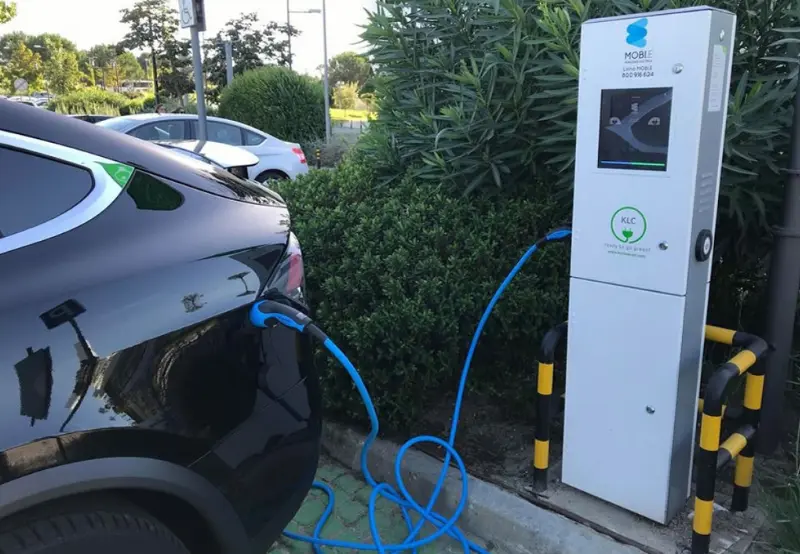
The roll-out of over 100 EV charging stations by 2028 will provide a backbone for EV adoption. The plan includes:
- Fast-charging hubs along Angola’s major highways, enabling long-distance travel.
- Urban charging stations in Luanda and other key cities.
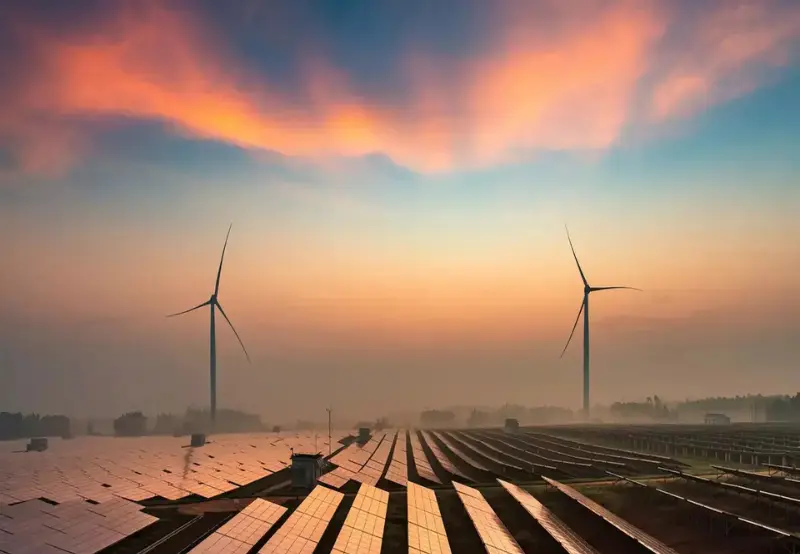
- Integration with renewable energy sources, particularly solar and hydropower.
- Smart payment systems and real-time tracking for users.
With this infrastructure, Angola aims to reduce “range anxiety”—one of the biggest barriers to EV adoption in developing markets.
🔑 Why EV Infrastructure is Critical for Angola
Angola’s EV strategy is not only about modernising transport; it addresses critical issues:
- Reducing Oil Dependence: By promoting EV adoption, Angola can reduce local fuel demand and increase oil exports.
- Cutting Emissions: Transport is one of Angola’s top contributors to carbon emissions; EVs offer a cleaner solution.
- Boosting Renewable Integration: Angola’s strong hydropower potential (accounting for 60% of its power) complements EV charging infrastructure.
- Creating Jobs: EV infrastructure development creates opportunities in construction, maintenance, and technology services.
🚧 Challenges Angola Faces in the EV Shift
Transitioning to electric mobility in Angola comes with unique hurdles:
- High EV Prices: Imported EVs remain costly due to taxes and shipping.
- Limited Charging Network: Until 2028, EV users will face limited charging options.
- Energy Access Gaps: Around 40% of Angola’s population lacks reliable electricity access; grid improvements are essential.
- Consumer Awareness: Public education is needed to promote EV benefits.
To address these issues, Sonangol plans partnerships with international donors and private sector players to accelerate adoption.
🌐 How Angola Compares with Other African Nations
Several African countries are already moving ahead with EV adoption:
- Kenya has established a strong EV startup ecosystem with locally assembled electric motorcycles.
- South Africa is investing heavily in EV assembly plants and charging networks.
- Rwanda has introduced tax incentives for EV imports.
Angola’s investment in 100+ charging stations positions it as a regional leader in large-scale EV infrastructure deployment.
🔋 Global EV Trends and Lessons for Angola
Global EV adoption is booming, with 14 million electric vehicles sold in 2023 alone, according to the International Energy Agency (IEA). Europe, China, and the United States lead in EV infrastructure, offering lessons Angola can adopt:
- Standardisation of Charging Ports: Helps make EVs interoperable across brands.
- Integration of Renewable Power: Reduces reliance on fossil fuels for charging stations.
- Public-Private Partnerships: Accelerates deployment while reducing government expenditure.
Angola’s EV rollout aligns with global net-zero strategies, showcasing the country’s ambition to participate in the clean energy revolution.
🌱 Economic and Environmental Impact of EV Adoption
The environmental and economic benefits of Angola’s EV plan are profound:
- Carbon Reduction: Angola can cut over 2 million tonnes of CO₂ annually by 2030 if EV adoption scales.
- Improved Air Quality: Lower air pollution means healthier urban populations.
- Economic Growth: A robust EV sector creates jobs in charging station manufacturing, maintenance, and tech development.
- Investment Attraction: Angola’s commitment will attract green financing and foreign direct investment (FDI).
This transformation could turn Angola into a clean mobility hub for Southern Africa.
Conclusion: Paving the Road to Sustainable Mobility
The announcement of 100+ EV charging stations in Angola by 2028 is more than an infrastructure upgrade—it’s a statement of intent. Angola is ready to transition from a petroleum-reliant economy to a clean energy leader in Africa.
Sonangol’s initiative demonstrates that even oil-producing nations can drive sustainability through vision, investment, and innovation. If executed successfully, Angola’s plan will inspire similar projects across Africa, helping the continent leapfrog into a future of clean, affordable, and reliable transport.