
Coal India announces a 3000 MW solar EPC tender across multiple states, marking a strong shift towards renewable energy. Learn how this project supports India’s 500 GW target.
📖 Table of Contents
- Introduction
- Overview of the Coal India 3,000 MW Solar Tender
- States Involved in the Project
- Coal India’s Green Transition Strategy
- Why This Solar Tender is a Game-Changer
- India’s Ambitious Renewable Energy Goals
- Opportunities for EPC Contractors and Investors
- The Shift from Coal to Solar
- Challenges in Execution
- Global Context: India’s Place in the Clean Energy Race
- The Road Ahead for Coal India
- Conclusion
Introduction
The announcement of the Coal India 3,000 MW Solar Tender marks a historic turning point in India’s energy journey. Traditionally known as the world’s largest coal producer, Coal India Limited (CIL) is taking bold steps to diversify into renewable energy and reduce its carbon footprint. The new tender, floated in August 2025, aims to establish 3,000 MW of grid-connected solar power capacity across multiple Indian states, with bids due by mid-September 2025.
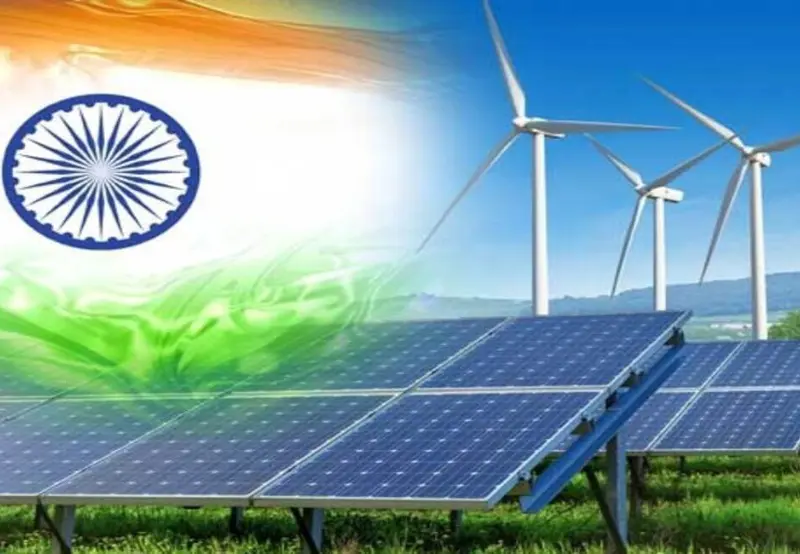
This strategic move aligns with India’s national goal of reaching 500 GW of non-fossil fuel capacity by 2030, and signals a powerful message: even coal giants are embracing the clean energy transition.
Overview of the Coal India 3,000 MW Solar Tender
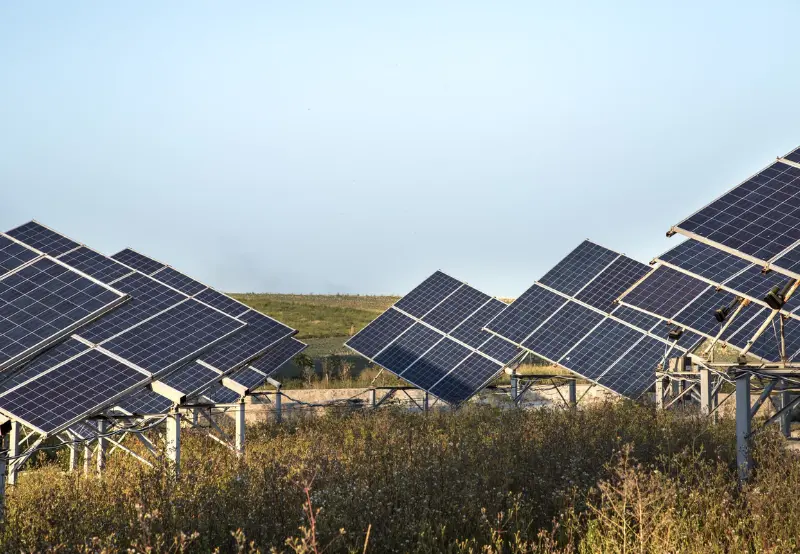
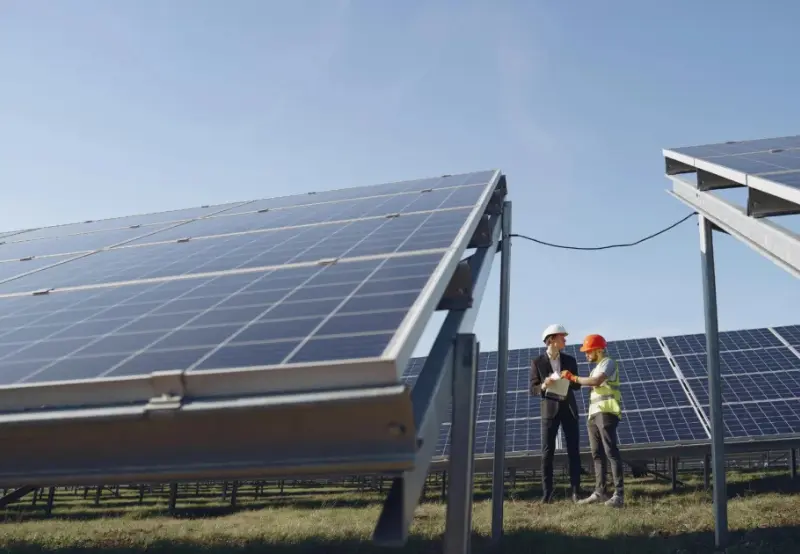
The tender focuses on developing large-scale, utility-grade solar projects across Andhra Pradesh, Tamil Nadu, Karnataka, Rajasthan, and Madhya Pradesh. It has been issued on an Engineering, Procurement, and Construction (EPC) basis, meaning the selected contractors will be responsible for designing, procuring, and building these massive solar farms, ensuring they are grid-ready.
Coal India has set an aggressive timeline to finalise bids and begin work by the end of 2025, signalling the company’s seriousness about contributing to India’s renewable energy mix.
States Involved in the Project
This mega-project will be spread across five key states, each chosen for its high solar potential and existing infrastructure support:
- Andhra Pradesh: Known for its renewable-friendly policies and high solar irradiation.
- Tamil Nadu: A renewable energy leader with a strong grid network.
- Karnataka: Home to the world’s largest solar park at Pavagada.
- Rajasthan: Offers vast land availability and strong sunlight exposure.
- Madhya Pradesh: Emerging as a solar hub with upcoming hybrid projects.
By diversifying project sites, Coal India is mitigating risks associated with land acquisition, grid connectivity, and climate variability.
Coal India’s Green Transition Strategy
Coal India has long been a cornerstone of India’s power sector, supplying over 80% of the nation’s coal demand. However, in response to global climate commitments and India’s own decarbonisation goals, CIL has been ramping up investments in clean energy.
The company plans to invest nearly ₹60,000 crore (~$7.2 billion) in renewable energy projects by 2030. This solar tender is part of its strategy to:
- Diversify revenue streams
- Reduce dependence on thermal power
- Position itself as a leader in India’s energy transition
Why This Solar Tender is a Game-Changer
This tender isn’t just a step; it’s a leap forward for India’s energy future. Here’s why it matters:
- Scale: At 3,000 MW, this is one of the largest solar tenders issued by a single public-sector company in India.
- Symbolism: A coal giant entering renewables shows serious climate commitment.
- Economic Impact: Expected to create over 10,000 jobs in construction, engineering, and operations.
- Grid Strengthening: Projects will boost solar integration in high-demand states, reducing fossil fuel dependence.
🇮🇳 India’s Ambitious Renewable Energy Goals
India is on track to become a global clean energy powerhouse, targeting:
- 500 GW of non-fossil fuel capacity by 2030
- 50% renewable contribution to power generation
- Net-zero emissions by 2070
The Coal India 3,000 MW Solar Tender is perfectly aligned with these goals and positions the country to compete with leaders like China, the US, and the EU in renewable energy adoption.
Opportunities for EPC Contractors and Investors
For engineering and construction firms, this tender offers a massive business opportunity. It signals:
- A strong government-backed project with assured funding.
- Long-term potential for private investors to partner with public entities.
- Market expansion for solar component suppliers, such as module, inverter, and BESS manufacturers.
This project is expected to attract both domestic and international EPC firms, boosting India’s supply chain ecosystem.
The Shift from Coal to Solar
Coal India’s entry into large-scale renewables reflects a broader shift in India’s energy mix. Despite being a coal-rich nation, India recognises that fossil fuel dependence is unsustainable in the long term due to:
- Rising import costs for coal and oil.
- Increasing pressure to meet COP28 climate commitments.
- The need for energy security and grid decarbonisation.
Challenges in Execution
While this tender is a milestone, implementing 3,000 MW of capacity will face hurdles, including:
- Land acquisition issues, particularly in densely populated states.
- Grid connectivity challenges in remote regions.
- Supply chain pressures, especially for solar panels and batteries.
- Ensuring timely financing and regulatory approvals.
However, Coal India’s experience in large-scale projects and strong government support offer optimism for smooth execution.
Global Context: India’s Place in the Clean Energy Race
Globally, India is now the third-largest solar power market, behind only China and the US. With large tenders like this, India is:
- Strengthening its case as a renewable manufacturing hub.
- Reducing its dependency on imported fossil fuels.
- Offering lessons for other developing countries transitioning away from coal.
The Road Ahead for Coal India
Coal India aims to transform from a coal-dominated enterprise to a diversified energy company by 2030. In addition to this solar project, it plans:
- A pipeline of 10 GW of renewable capacity.
- Entry into battery energy storage systems (BESS).
- Partnerships with leading global renewable players.
Conclusion
The Coal India 3,000 MW Solar Tender represents far more than a new project; it’s a visionary leap towards a cleaner, greener, and more self-sufficient India. By leveraging its scale, resources, and expertise, Coal India is positioning itself as a key player in the country’s renewable revolution.
This landmark tender demonstrates that even the most traditional energy giants can pivot towards sustainability while creating economic value, jobs, and technological progress.
As the deadline for bids approaches, all eyes are on Coal India to deliver a game-changing project that could redefine India’s energy future.
🔗 Related Reading : GST Slashed to 5% on Solar Equipment in India: 7 Big Impacts on the Clean Energy Market