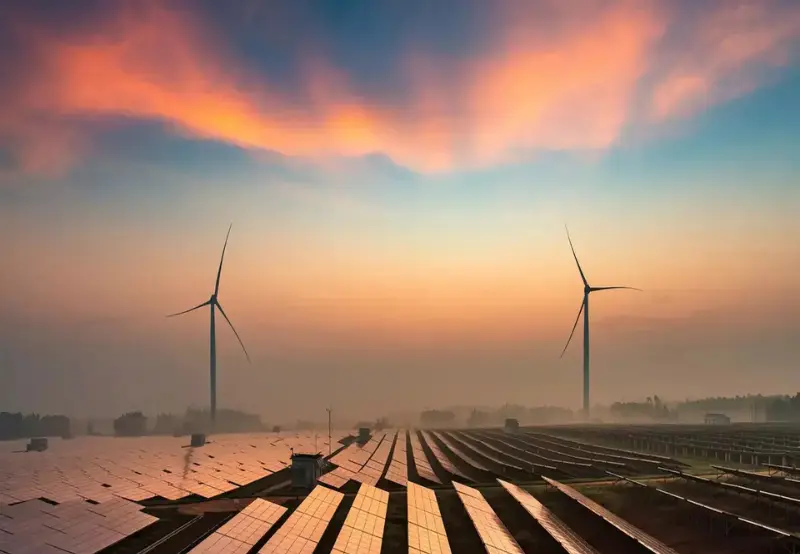
Discover how Madhya Pradesh’s 600 MW solar-plus-storage project achieved record-low tariffs of ₹2.70/unit, marking a new era of affordable and reliable renewable power in India.
Introduction: Why the MP Solar-Plus-Storage Auction Matters
The Madhya Pradesh Solar-Plus-Storage Auction 2025 has created ripples across the renewable energy sector in India. By delivering tariffs as low as ₹2.70 per unit, this project signals that integrated solar and storage systems are becoming not only technically feasible but also commercially competitive.
This development represents a critical step towards India’s goal of 500 GW renewable energy capacity by 2030, showcasing how storage is steadily becoming part of mainstream energy planning.
Project Overview: Capacity, Storage, and Tariff Achievements
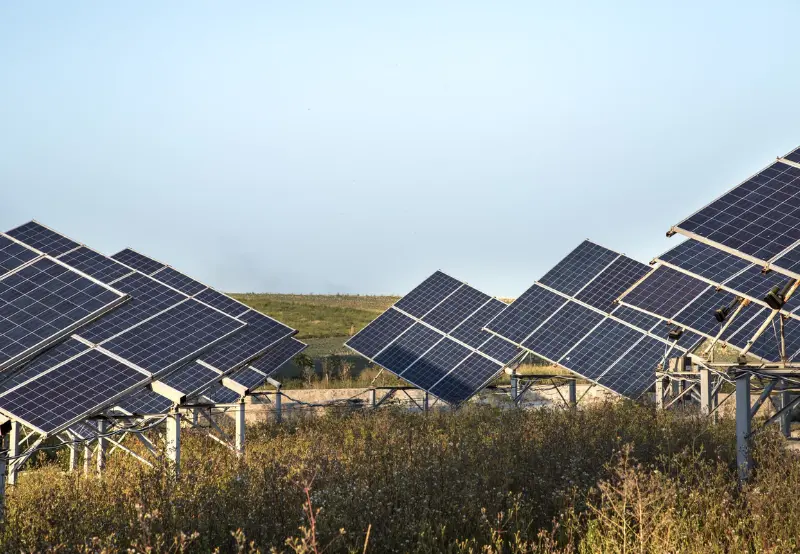
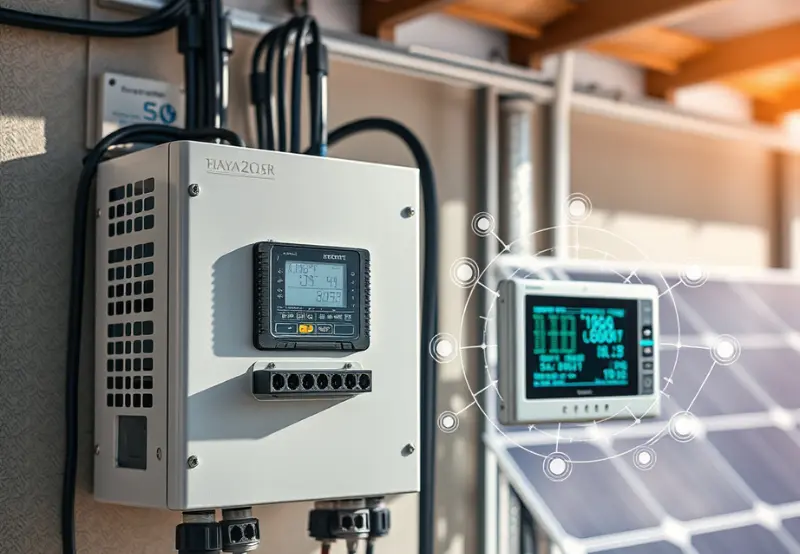
The auction, overseen by Rewa Ultra Mega Solar Ltd (RUMSL) in collaboration with the Madhya Pradesh government, awarded contracts for a project of 600 MW solar capacity paired with 880 MWh of battery energy storage systems (BESS).
- Capacity: 600 MW solar
- Storage: 880 MWh BESS
- Lowest Tariff Achieved: ~₹2.70 per kWh
Such low tariffs were once unimaginable for storage-backed projects, but Madhya Pradesh has just proved otherwise.
Why Storage-Integrated Solar is a Game-Changer
While standalone solar is already the cheapest source of new power in India, the challenge lies in its intermittency—the sun does not shine 24/7.
By integrating battery storage with large-scale solar plants, this project ensures:
- Round-the-clock supply reliability
- Peak-hour power availability
- Grid stability and reduced curtailment
This auction is therefore more than just a pricing milestone—it is proof that solar-plus-storage is ready to compete with coal and other conventional sources in both cost and reliability.
Key Drivers Behind the Low Tariffs
- Falling Battery Costs
Lithium-ion battery prices have fallen by nearly 90% over the past decade, and India is benefiting from global supply chain efficiencies. - Competitive Bidding
With multiple strong players in the fray, aggressive bidding strategies helped push tariffs down. - Policy and Regulatory Support
State and central government policies, along with long-term power purchase agreements (PPAs), provided investor confidence. - Technological Advances
Improved storage technologies and smarter grid integration allowed for better cost optimisation.
Industry and Policy Impact
This auction is expected to reshape India’s renewable energy policy:
- For utilities: It sets a benchmark proving that large-scale storage is no longer prohibitively expensive.
- For investors: It demonstrates strong market appetite for advanced renewable projects.
- For policymakers: It provides evidence that India can move faster towards a renewables-plus-storage future, reducing dependency on fossil fuels.
It also puts pressure on other states to replicate Madhya Pradesh’s success and attract similar investments.
Global Perspective: India Leading the Way
Globally, solar-plus-storage projects are gaining momentum in the US, China, and Australia. However, India’s achievement of ₹2.70/unit stands out as one of the lowest tariffs worldwide for storage-backed solar power.
This strengthens India’s position as a global leader in renewable affordability, sending a strong signal to markets that developing economies can leapfrog into advanced clean energy solutions.
Future Outlook for Solar-Plus-Storage in India
India’s renewable roadmap aims for:
- 500 GW clean energy by 2030
- Energy storage capacity of ~160 GWh by 2030
With auctions like Madhya Pradesh’s setting new benchmarks, the commercialisation of storage-integrated renewables will only accelerate.
We can expect:
- More states launching solar-plus-storage tenders.
- Tariffs dropping further as domestic battery manufacturing ramps up under initiatives like PLI schemes.
- Increased participation from global energy giants, boosting competition and innovation.
For deeper insights into India’s clean energy growth, explore our Latest News
Final Thoughts
The Madhya Pradesh Solar-Plus-Storage Auction is not just another renewable energy project—it is a landmark in India’s energy transition. By delivering storage-backed solar power at tariffs once reserved for plain solar, it proves that India is ready to build a cleaner, more resilient, and more affordable energy future.
This is the beginning of a new chapter where solar-plus-storage becomes the norm, not the exception, reshaping India’s electricity market for decades to come.