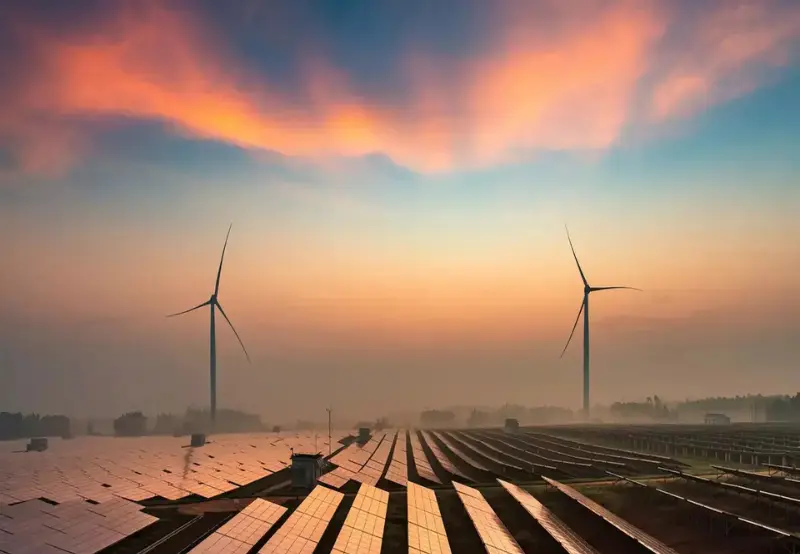
Sambhajinagar (Aurangabad) is fast becoming an EV manufacturing hub under the Delhi-Mumbai Industrial Corridor, attracting ₹71,000 crore in investments and creating thousands of jobs.
Introduction: The Rise of Sambhajinagar
Sambhajinagar, formerly known as Aurangabad, is rapidly establishing itself as one of India’s most promising EV manufacturing hubs. Nestled within the Aurangabad Industrial City (Auric)—a key node on the Delhi-Mumbai Industrial Corridor (DMIC)—the city has become a magnet for massive EV-related investments totalling nearly ₹71,000 crore.
This surge is not only reshaping the region’s industrial landscape but also positioning Maharashtra as a front-runner in India’s electric mobility revolution.
Why Aurangabad (Auric) is Emerging as an EV Hub
Several factors are fuelling Sambhajinagar’s transformation into an EV powerhouse:
- Strategic Location: Positioned along the DMIC, Sambhajinagar enjoys excellent connectivity to Mumbai, Pune, and other industrial clusters.
- Auric Smart Industrial City: As one of India’s first greenfield smart industrial cities, Auric offers world-class infrastructure for manufacturing.
- Policy Support: Both the Maharashtra government and the central government are offering incentives for EV manufacturers and battery producers.
- Skilled Workforce: The region is home to a growing pool of trained engineers, technicians, and industrial workers.
Together, these advantages make Sambhajinagar an ideal ecosystem for EV manufacturing.
Key Investments Driving the Transformation
According to recent reports, investments worth ₹71,000 crore have been committed to Sambhajinagar’s EV cluster. These span across:
- Electric Vehicle Assembly Units – Car and two-wheeler manufacturers setting up production bases.
- Battery Manufacturing Plants – Critical for India’s push towards domestic lithium-ion battery production.
- Auto Component Suppliers – Supplying motors, electronics, and lightweight materials for EVs.
- Research & Development Centres – Focused on innovation in charging infrastructure and EV design.
Such large-scale commitments mark Sambhajinagar as a serious contender against established auto hubs like Pune, Chennai, and Gurugram.
Delhi-Mumbai Industrial Corridor: A Catalyst for Growth
The Delhi-Mumbai Industrial Corridor (DMIC) is a multi-billion-dollar infrastructure project designed to develop smart cities and industrial zones across six states. Sambhajinagar’s inclusion in this corridor has been a game-changer.
- World-class logistics hubs reduce supply chain bottlenecks.
- Dedicated freight corridors enable faster transport of goods.
- Planned urban infrastructure supports both industrial and residential growth.
Thanks to the DMIC, Sambhajinagar is not just an industrial zone but a holistic ecosystem for sustainable growth.
Job Creation and Economic Opportunities
The ₹71,000 crore EV investment wave is expected to create tens of thousands of jobs in the region.
- Direct Employment: Skilled and semi-skilled workers in assembly lines, R&D labs, and production facilities.
- Indirect Employment: Logistics, infrastructure, and service industries will see significant growth.
- Local Economy Boost: Increased consumption, housing demand, and retail expansion.
This transformation has the potential to revive the socio-economic fabric of Marathwada, a region that has historically lagged behind in industrial development.
EV Manufacturing in India: Where Sambhajinagar Fits In
India’s EV ecosystem is expanding rapidly:
- The country aims for 30% EV penetration by 2030.
- Domestic battery manufacturing capacity is set to grow to over 100 GWh by 2030.
- Companies like Tata Motors, Ola Electric, and Mahindra are leading the charge.
Sambhajinagar’s rise as an EV manufacturing hub strengthens India’s ability to reduce imports, boost exports, and achieve self-reliance in green mobility.
Challenges Ahead for the Region
Despite the promising outlook, a few hurdles remain:
- Battery Supply Chains: India still relies on imports for critical minerals like lithium and cobalt.
- Infrastructure Readiness: Ensuring uninterrupted power supply and fast-track approvals.
- Skilling Workforce: Large-scale training is essential to meet industry demand.
Addressing these challenges will be vital to ensure that Sambhajinagar’s EV dream doesn’t stall.
The Road Ahead: Future Prospects
With its strategic positioning, strong investments, and policy backing, Sambhajinagar is on course to become a national hub for EV and battery manufacturing.
If successful, the city could:
- Export EVs and components worldwide.
- Lead in innovation with R&D partnerships.
- Drive India’s transition towards clean mobility at an accelerated pace.
For more insights into India’s clean energy and EV developments, visit EV News
Final Thoughts
The transformation of Sambhajinagar into an EV manufacturing hub is a historic milestone for Maharashtra and India. With ₹71,000 crore in committed investments, the region is poised to create jobs, attract global attention, and solidify India’s role in the future of sustainable mobility.
This is not just an industrial story—it’s about reshaping an entire region’s identity, making Sambhajinagar a symbol of India’s green industrial revolution.