
The India EV Market is now valued at ₹22 lakh crore. Discover 7 powerful trends driving electric and hydrogen mobility in India, as Union Minister Nitin Gadkari highlights hydrogen as the future fuel complementing EVs.
1. India’s EV Market at ₹22 Lakh Crore — A Milestone Moment
The India EV Market has reached an impressive valuation of ₹22 lakh crore, underlining the nation’s rapid progress towards sustainable transport. Electric vehicles are no longer a niche innovation but a central pillar of India’s mobility transformation.
Driven by falling battery prices, strong government incentives, and rising environmental awareness, India has become one of the fastest-growing EV markets in the world. Analysts estimate that EV adoption could account for nearly 40 per cent of all new vehicle sales by 2030, creating millions of green jobs and slashing carbon emissions.
2. Minister Nitin Gadkari’s Hydrogen Vision
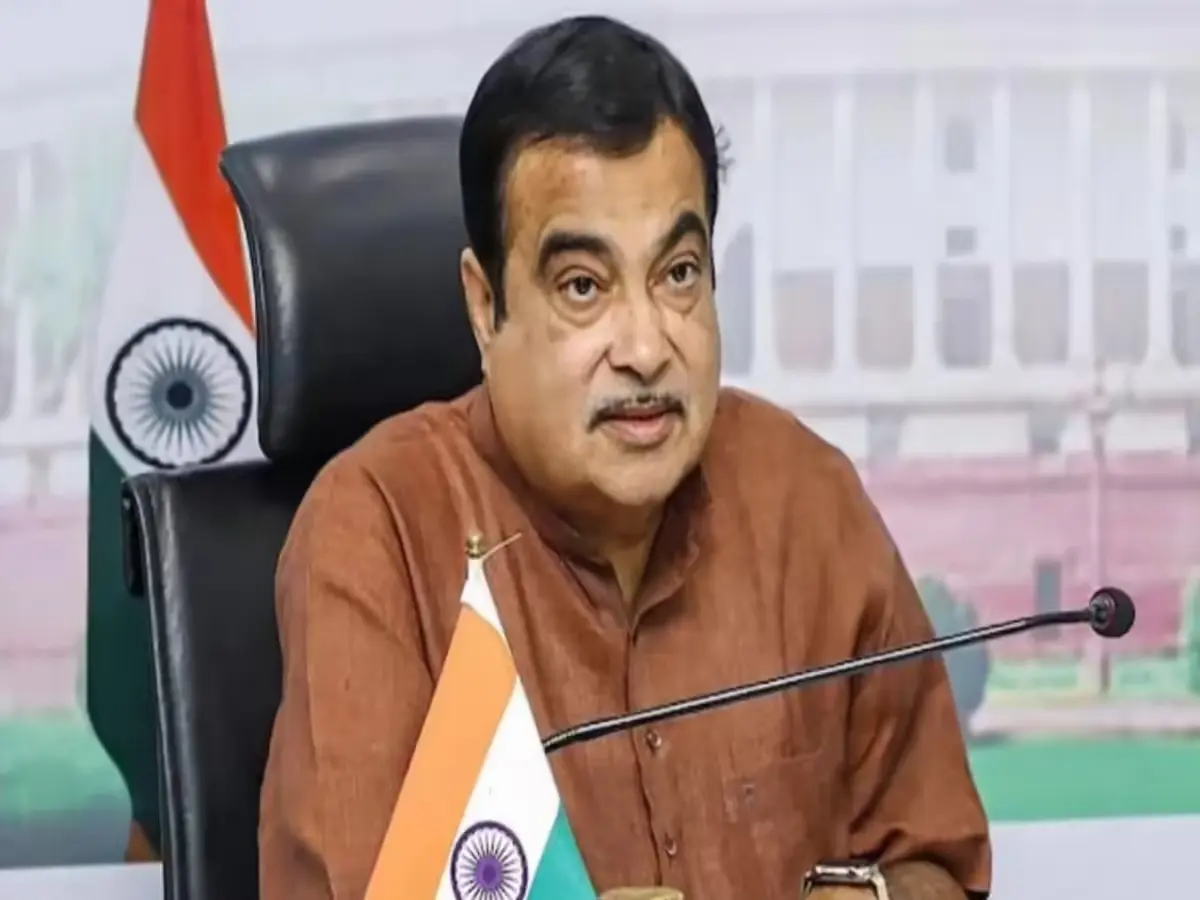
Union Minister Nitin Gadkari has consistently advocated for an energy-diverse future — and at a recent event, he reiterated that hydrogen fuel will complement EVs rather than compete with them.
According to him, hydrogen-powered vehicles, especially for heavy-duty transport, can bridge the gaps where battery-electric models struggle — such as long-distance haulage, industrial logistics, and fleet operations. This dual-fuel strategy could make India a global leader in next-generation green mobility.
3. The Factors Powering India’s EV Boom
Several structural and market factors explain why the India EV Market is thriving:
- Government Incentives: Schemes like FAME II and PLI for ACC batteries are catalysing adoption.
- Corporate Investments: Automakers such as Tata Motors, Mahindra, Ola Electric and BYD India are investing billions in EV R&D.
- Urban Adoption: Metro cities like Delhi, Mumbai and Hyderabad are expanding charging networks and EV-friendly policies.
- Battery Innovation: Emerging solid-state and sodium-ion technologies promise better range and safety.
4. Policy Support and Local Manufacturing Push
To make the India EV Market self-reliant, the government is promoting domestic manufacturing of EV batteries, motors and power electronics.
The Production Linked Incentive (PLI) scheme for Advanced Chemistry Cells (ACC) and the Make in India campaign are encouraging companies to localise supply chains. Meanwhile, states like Tamil Nadu, Gujarat and Uttar Pradesh have launched dedicated EV policies to attract foreign investment and create manufacturing hubs.
5. Why Hydrogen Complements Electric Mobility
Hydrogen fuel technology has immense potential for India’s decarbonisation strategy. While EVs are ideal for short and medium range transport, hydrogen fuel cells can power heavy vehicles, ships and industrial equipment with zero emissions.
Nitin Gadkari envisions a future where hydrogen and electric vehicles coexist, sharing infrastructure and technological innovation. This balanced approach will enhance energy security, reduce dependence on imported lithium, and diversify India’s clean mobility options.
6. Challenges Ahead for India’s Clean Transport
Despite its valuation, the India EV Market still faces key obstacles:
- Charging Infrastructure Gaps: Rural and inter-city areas lack fast-charging networks.
- High Upfront Costs: Although TCO is declining, purchase prices remain steep for many consumers.
- Battery Supply Risks: Dependence on imports for lithium and rare earth materials remains a vulnerability.
Addressing these challenges will require collaboration between government, industry and research institutes to build a robust and inclusive ecosystem.
7. The Road Ahead — Building a Unified Green Ecosystem
India’s journey towards an integrated electric and hydrogen mobility system is well underway. The synergy between EVs and hydrogen will not only cut emissions but also create industrial opportunities in battery manufacturing, green hydrogen production and renewable energy deployment.
If India maintains its current pace, the India EV Market could surpass ₹30 lakh crore by 2030 — a clear signal that the nation’s sustainable mobility future is no longer a dream but a rapidly unfolding reality.
Conclusion
The rise of the India EV Market, now worth ₹22 lakh crore, marks a defining moment in India’s energy transition. Nitin Gadkari’s emphasis on hydrogen as a complementary fuel strengthens the vision of a multi-fuel, low-carbon future. Together, EVs and hydrogen are set to redefine India’s mobility landscape — one that is cleaner, smarter and self-reliant.
For More EV Insights, Visit; EV News