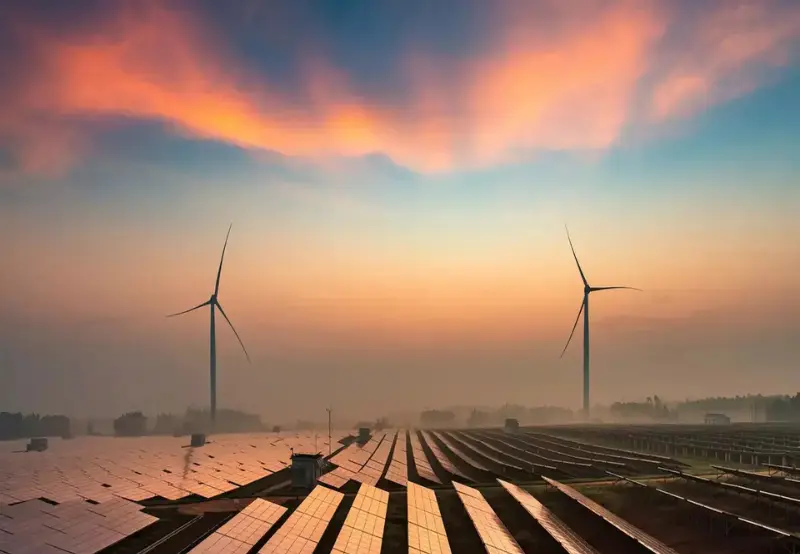
India’s solar waste crisis is escalating, with over 600 kilotonnes expected by 2030. Discover how urgent recycling action, as urged by the Central Electricity Authority (CEA), is key to a cleaner, greener future.
1. Understanding India’s Solar Waste Crisis
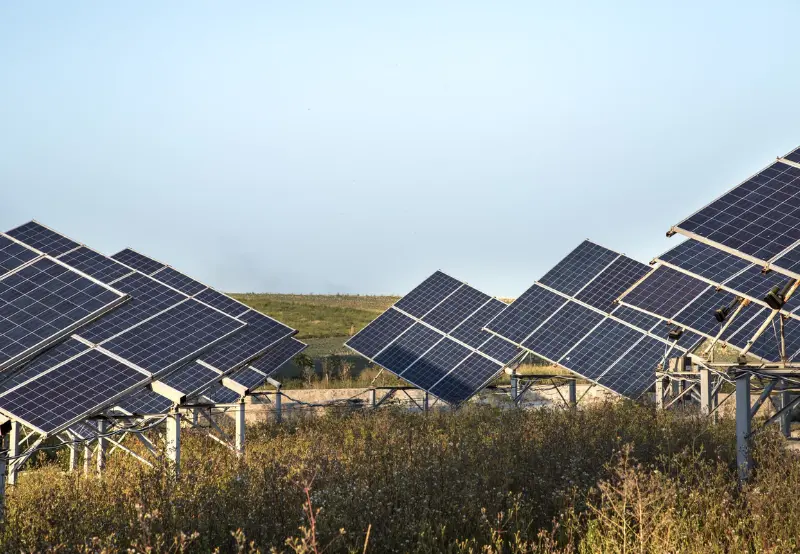
India’s solar waste crisis is becoming an urgent environmental and policy challenge. According to estimates by the Central Electricity Authority (CEA), the country’s solar photovoltaic (PV) waste — primarily consisting of end-of-life panels — is projected to reach over 600 kilotonnes by 2030 and a staggering 19,000 kilotonnes by 2050, up from approximately 100 kilotonnes in 2023.
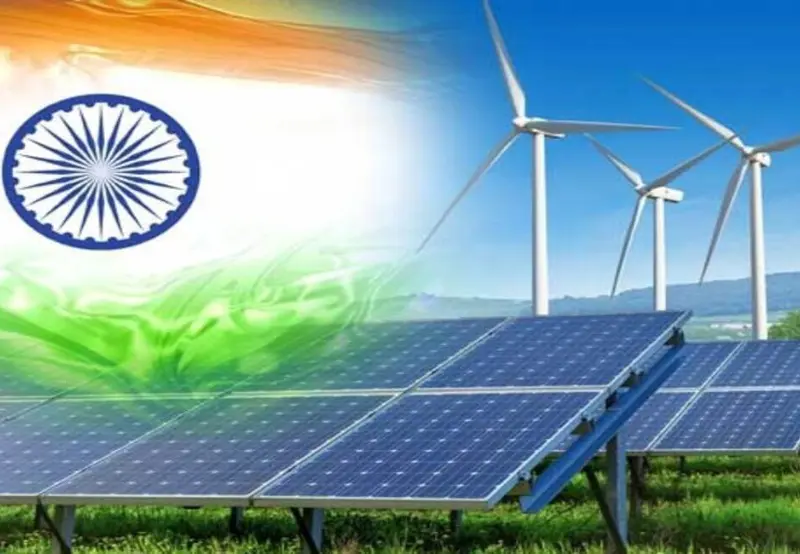
This exponential rise mirrors India’s rapid solar expansion under initiatives like the National Solar Mission, which aims to make solar energy a key pillar of India’s green transition. However, the end-of-life management of these panels remains a grey area that needs urgent attention.
2. Why the Solar Boom Is Creating a Waste Challenge
India currently stands as the world’s third-largest solar power market, with more than 80 GW of installed capacity. As the country races toward achieving 500 GW of renewable capacity by 2030, millions of solar panels are being deployed across rooftops, deserts, and agricultural lands.
But every solar panel has a finite life — typically 20–25 years. Panels installed in the early 2000s are now reaching their end of life, creating what experts call the “solar waste wave.”
Most panels contain glass, aluminium, silicon, and trace metals like silver and cadmium — materials that, if improperly disposed of, can pose serious environmental risks. Without a proper recycling infrastructure, these panels often end up in landfills, contributing to toxic leachates and long-term soil and water pollution.
3. CEA’s Call for a National Solar Recycling Framework
Recognising the looming challenge, the CEA has urged both the Ministry of New and Renewable Energy (MNRE) and state regulators to develop a comprehensive solar waste recycling policy.
Key proposals include:
- Mandating solar waste recycling under the Extended Producer Responsibility (EPR) model.
- Setting up authorised recycling facilities in every major solar-producing state.
- Encouraging public-private partnerships (PPPs) to create a circular economy around solar waste.
- Promoting research and innovation in cost-efficient solar recycling technologies.
The CEA’s push underscores that sustainability in renewable energy must not stop at generation—it must extend to end-of-life management as well.
4. The Environmental Impact of Solar Panel Waste
Discarded solar panels are often misunderstood as “green waste.” In reality, they can cause significant environmental harm if mishandled.
Some panels contain lead, cadmium, and other toxic materials that can contaminate ecosystems. Moreover, the large-scale dumping of panels leads to loss of recoverable materials — metals and glass that could otherwise be reused in manufacturing.
Studies estimate that 95% of materials in a solar panel can be recovered through recycling. This includes valuable components such as silver, copper, and silicon, which can be repurposed to build new panels — significantly reducing manufacturing emissions and import dependence.
5. Lessons from Global Solar Recycling Practices
Countries like Japan, Germany, and the United States have already established dedicated frameworks for solar waste management.
- Japan mandates strict collection and recycling standards for all PV systems.
- Germany’s PV Cycle Programme ensures 90–95% material recovery from panels.
- The US has introduced state-level EPR laws in states like Washington and California.
India can draw from these models to design an integrated recycling ecosystem — one that aligns environmental responsibility with economic opportunity.
6. The Road Ahead: Sustainable Solar Energy in India
The solar waste problem, while daunting, offers an opportunity to develop a new green industry focused on recycling and circular economy principles.
To achieve this, India needs:
- Clear policy mandates defining recycling obligations for producers and developers.
- Incentives for recyclers and technology innovators.
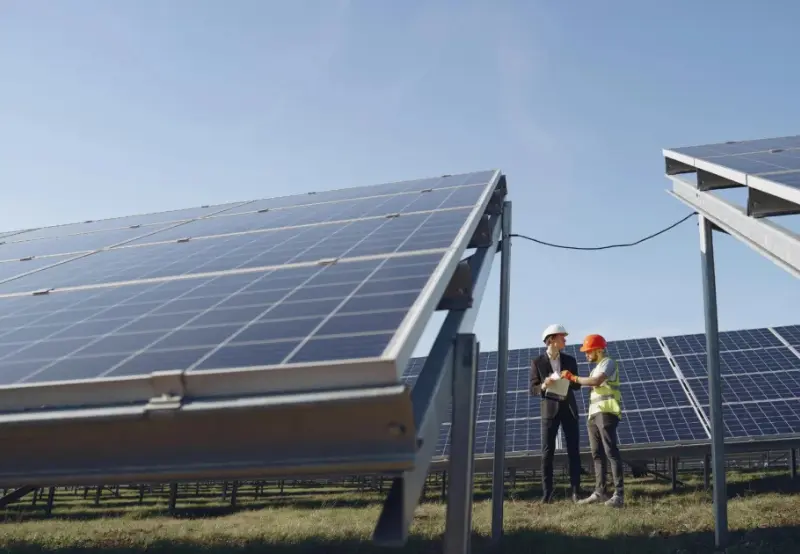
- Awareness programmes for solar EPC contractors and consumers about responsible disposal.
- Investment in research for high-efficiency material recovery.
A sustainable solar ecosystem will not only reduce environmental risks but also create jobs and boost domestic manufacturing by recovering critical materials for reuse.
7. Conclusion
The rise of renewable energy must go hand-in-hand with responsible waste management. As India’s solar waste crisis grows, it becomes clear that the green revolution cannot rely on short-term goals alone.
The CEA’s call for urgent recycling action is a timely reminder that true sustainability extends beyond clean energy generation — it includes how we manage its by-products.
By building a robust, transparent, and circular solar recycling framework, India can not only safeguard its environment but also lead the world in sustainable solar innovation. The challenge is immense, but so is the opportunity — and now is the moment to act.
For more Solar News, Visit; For more Solar News, Visit; Solar News