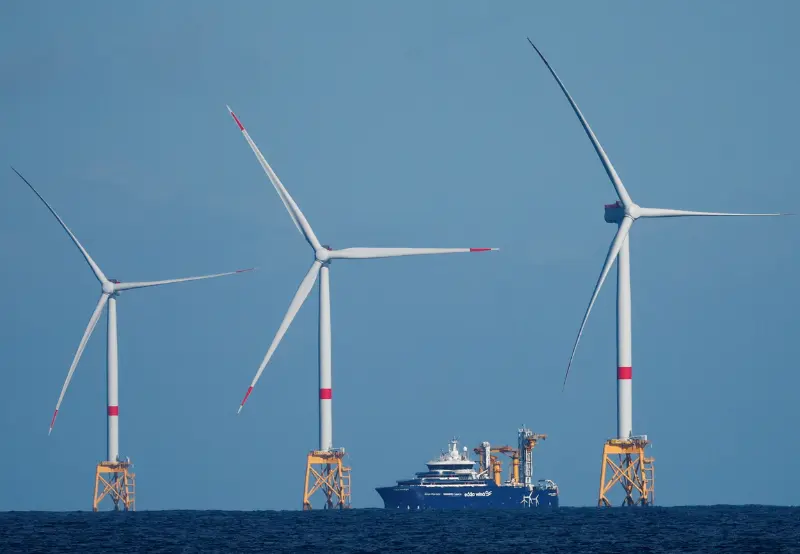

Canada launches its first offshore wind tender in Nova Scotia, opening a major new chapter in marine renewables. Discover the scope, significance and global implications of this landmark move.
Introduction
The winds of change are blowing off Canada’s Atlantic coast. With the release of its first-ever major offshore wind tender, the Canadian federal and provincial governments—through the Canada‑Nova Scotia Offshore Energy Regulator (CNSOER)—have triggered a potentially transformative shift in the country’s clean-energy portfolio. This move, under the call for information and pre-qualification process NS25-1R, marks Canada’s formal entry into large-scale offshore wind development.
In doing so, Canada signals that its marine renewables ambitions are moving from pilot phases to commercial reality. The implications extend far beyond Nova Scotia: this tender could influence supply-chains, regional development, green hydrogen markets and North America’s broader energy transition.
What the Tender Entails
The latest tender package includes two key elements:
- A Call for Information (CFI) NS25-1R, inviting industry feedback on leasing, grid connection and supply-chain issues.
- A Pre-qualification process NS25-1R, allowing bidders to signal interest and obtain eligibility before competitive phases begin.
The geographic focus is Canada’s Atlantic coast—particularly Nova Scotia’s shallow waters and favourable wind conditions. Once projects are selected, winning developers will secure seabed leasing rights, grid-connection support and phased authorisation.
Among the advantages cited: strong offshore wind speeds, existing port and industrial infrastructure, and proximity to eastern Canadian markets. One analyst termed the opportunity “golden” for building a 40 GW offshore sector.
Why It Matters
1. Scaling Canada’s Renewables
Canada already boasts abundant on-shore wind and solar, but offshore wind has remained under-exploited. With this tender, the government acknowledges that marine renewables may become a pillar of its net-zero strategy. Regions like Nova Scotia, with ample wind resource and access to U.S. East Coast markets, may lead the way.
2. Supply-Chain and Job Creation
Large-scale offshore wind demands substantial manufacturing—turbine components, foundations, cables, installation vessels, ports and heavy-engineering skills. Canada’s labour market and ship-yards are well placed to capture such jobs and investment, particularly in Atlantic provinces.
3. Export and North-American Linkages
Positioned near major U.S. ports, offshore wind projects in Canada could serve export markets too—including transmission to New England or green hydrogen production for export. Indeed, some commentators view this as a partial response to the United States’ faltering offshore wind pipeline.
4. Unlocking Green Hydrogen & Storage
Offshore wind is particularly well suited to feed green hydrogen facilities. Excess power from turbines can drive electrolysers located on-shore or offshore platforms, boosting flexibility, export potential and decarbonising hard-to-abate sectors.
What the Process Looks Like
The tender will proceed through phases:
- Industry input under the Call for Information to refine leasing terms, supply-chain rules, grid frameworks and environmental requirements.
- Pre-qualification of bidders who meet technical, financial and local content criteria.
- Competitive bidding for lease blocks (likely award based on cost, local benefit, environmental criteria).
- Project development, authorisation and construction, including environmental assessments and community engagement.
The regulator emphasises that award of seabed rights is only the beginning; developers must still secure grid connection, financing and satisfy provincial/federal approvals. The phased approach is designed to de-risk investment and build capacity gradually.
Key Challenges Ahead
Despite the strong promise, several obstacles loom:
- Financing and Cost Pressure: Offshore wind remains capital-intensive. Rising interest rates globally may push up project costs.
- Supply-Chain Constraints: Turbine fabrication, foundations, installation vessels are in global shortage, which may delay timelines or inflate costs.
- Grid Integration and Transmission: Delivering power from offshore farms into on-land grids (especially in Atlantic Canada) requires new cables, grid reinforcements and coordination.
- Local Content and Indigenous Engagement: Provinces and Indigenous rights holders will demand participation, benefit sharing and jobs. Ensuring meaningful local content will be essential.
- Environmental and Marine Permitting: Offshore projects face complex permitting—wildlife, fisheries, seabed disturbance and community concerns must be managed.
Implications for Canada’s Energy & Industrial Strategy
This tender is more than a single project—it reflects a strategic pivot: Canada aiming to become a global player in offshore wind. Key implications include:
- “Make in Canada” momentum: Encouraging domestic manufacturing and supply-chain localisation for marine-renewables.
- Export opportunities: Not just electricity, but green hydrogen, machinery and services could become Canadian exports.
- Decarbonising industry: Offshore wind can power demanding sectors (mining, heavy industry) in Atlantic Canada and beyond.
- Inclusive growth: The Atlantic provinces stand to gain high-quality jobs, port revitalisation and regional economic diversification.
What This Means Globally
As Canada enters the offshore wind arena, global clean-energy watchers see several broader ripple effects:
- Competition intensifies: Developers now view Canada as an alternative or complement to Europe and the U.S. for offshore wind projects.
- North-American clean-energy cluster: With shared infrastructure and markets, a trans-Atlantic offshore renewables corridor may emerge.
- Green-steel & hydrogen intersections: Offshore wind plus hydrogen plus heavy industry creates a new industrial axis in the Atlantic region.
- Lessons for emerging markets: Countries with coastlines and wind resource may adopt the Canada model—leasing zones, regulated process, local-benefit obligations.
Future Outlook
If all goes well, Canada could auction its first offshore wind farms in the coming years. Projects may be in the gigawatt-scale within the next decade, shifting supply-curves downward and pushing offshore wind from niche to mainstream in the Americas.
Observers will watch for:
- Which companies win early leases and their cost per megawatt-hour.
- Progress in associated infrastructure—ports, cables, manufacturing.
- Synergies with hydrogen production, storage and export frameworks.
- How federal, provincial and Indigenous partners align on regulation, ownership and benefits.
Conclusion
The launch of the Canada offshore wind tender in Nova Scotia marks a pivotal moment for clean energy in North America. By formally opening large-scale offshore wind development, Canada is signalling its ambitions to lead in marine renewables, industrial investment and decarbonisation.
While challenges remain—costs, grid integration, supply-chain scaling—the potential rewards are vast: cleaner power, new industries, export growth and regional revitalisation. For stakeholders in renewables, energy policy and manufacturing, this tender offers a compelling entry point into Canada’s clean-energy future.
The ocean offshore holds not just wind, but opportunity—and Canada’s tide is turning accordingly.
For more updates, Visit; Tender/Grants