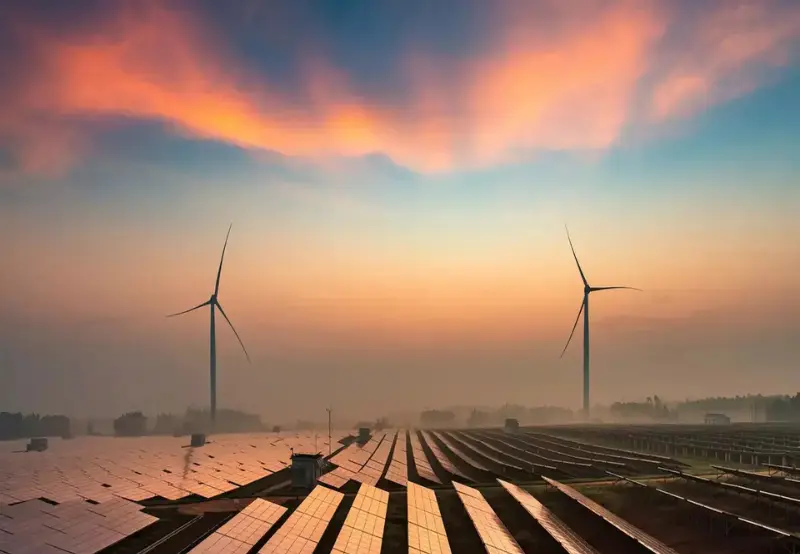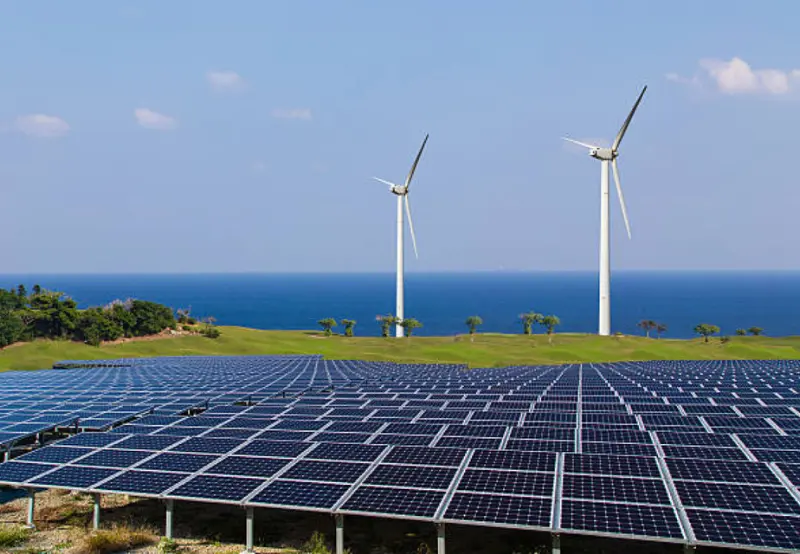

India has issued 3.6 GW of new renewable energy tenders in September 2025, reinforcing its commitment to clean power expansion. Explore the details, implications and what it means for India’s energy transition.
Introduction
India is accelerating its clean-energy ambitions with the issuance of 3.6 GW (3,600 MW) of renewable-energy tenders in September 2025. According to data from JMK Research & Analytics, the tenders span solar and wind projects and signal renewed momentum in utility-scale renewable procurement.
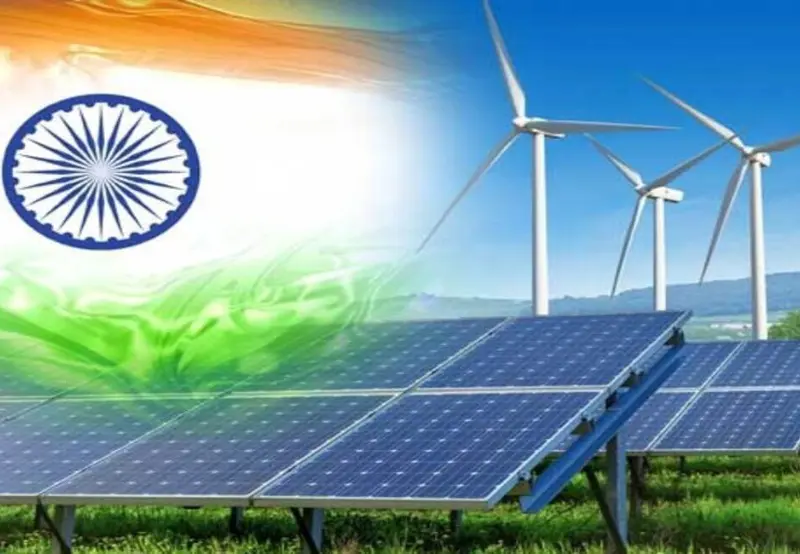
This wave of tendering comes at a crucial time as India navigates the transition from fossil fuels to a cleaner power mix, with targets that include achieving 500 GW of non-fossil fuel capacity by 2030.
Breakdown of the Tenders
According to the report:
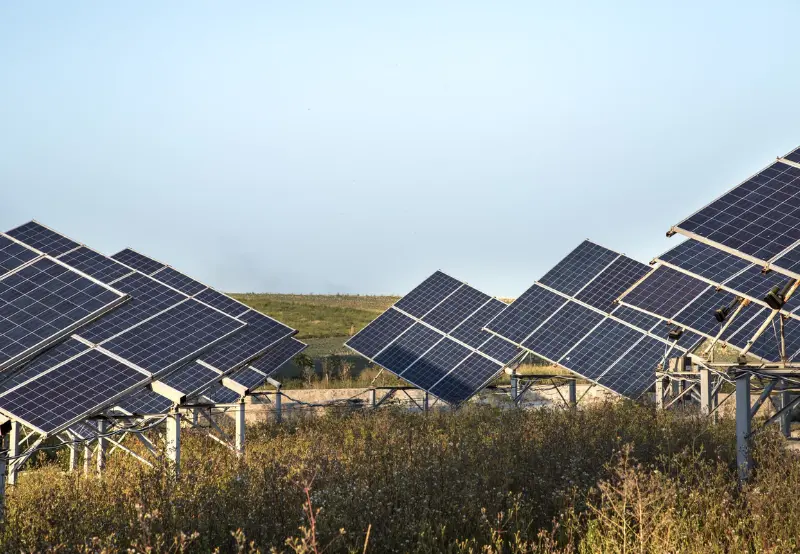
- A major tender of 1,000 MW solar was issued by the Deendayal Port Authority in Gujarat.
- A wind-project tender of 600 MW ISTS-connected (Inter-State Transmission System) capacity was floated by SJVN Limited.
- Additional EPC (Engineering, Procurement & Construction) tenders exceeded 3,000 MW, including an order by Coal India Limited (CIL) for solar projects across multiple states — Andhra Pradesh, Tamil Nadu, Karnataka, Rajasthan and Madhya Pradesh.
From January to August 2025, around 25,264 MW of solar and 4,517 MW of wind capacity were added in India, bringing cumulative renewables to about 242.6 GW.
Why These Tenders Matter
Sign of Policy Continuity
The issuance of 3.6 GW of new tenders demonstrates that India’s renewable-energy policy remains active, even as the sector faces headwinds such as transmission delays, land-acquisition issues and evolving tariffs.
Broadening the Portfolio
By including both solar and wind (and EPC tenders across states), the tenders reflect a diversified approach rather than focusing purely on solar. Projects such as ISTS-connected wind show that India is advancing on less-explored segments of the renewables value chain.
Momentum for Domestic Manufacturing & jobs
Large tenders spur manufacturing of key components (solar modules, wind turbines) and push EPC contracts. This supports India’s “Make in India” ambitions and can help create employment in construction, assembly and operations.
Impacts on Tariffs & Cost of Power
With competition among developers bolstered by such tenders, tariffs for solar and wind can remain competitive. As more capacity comes online, the levelised cost of electricity (LCOE) from renewables may continue its downward trend, reinforcing the economic case for clean power.
Associated Risks & Challenges
While the issuance of these tenders is a positive signal, several challenges remain:
- Transmission & Grid Integration: New tenders are issued, but connecting these projects to the grid and ensuring evacuation still face delays.
- Land & Permitting: Especially for solar parks and large wind farms, timely land acquisition and environmental clearances continue to be bottlenecks.
- Developer Participation: In some earlier rounds, tenders were undersubscribed or had fewer bidders than expected—which can reflect concerns about risk, tariffs or site conditions.
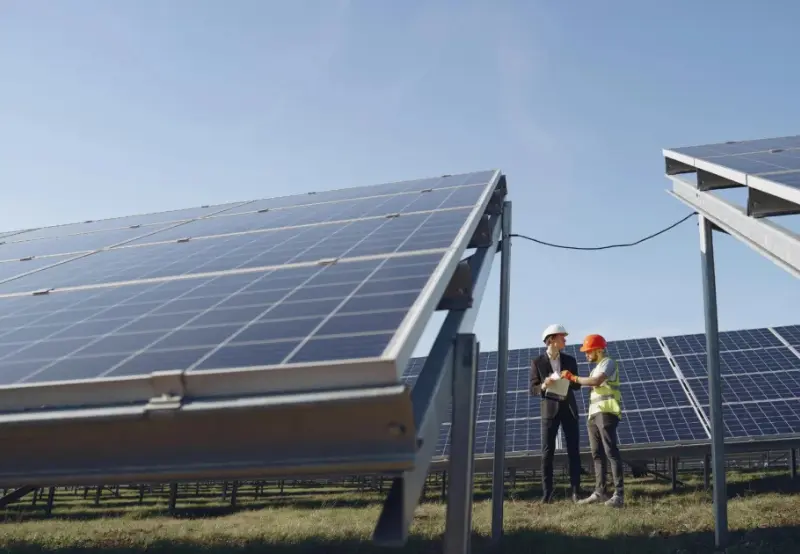
- Execution Risk: Issuing the tender is just the first step. Actual project execution, commissioning and operations define the real outcome. Past reports show cancellation risks increasing if execution is weak.
What to Watch Next
- Award and Allocation: Monitor which developers win these tenders, the tariffs discovered and how many bidders participate.
- Project Commissioning: Whether these tenders translate into commissioned projects within expected time-frames.
- Hybrid / Storage Integration: Whether these new tenders also include hybrid (solar + wind + storage) formats, given growing preference for “less intermittent” power.
- State-level follow-through: As many tenders are at state or port-authority level, the regulatory and transmission support at state level will define success.
- Manufacturing & Supply Chain Impact: Whether domestic manufacturing capacity (modules, turbines, wind towers) ramps up to support this new capacity pipeline.
Conclusion
The issuance of 3.6 GW of new renewable energy tenders marks a significant moment in India’s clean-energy journey. It shows that the tendering mechanism remains active, and both solar and wind are being pursued with renewed vigour.
However, the ultimate impact will depend not just on tender announcements, but on execution, grid integration, developer response and manufacturing readiness. If these elements align, India could well add substantial, competitive clean-energy capacity in the coming years—moving closer to its 2030 targets and reinforcing its role as a global renewables leader.
In short: the pipeline is forming—but it’s the projects that count.
For more insights visit, Tender/Grants