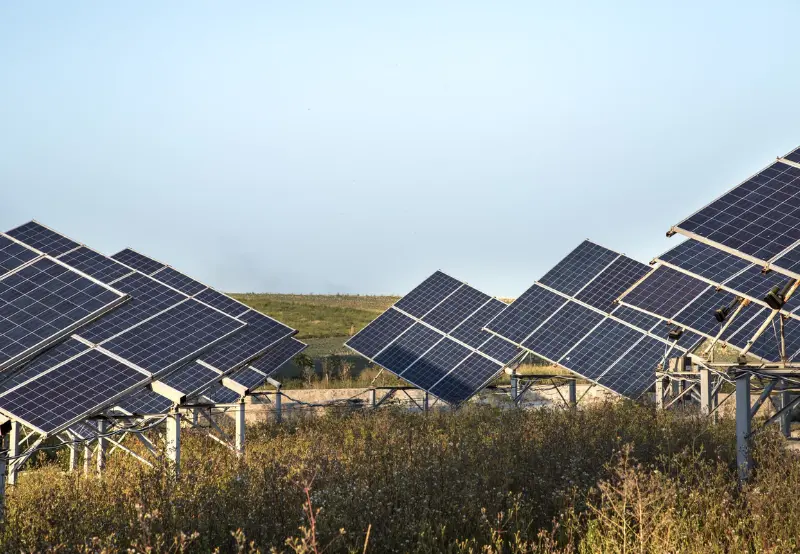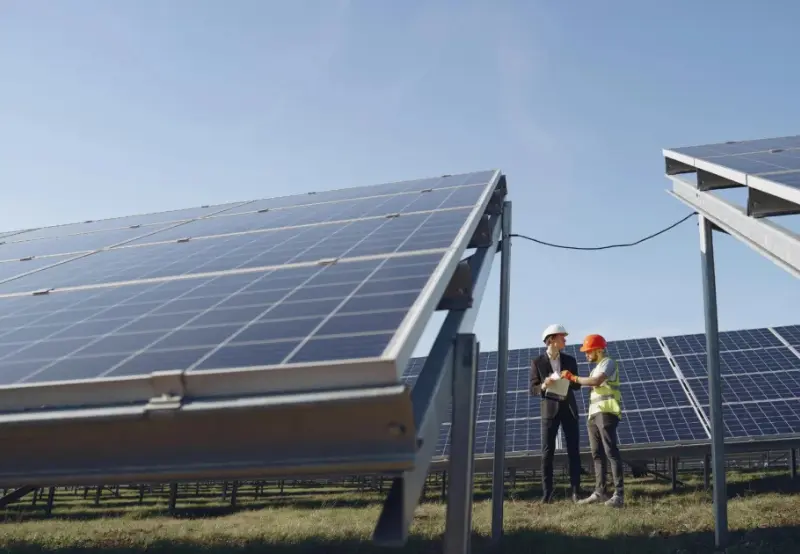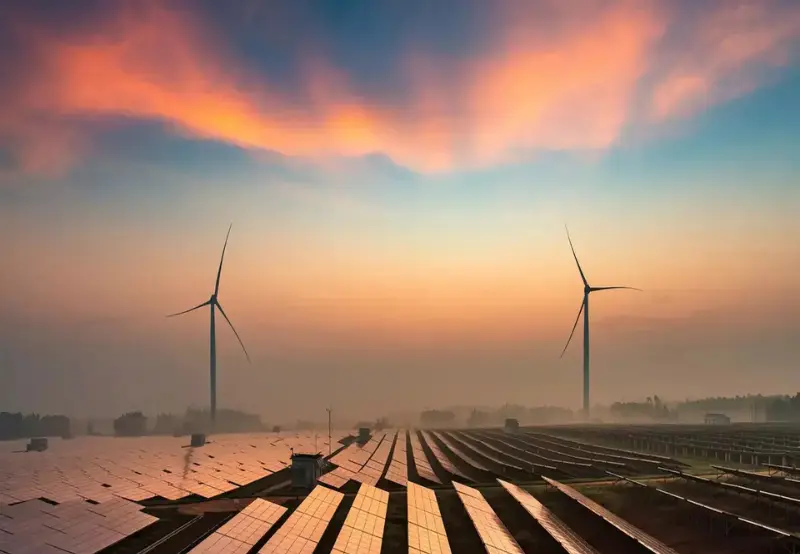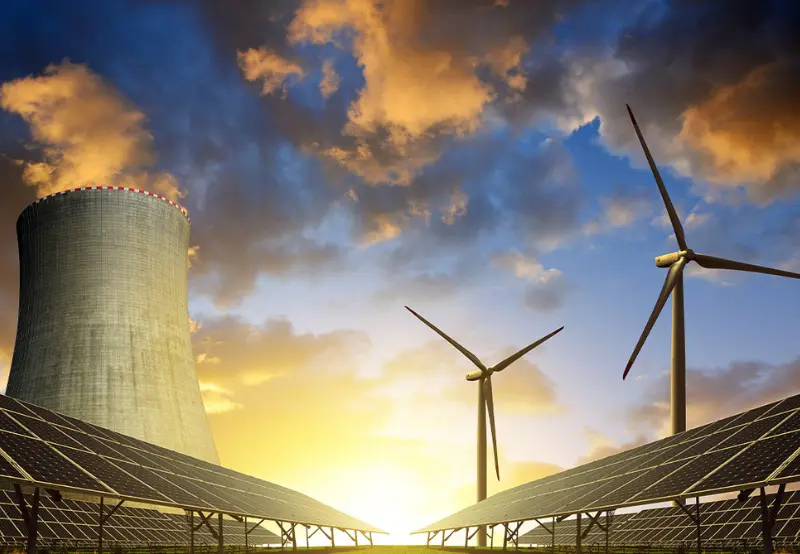

The IEA reveals a supply boom in cheap renewables that could seal the end of the fossil-fuel era. Renewable energy set to outpace other sources and reshape global power systems.
Introduction
The era of fossil fuels is being challenged in a major way. A new report by the International Energy Agency (IEA) shows that the world is set to build more renewable energy projects in the next five years than in the past forty. That’s a profound statement: it signals not just growth in renewables but a structural shift in how the world powers itself. With the “cheap renewables surge” well under way, the IEA says the transition away from oil, gas and coal is inevitable.
This blog explores what’s driving this surge, what it means for the energy industry and how countries like India can respond.
What the IEA Report Found
- Renewable-energy supply is booming. The agency expects deployment over the next five years to surpass the cumulative total of the last four decades.
- Electricity demand is set to rise by 40% over the next decade, driven by electric vehicles, cooling/heating needs and artificial-intelligence datacentres. The increased demand fulfils a major part of the business case for renewables.
- In all modelling scenarios, renewables grow faster than any other major energy source. The fossil-fuel peak is approaching.
- The growth is strongest in solar power and in sun-rich geographies such as Asia and the Middle East.
- On the flip side, political headwinds exist. U.S. policy shifts, for example, might reduce solar deployment in the U.S. by about 30% by 2035 compared to older forecasts — but globally the trend remains positive.
Why the Surge in Cheap Renewables Matters
A Shift in Cost Dynamics
Renewables are not just growing—they’re becoming the lowest-cost option in many places. When generation costs for solar and wind fall below those for fossil-fuel plants, the economic argument for the old model weakens.
Energy Security and Independence
For many countries that import oil, gas or coal, an abundant, domestic source of clean energy offers less dependence on volatile global fuel markets. The IEA emphasises that fossil fuel-importing nations stand to gain by embracing renewables and electrification.
Technology & System Evolution
The wholesale system is transforming. From traditional centralised fossil fuel plants to flexible renewables paired with storage, smart grids and electrified sectors (transport, heating) – the cheap renewables surge is catalysing broader change.
Climate and Policy Leverage
With renewables advancing rapidly, the pressure is increasing on governments and corporations to phase-out fossil fuels, accelerate clean-energy investments and set stronger targets—especially in the run-up to global climate fora (e.g., COP30).
What This Means for India
For a country like India, the cheap renewables surge offers tremendous opportunity:
- Scaling solar & wind: India already aims high on renewables. The cost dynamics mean solar and wind become even more attractive.
- Electric-mobility linkage: With rising electricity demand expected from EVs, the ability to source clean power cheaply aligns tightly with India’s transport-and-energy goals.
- Manufacturing & exports opportunity: As renewables scale globally, opportunities exist for Indian-manufactured modules, inverters, supply-chain elements.
- Energy access & rural electrification: Cheaper renewables can help accelerate electrification in under-served regions, improving development outcomes.
- Policy alignment: With global trends shifting, Indian policy must remain consistent, supportive and ambitious to capture the benefits of the surge rather than only retrofit to it.
Challenges & Considerations
While the cheap renewables surge is real, there are important caveats:
- Grid integration: High shares of solar/wind require strong grid management, storage, flexibility measures – not just generation.
- Supply-chain & raw materials: Although costs are falling, supply constraints in critical minerals, manufacturing bottlenecks and trade tensions could slow progress.
- Policy & investment stability: Some regions may suffer from policy reversals, subsidy cuts or geopolitical disruptions that hamper local deployment.
- Fossil-fuel inertia: The fossil-fuel industry still wields strong influence. Some scenarios model slower transition pathways if fossil producers or users resist change.
- Equity and access: While costs fall globally, some countries or regions may be left behind due to financing constraints or institutional barriers.
What to Watch Out For
- Renewable-deployment milestones: Will the world indeed build more capacity in the next five years than in the previous forty? Tracking registration, commissioning and country-level progress will show the truth of the claim.
- Cost competition: Are solar, wind, and storage continuing to beat fossil fuels in terms of LCOE (levelised cost of electricity) and total system cost?
- Storage and flexibility metrics: Growth in storage capacity, grid-services markets, and integration into renewables will be key to realising the cheap-renewables surge.
- Fossil-fuel demand trajectories: When will oil, coal and gas demand peak globally? The sooner this happens, the stronger the case for renewables.
- Policy alignment: Are major economies aligning budgets, subsidies and regulatory frameworks to reflect the change? Or are they still invested in fossil infrastructure?
Conclusion
The IEA’s declaration that a cheap renewables surge “will seal the end of the fossil-fuel era” is neither hyperbole nor wish-fulfilment—it reflects hard data, cost curves, and global deployment trends. For the first time in history, renewable energy isn’t just the “clean” option—it’s becoming the most affordable, most scalable option.
For energy‐intensive economies, for countries looking to leapfrog fossil-fuel dependency, for manufacturers and investors in clean infrastructure, the moment is now. The fossil-fuel era isn’t just in decline—it may already be behind us.
What remains is how quickly, equitably, and effectively the world embraces the opportunity. The cheap renewables surge is here; it’s real; and it demands action.
For more insights, Solar News