
Introduction
JinkoSolar, once primarily known for its solar panel manufacturing, is now betting big on energy storage — and for good reason. After navigating a tough market with shrinking solar margins, the company is pivoting to battery systems, presenting a renewed vision for its future.
From Solar Panels to Power Banks: Why the Shift?
JinkoSolar’s recent financial results highlight the challenges in the solar module business. While it remains a leading player, pricing pressure and oversupply in the sector have squeezed profitability.
In response, the firm has ramped up its energy storage business. In the third quarter of 2025, JinkoSolar reported that more than 90% of its energy storage system (ESS) order book is visible, signalling strong demand and confidence in this vertical.
Big Wins: Key Energy Storage Milestones
One of JinkoSolar’s recent major achievements is the commissioning of 21.6 MWh of energy storage systems in Massachusetts via its collaboration with Distributed Energy Infrastructure (DEI). This project, supported by the state’s SMART programme, not only supports clean energy deployment but also enhances grid resilience.
Furthermore, JinkoSolar’s energy storage credentials are gaining market recognition: it has been named a Tier 1 Energy Storage Provider by Bloomberg New Energy Finance (BNEF), a testament to its growing influence in the ESS space.
Innovation & Product Development
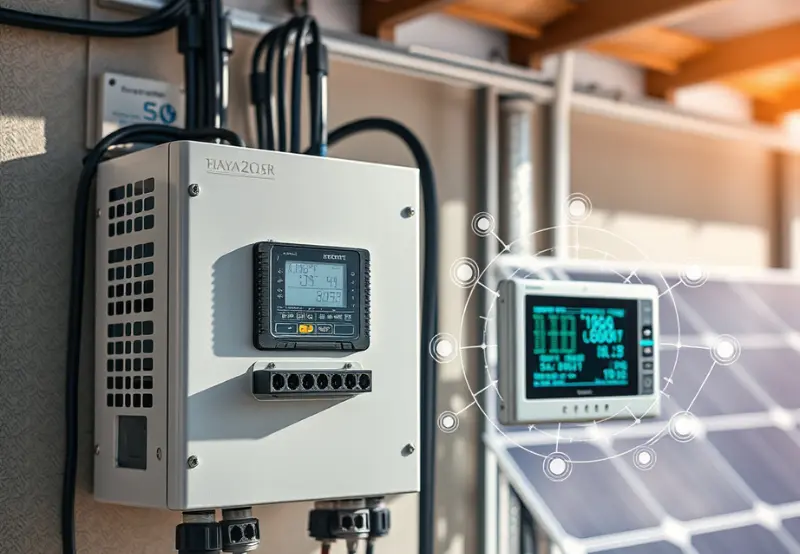
JinkoSolar isn’t just entering the ESS market — it’s innovating in it. At the 2025 SNEC Expo, the company unveiled its SunGiga G2 Plus liquid-cooled ESS designed for commercial and industrial (C&I) applications. This system emphasises safety, high performance, and smart operations, featuring a multi-cluster design, fire protection mechanisms, and flexible configurations to suit different energy needs.
On the solar side, JinkoSolar is also boosting its cell production capacity. It’s upgrading its workshops to produce high-efficiency, high-power modules (640 W+), which can pair optimally with its storage solutions.
Financial Outlook & Strategic Implications
The pivot to energy storage appears more than a survival tactic — it’s strategic growth. According to JinkoSolar’s Q3 2025 results, the company has already shipped over 3.3 GWh of ESS in the first three quarters, marking a strong uptrend.
Management is optimistic: they expect energy storage to become a “second growth engine” and contribute meaningfully to profitability by 2026.
Risks & Challenges
Of course, the shift to energy storage isn’t without risk:
- Capital Intensity: Deploying grid-scale storage systems requires large CAPEX and ongoing investment in R&D.
- Competition: The ESS market is crowded, with many players vying for utility-scale and industrial customers.
- Regulatory Uncertainty: Incentives, grid policies, and energy storage regulations differ by region — making global scaling complex.
- Technology Risk: Battery technology is evolving rapidly. If JinkoSolar lags in next-gen chemistry or fails to scale efficiently, it could be squeezed.
Why This Matters for Investors and the Clean-Energy Sector
- For Investors: JinkoSolar’s evolving model suggests it’s not just a solar panel maker, but a broader clean-energy solutions provider. Its strong ESS order book could fuel long-term growth.
- For the Clean Energy Transition: Storage is the linchpin of renewables’ future. If JinkoSolar’s ESS business scales successfully, it can contribute to more stable, dispatchable energy — especially when paired with its high-efficiency solar modules.
- For Policy Makers: This development supports the case for more energy storage incentives, as corporates like JinkoSolar are investing in clean infrastructure.
Conclusion
JinkoSolar’s move into energy storage is more than a defensive play — it’s a forward-looking strategy that aligns perfectly with the global energy transition. Amid pressure on its traditional solar business, the company may well find a rejuvenated growth story in batteries. If executed well, ESS could redefine Jinko’s role in the clean-energy ecosystem and deliver long-term value for stakeholders.