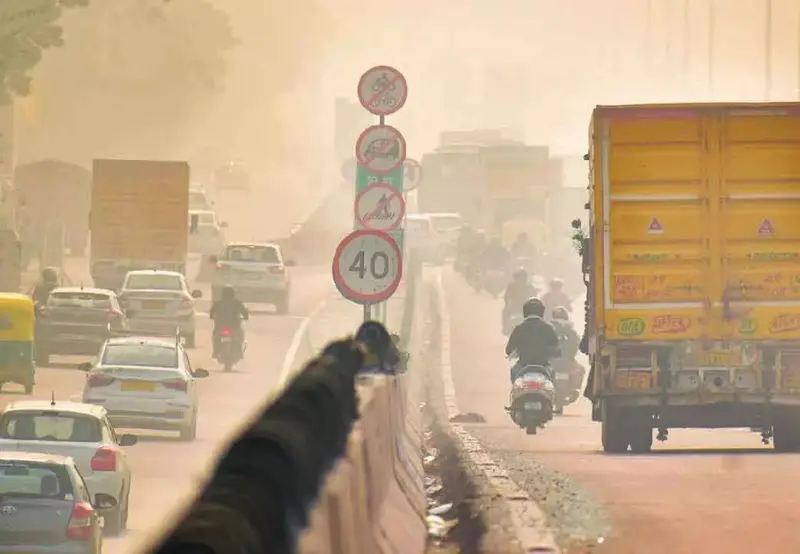

In a significant move to address Delhi’s worsening air quality, the central government has directed authorities to take strict action against vehicles that violate emission norms. The decision comes amid rising concerns over pollution levels and reflects a wider push to increase the adoption of electric vehicles (EVs) across the capital.
Growing Concerns Over Air Quality
Delhi has been battling persistently poor air quality, with the Air Quality Index frequently slipping into the “very poor” and “severe” categories. During a recent high-level review, it was highlighted that a considerable number of vehicles on the road still run on outdated emission standards, contributing heavily to air pollution.
Government Orders Strict Enforcement
The Centre has instructed enforcement agencies to intensify checks on vehicles that emit excessive pollutants. Authorities have been asked to:
- Conduct more frequent emission inspections
- Identify and penalise non-compliant vehicles
- Ensure that older, highly polluting vehicles are gradually phased out
These measures are part of a broader effort to reduce pollution from transportation, one of the major contributors to Delhi’s declining air quality.
Strong Push Towards Electric Mobility
Alongside the crackdown on polluting vehicles, the government is working to expand the presence of electric vehicles in Delhi. Plans include:
- Increasing the number of EVs on the road
- Accelerating the installation of EV charging stations
- Encouraging public and private sector fleets to adopt electric mobility
- Considering additional support and incentives to make EVs more accessible
This dual strategy aims to reduce dependence on petrol and diesel vehicles while building a sustainable transport ecosystem.
Expected Impact on the Capital
If implemented effectively, these measures could bring several benefits:
- Cleaner air: Lower vehicular emissions will directly improve Delhi’s air quality.
- Reduced health risks: With pollution linked to respiratory and cardiovascular issues, cleaner mobility can support public health.
- Growth of green infrastructure: Expansion of charging networks and EV use will further strengthen Delhi’s clean-energy transition.
- Model for other cities: Successful implementation in the capital could encourage similar action in other polluted urban centres.
Challenges on the Road Ahead
While the initiative is ambitious, a few challenges remain:
- Ensuring consistent enforcement
- Expanding EV infrastructure at a fast enough pace
- Making EVs affordable and convenient for the public
- Achieving cooperation from transport operators and vehicle owners
The Centre’s directive to target polluting vehicles — coupled with its push to boost electric mobility — marks a decisive step in tackling Delhi’s pollution crisis. With strong enforcement and sustained support for EV adoption, the initiative has the potential to significantly improve the capital’s air quality and pave the way towards a cleaner, healthier urban future.