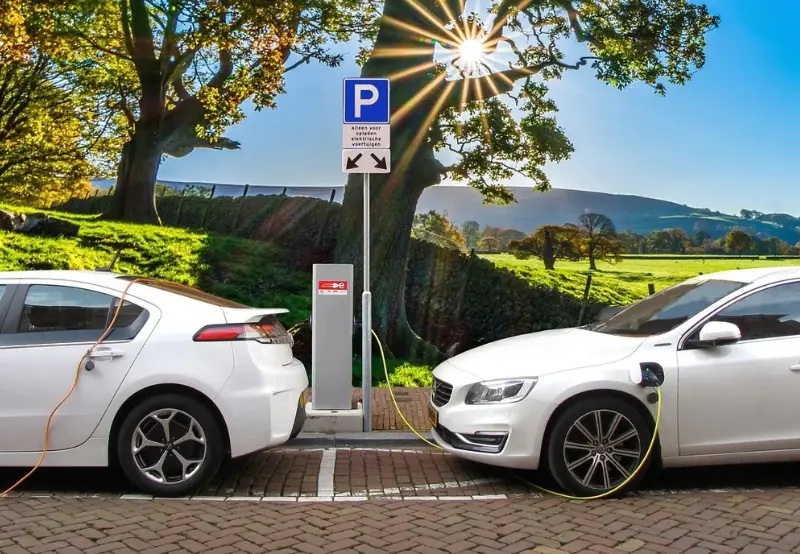

In a bold move to reduce pollution and promote clean mobility, the Gujarat government is planning to replace its entire fleet of petrol and diesel vehicles with electric vehicles (EVs) — and the transition will happen in a phased manner.
Why This Shift Matters
- The reliance on traditional fossil-fuel vehicles contributes significantly to air pollution and carbon emissions. By switching to EVs, the government aims to curb pollution and support cleaner air across the state.
- The shift underscores Gujarat’s ambition to boost electric mobility and position itself strongly in the growing EV ecosystem, supporting both environmental and sustainability goals.
What the Plan Involves
- All official vehicles currently operating on petrol and diesel will eventually be replaced by EVs, as part of a phased rollout.
- This move is aligned with broader efforts by the state to promote EV adoption, expand charging-infrastructure, and encourage sustainable transport solutions.
Potential Benefits for Gujarat
- Reduced pollution & carbon footprint: As government usage is sizeable, electrifying the fleet could lead to a substantial drop in emissions, contributing to cleaner air and lower environmental impact.
- Leadership by example: When the state government adopts EVs for its own fleet, it sets a precedent — this could encourage private individuals and other organisations to follow suit, boosting overall EV uptake.
- Support for EV infrastructure and market growth: The shift can reinforce demand for EVs and related infrastructure (like charging stations), encouraging investment in EV manufacturing, services and supply-chain development in Gujarat.
What Challenges Lie Ahead
- Infrastructure readiness: For the fleet to be reliable, sufficient charging stations and maintenance support must be available across urban and rural parts of the state.
- Cost and procurement logistics: Transitioning an entire government fleet involves upfront costs, vehicle procurement, disposal of old vehicles, and planning — all requiring careful implementation.
- Acceptability and performance: Government users need EVs that meet performance, range and convenience standards; otherwise, adoption may face resistance or operational challenges.
What This Signals Overall
Gujarat’s plan to shift official vehicles from fossil fuels to electric power reflects a growing realisation: the future of transport lies in sustainable mobility. If implemented effectively, this could mark a significant milestone — not just for the state’s environment, but also for its role in shaping India’s electric-vehicle journey.