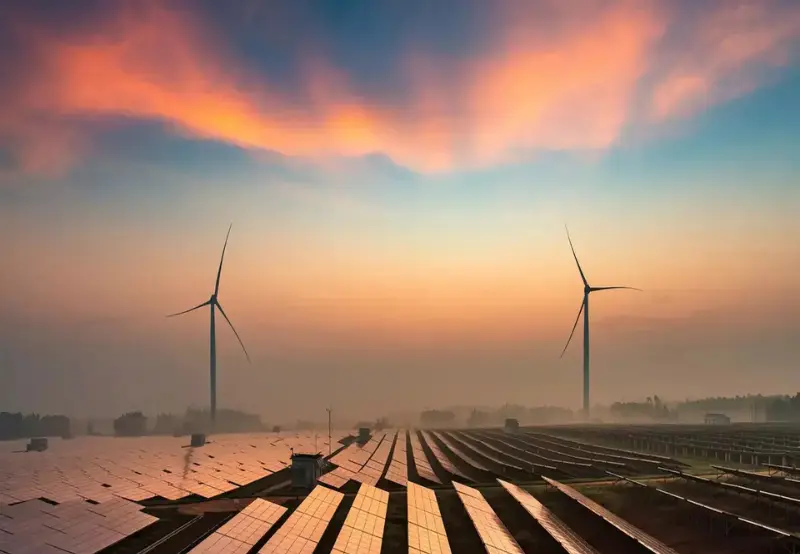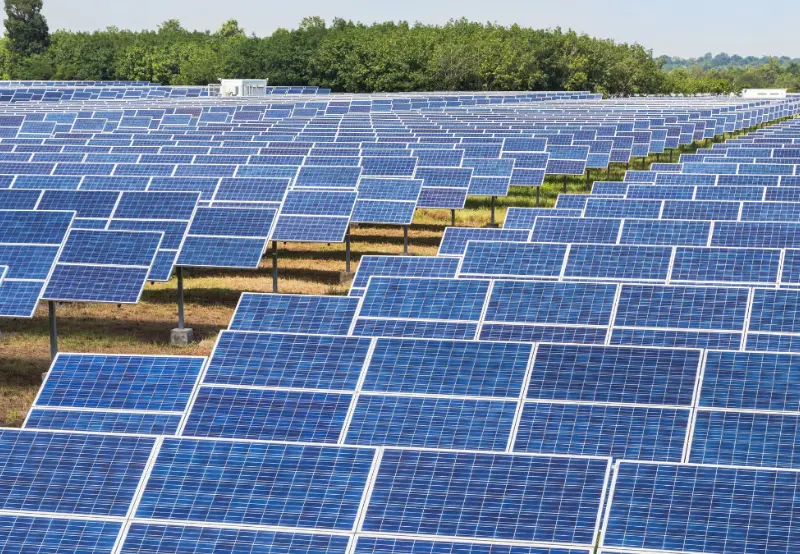

India is gearing up to host what is expected to become the largest renewable energy park in the world, with a massive solar project under development in the Khavda region of Gujarat’s Kutch district. According to recent statements from Pranav Adani, Director of a leading Indian energy conglomerate, the ambitious plan aims to scale up India’s clean energy capacity while putting previously unused desert land to productive use.
A 30 GW Solar Power Mega-Project
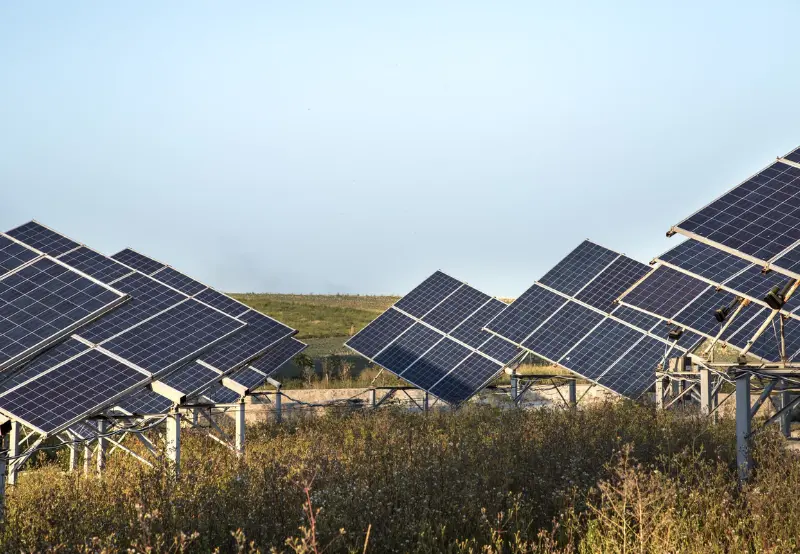
The Khavda renewable energy park is being planned as a 30-gigawatt (GW) solar power installation. When complete, this facility will dwarf many existing solar farms globally, with a capacity far exceeding what most countries currently generate from a single site. The project spans roughly 520 square kilometres of arid land near the India–Pakistan border — a region previously considered uninhabitable — and is being transformed into one of India’s most strategic energy assets.
Pranav Adani has highlighted that the park’s sheer size — roughly five times that of Paris — makes it a landmark infrastructure project. The location’s vast open spaces, abundant sunshine, and minimal competing land uses make it ideal for large-scale solar generation.
A Vision for Clean Power and Sustainability
The project has been positioned as a key contributor to India’s long-term clean energy goals. The country has set ambitious targets for renewables as part of its climate commitments and economic growth strategy. Developing large solar parks such as the one in Khavda supports several national objectives:
- Significant clean power generation: At 30 GW, the park will contribute substantially to India’s renewable energy capacity, reducing reliance on fossil fuels.
- Boosting energy supply resilience: Desert areas like Khavda enjoy high solar irradiance throughout most of the year, enabling consistent power production.
- Job creation and economic activity: Large infrastructure projects typically stimulate local economies through jobs in construction, operations and maintenance.
- Supporting energy transition: This type of project helps accelerate the shift away from traditional coal-based electricity generation toward cleaner alternatives.
Pranav Adani has noted that, despite the country’s expansion into renewables, thermal power still plays an important role in meeting baseline electricity demand. He emphasised that newer technologies in conventional plants have reduced emissions, but renewable energy remains critical for the future.
Part of a Broader Expansion
The solar park at Khavda is also aligned with a broader renewable expansion strategy in India. Energy firms in the country are developing large solar and hybrid renewable parks that combine wind and solar generation, integrating storage solutions and strengthening grid infrastructure. These initiatives aim to support economic development while lowering overall carbon emissions.
Although delivering a project of this scale comes with logistical challenges — from supply chain coordination to building infrastructure in remote desert terrain — proponents argue that these are typical hurdles for transformative infrastructure projects. The sheer ambition of a 30 GW park illustrates India’s growing leadership in clean energy deployment on a global scale.
What This Means for India’s Energy Future
If the Khavda solar park meets its planned targets, it will not only set new records for renewable energy production but also symbolise a significant shift in how India meets its energy needs sustainably. By harnessing abundant solar resources in remote regions, the country could dramatically expand its clean power footprint, supporting climate goals and meeting rising electricity demand from homes, industry and transportation.
This project exemplifies the potential for large renewable installations to become backbone assets for future energy systems — providing reliable power, reducing environmental impact, and accelerating the transition to a low-carbon economy.