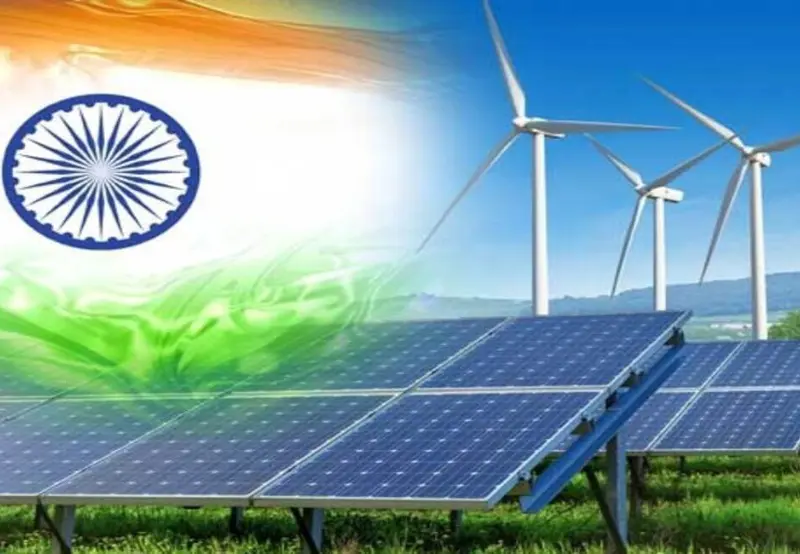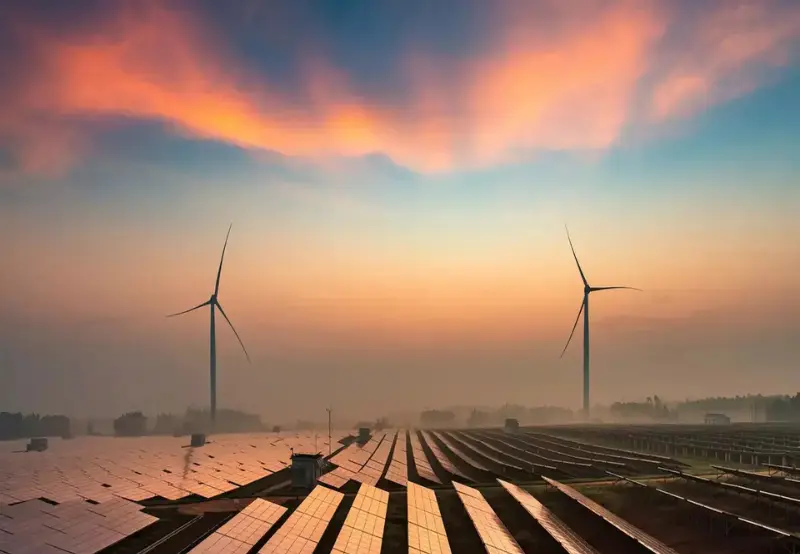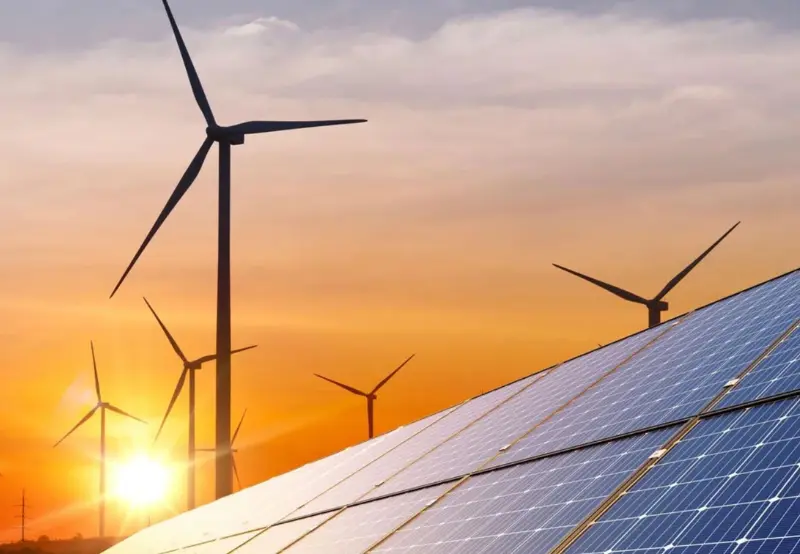

India is taking decisive steps to strengthen its power grid by accelerating the deployment of energy storage systems, a critical enabler for large-scale renewable energy integration. Through a combination of progressive policies, regulatory reforms and targeted funding mechanisms, the country is building a more resilient, flexible and future-ready electricity network.
The Growing Importance of Energy Storage
With solar and wind power forming a larger share of India’s energy mix, managing intermittency has become a key challenge. Energy storage systems help balance supply and demand by storing excess electricity during periods of high generation and releasing it when generation drops or demand peaks. This ensures grid stability, improves reliability and reduces dependence on fossil fuel-based backup power.
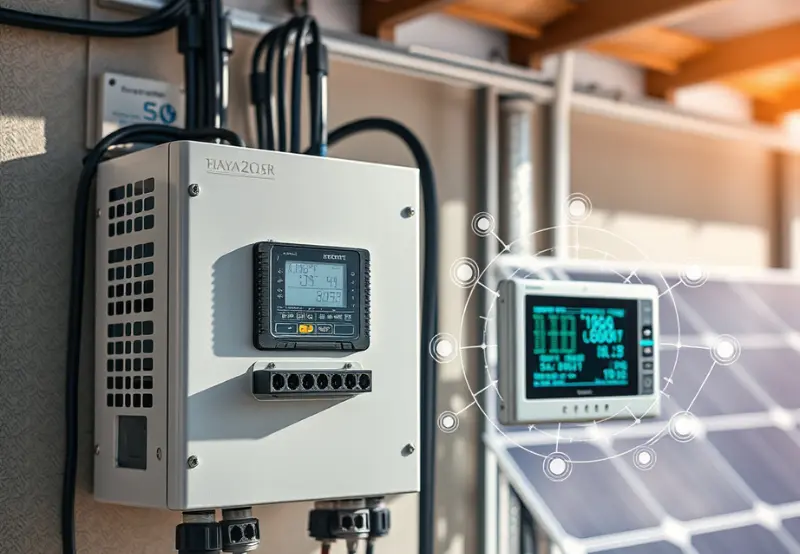
Energy storage also plays a vital role in providing ancillary services such as frequency regulation, voltage control and peak load management, making it essential for a modern power system.
Policy and Regulatory Support
The Government of India has formally recognised energy storage as a core component of the electricity ecosystem. Updated electricity rules now allow storage technologies to participate across generation, transmission and distribution segments, improving their commercial viability.
A national framework for energy storage promotion has been introduced to provide long-term clarity for developers and investors. This framework outlines deployment targets, market participation models and regulatory support, creating a stable foundation for growth.
In addition, draft technical and safety standards for battery energy storage systems have been issued to ensure high-quality installations and operational safety across projects.
Financial Incentives and Funding Measures
To accelerate adoption, the government has rolled out multiple funding initiatives aimed at reducing upfront costs and de-risking early projects. Viability Gap Funding schemes have been launched to support large-scale battery energy storage deployments, helping bridge the cost gap until the market matures.
Support has also been extended to pumped storage projects, which provide long-duration energy storage and complement battery systems. These projects are crucial for meeting long-term peak demand and seasonal balancing requirements.
On the manufacturing side, incentives are in place to promote domestic production of advanced battery cells, strengthening supply chains and reducing reliance on imports.
Boosting Renewable Energy Integration
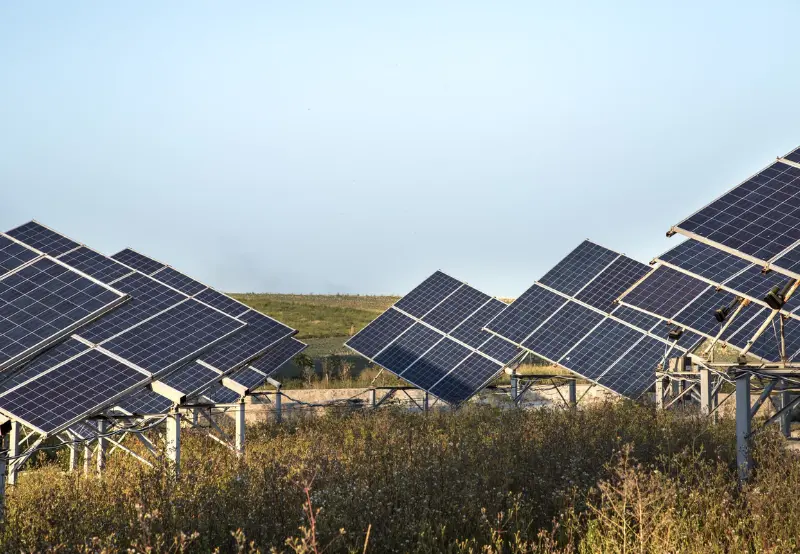
To enhance the reliability of solar power, authorities have recommended the integration of energy storage with renewable projects. Co-locating storage with solar installations allows excess power to be stored and dispatched during non-sunlight hours, minimising curtailment and improving grid responsiveness.
This approach ensures that renewable energy contributes not just to capacity addition, but also to dependable power supply.
A Stronger and Cleaner Energy Future
India’s comprehensive strategy for energy storage marks a significant milestone in its clean energy transition. By aligning policy reforms, regulatory clarity and financial incentives, the country is creating the conditions needed for rapid and sustainable deployment of storage technologies.
As energy storage capacity grows, India will be better equipped to manage renewable variability, strengthen energy security and move closer to its long-term climate and sustainability goals.