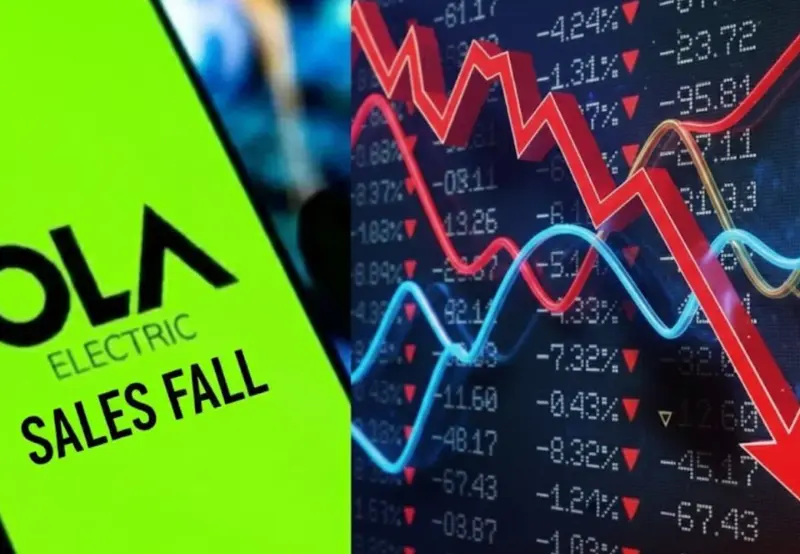

Ola Electric recorded a significant decline in electric vehicle sales in 2025, with total registrations falling to 196,767 units for the year. This marks a sharp drop of nearly 50 per cent compared to 2024, when the company sold over 4 lakh electric scooters. The decline highlights intensifying competition and shifting dynamics within India’s fast-growing electric two-wheeler market.
Year-on-Year Sales Performance
According to vehicle registration data, Ola Electric’s annual sales in 2025 were almost halved compared to the previous year. Once the clear market leader, the company faced pressure from both established automakers and newer EV players who strengthened their product portfolios and expanded distribution networks.
Monthly sales towards the end of the year showed a further slowdown, with registrations dropping below 10,000 units in some months, signalling reduced momentum in consumer demand.
Strong Competition from Legacy Automakers
In 2025, traditional two-wheeler manufacturers gained a stronger foothold in the electric segment. TVS Motor Company emerged as the top electric two-wheeler seller, followed closely by Bajaj Auto. These companies benefited from their extensive dealer networks, brand trust and improved electric offerings.
Ather Energy also posted strong numbers, marginally surpassing Ola Electric’s annual registrations, reflecting growing customer preference for reliable performance and after-sales support.
Challenges and Market Shifts
Ola Electric’s decline comes amid increased scrutiny over product quality, service experience and delivery timelines — factors that play a crucial role in consumer decision-making. As the market matures, buyers are becoming more discerning, placing greater emphasis on durability, service access and long-term value rather than price alone.
The changing market landscape suggests that innovation alone is no longer sufficient without consistent execution and customer satisfaction.
Policy Support and the Road Ahead
Despite the sales downturn, Ola Electric remains eligible for incentives under the Production Linked Incentive scheme for automobiles and auto components. This support reflects continued government confidence in domestic EV manufacturing and advanced technology development.
Looking ahead, Ola Electric’s ability to regain momentum will depend on product improvements, stronger customer engagement and effective competition against well-established rivals. As India’s electric two-wheeler market continues to expand, sustained performance will require a balanced focus on innovation, quality and consumer trust.