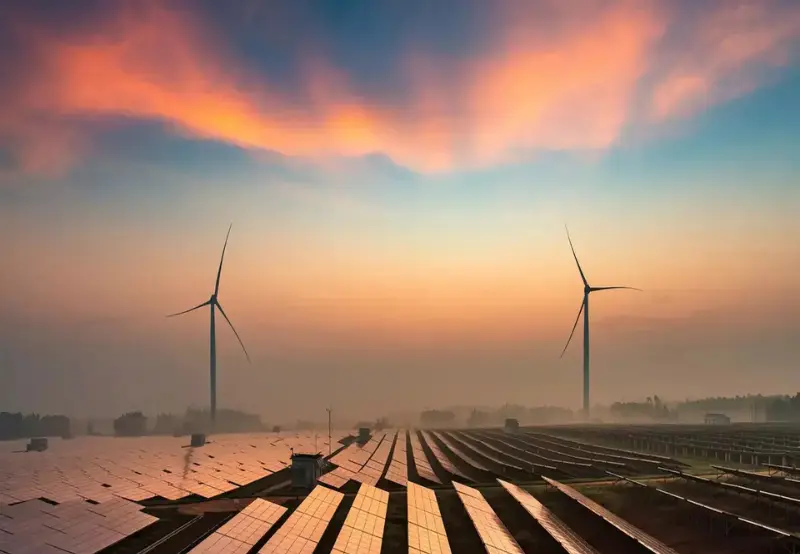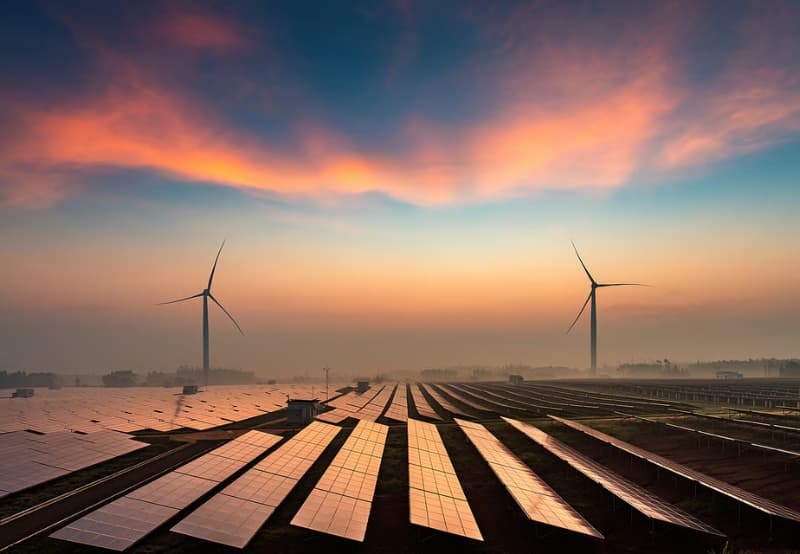

Tamil Nadu is planning a major expansion of its clean energy infrastructure, with energy storage and offshore wind emerging as pivotal elements in meeting future electricity demand and ensuring grid reliability. The state’s long-term Resource Adequacy Plan outlines a significant increase in capacity from renewable and conventional sources to supply reliable power well into the 2030s. This approach recognises the growing role of variable renewable energy and the need for advanced storage solutions to support it.
Ambitious Renewable and Storage Goals
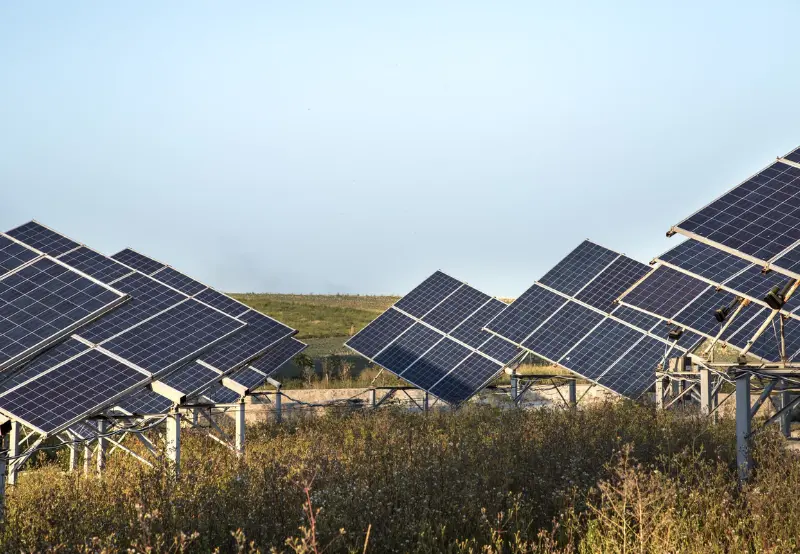
Under the state’s energy roadmap, Tamil Nadu aims to add substantial capacity from solar, wind and energy storage by 2034–35. The plan includes over 11 GW of battery energy storage systems (BESS) and more than 4 GW of pumped storage capacity, positioned to help balance the grid as renewable generation increases.
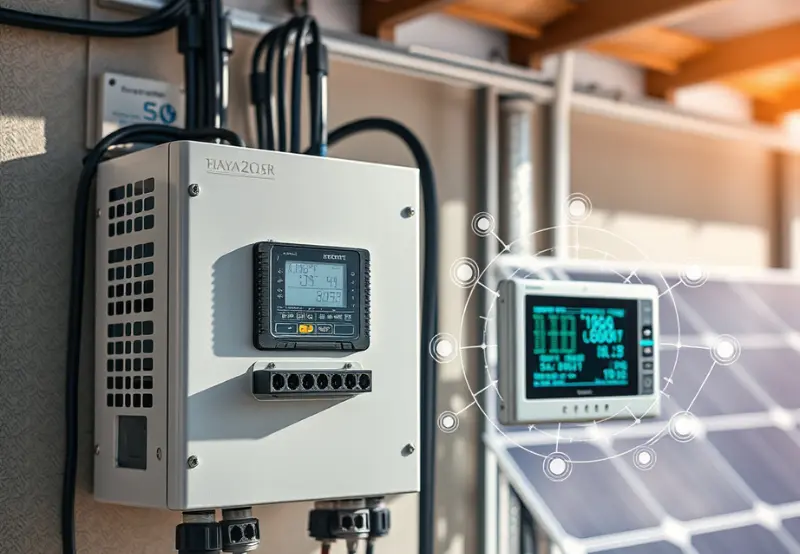
Key battery storage initiatives include a 375 MW / 1,500 MWh BESS, a 500 MW / 1,000 MWh project, and a solar-coupled storage system designed to store midday surplus and supply power during evening peaks. All of these are progressing through regulatory approval with commissioning targeted for 2027. Pumped storage projects in locations such as Kundah, Vellimalai and Aliyar are also moving forward, with some expected to go online as early as 2026.
Offshore Wind Potential and Integration
Tamil Nadu’s extensive coastline offers excellent wind resources, making offshore wind a strategic priority for its clean energy future. The state’s wind energy potential, including offshore capacity, plays a key role in diversifying its energy mix and unlocking new low-carbon energy sources. Studies and planning efforts indicate that offshore wind can complement onshore solar and wind generation, especially as energy storage systems help manage variability and peak demand.
Grid Expansion and Transmission Upgrades
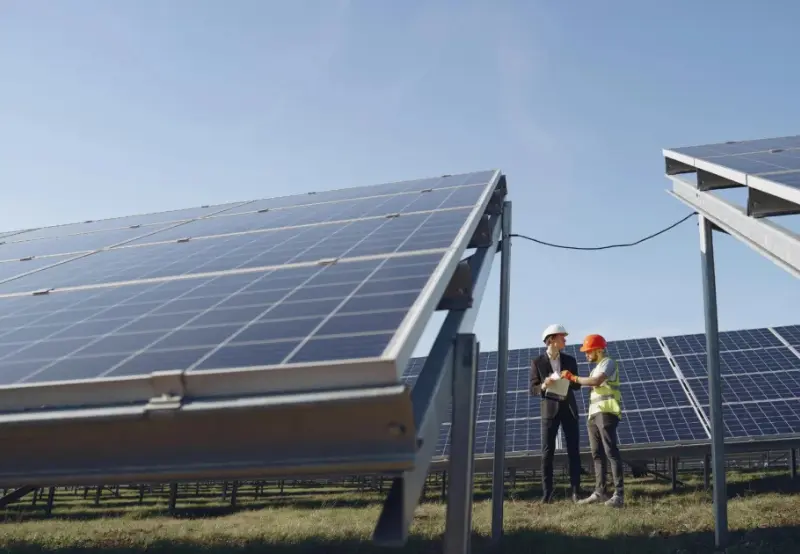
To support this expansion, Tamil Nadu is also investing in transmission infrastructure. New high-voltage substations and transmission lines will help evacuate renewable power and reduce bottlenecks that have limited capacity in the past. Effective grid expansion is essential to integrate large volumes of renewable generation and ensure that energy storage assets can operate efficiently.
Towards a Reliable and Decarbonised Power System
By combining energy storage with offshore wind and onshore solar and wind resources, Tamil Nadu is positioning itself at the forefront of India’s energy transition. These initiatives are expected to enhance energy security, reduce reliance on fossil fuels, and support stable power delivery even as demand rises over the next decade.
With continued policy support, regulatory approvals and investment, Tamil Nadu’s renewable energy strategy could serve as a model for other regions seeking to build resilient and sustainable power systems.