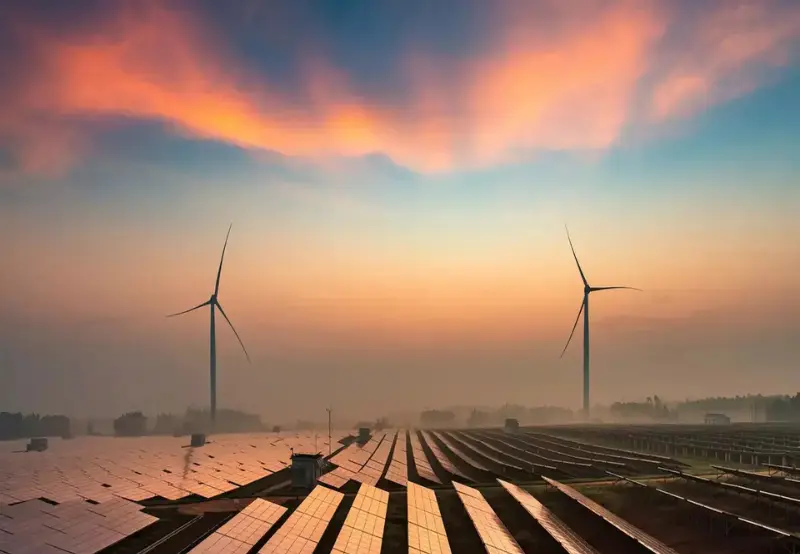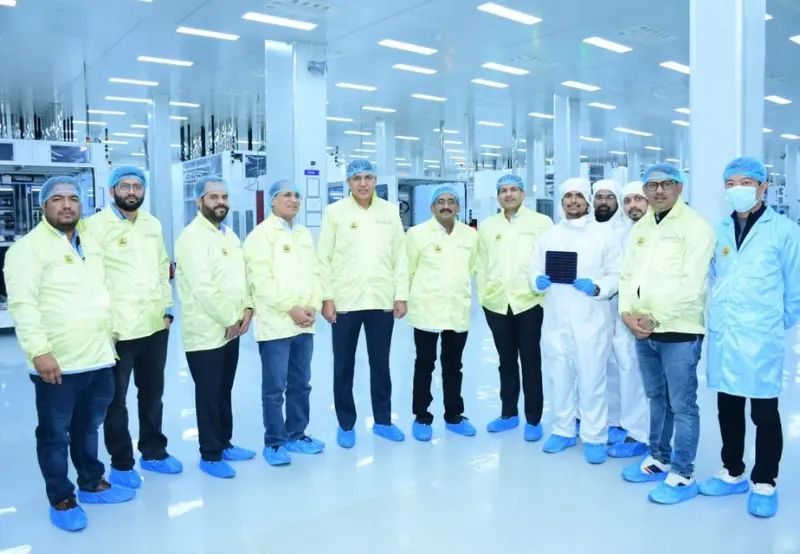

Fujiyama Power Systems has officially commissioned a 1 gigawatt (GW) solar cell manufacturing facility in Dadri, Uttar Pradesh, marking a significant milestone for India’s renewable energy manufacturing landscape. The new plant will produce high-efficiency solar cells that are critical components for solar panels, helping strengthen local supply chains and support the country’s ambitious clean energy goals.
Boosting Domestic Solar Manufacturing
The commissioning of the 1 GW plant underscores India’s push towards self-reliance in renewable energy manufacturing. Solar cells are vital for converting sunlight into electricity, and increased domestic capacity reduces reliance on imports of key components. By producing cells locally, India is better positioned to manage costs, shorten supply chains and enhance long-term energy security.
The Dadri facility is designed to meet growing demand from utility-scale solar parks, commercial projects and rooftop solar systems across the country. With a focus on quality and efficiency, the plant aligns with broader efforts to scale up manufacturing under national initiatives that promote renewable energy and clean technology production.
Supporting India’s Renewable Targets
India aims to dramatically increase solar capacity as part of its strategy to reduce carbon emissions and transition toward a low-carbon power system. The addition of new manufacturing infrastructure complements large-scale solar deployment by ensuring that more of the technology value chain is located within the country.
Expanded domestic production of solar cells helps lower project costs over time, making solar installations more competitive with conventional energy sources. This cost advantage is increasingly important as solar power becomes a preferred choice for utilities, industries and residential consumers.
Economic and Employment Benefits
The new plant not only supports clean energy deployment but also contributes to economic growth and job creation. Manufacturing facilities like this typically generate employment in high-tech production roles, operations, logistics and supply chain management. Local industries supplying ancillary components and services can also benefit from increased activity around the facility.
By fostering a strong manufacturing ecosystem, India can capture greater value from renewable energy investments, while encouraging innovation and industrial competitiveness.
Strengthening the Solar Value Chain
India has been rapidly expanding renewable capacity, particularly solar, with record additions in recent years. However, solar cell and wafer production have historically relied on imports. The commissioning of large-scale solar cell plants helps address this gap, enabling a more resilient and integrated solar value chain.
With continuous advancements in technology and increased production capacity, Indian solar manufacturing is expected to play a key role in global and domestic clean energy markets.