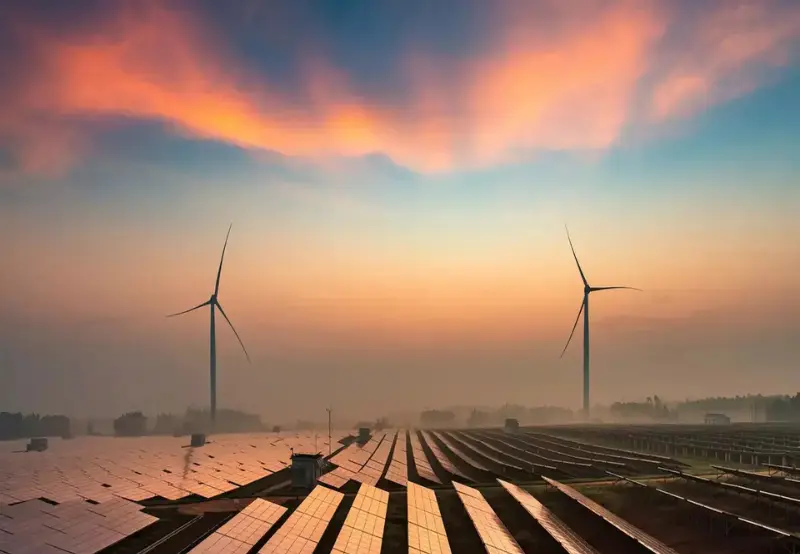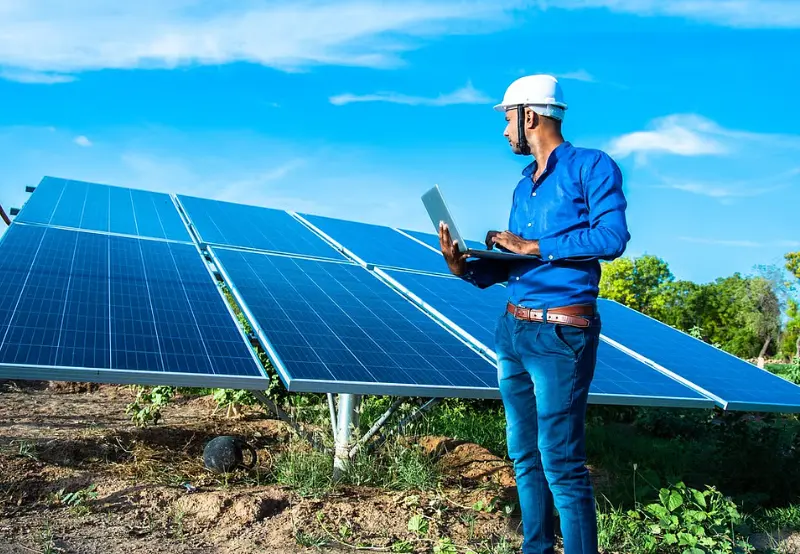

As India prepares its Union Budget 2026–27, energy experts are urging policymakers to shift focus from simply adding renewable power capacity to addressing critical issues such as energy storage, grid reliability and supply chain resilience. With renewable energy forming a growing share of installed power capacity, the next phase of India’s clean energy transition depends on solving challenges that affect dependable electricity supply.
Moving from Capacity Expansion to Reliability
India has made rapid progress in solar and wind energy deployment, with renewables contributing significantly to new power installations. However, renewable sources are inherently intermittent, as solar and wind output varies by weather and time of day. To fully benefit from large renewable capacity, the country must invest in energy storage solutions such as battery energy storage systems, pumped hydro and other flexible technologies that help balance supply and demand across the grid.
Industry experts believe Budget 2026 should prioritise incentives and policy support for storage deployment so renewable energy can provide reliable power even during periods without sunlight or wind.
Strengthening Supply Chains and Critical Mineral Access
Another challenge involves access to critical minerals like lithium, cobalt and rare earth materials required for battery production and clean energy technologies. Global supply chains for these materials are concentrated in a few countries, creating risks for energy security.
Encouraging domestic exploration, recycling and processing capabilities could reduce import dependence and support long-term supply stability for India’s energy transition.
Boosting Domestic Manufacturing
Although renewable installations are expanding quickly, India still relies on imports for many key components, including battery cells, advanced power electronics and other clean energy equipment. Experts suggest that targeted fiscal incentives and manufacturing support could help build a strong domestic ecosystem, generate employment and improve competitiveness in global markets.
Grid Modernisation and Decentralised Solutions
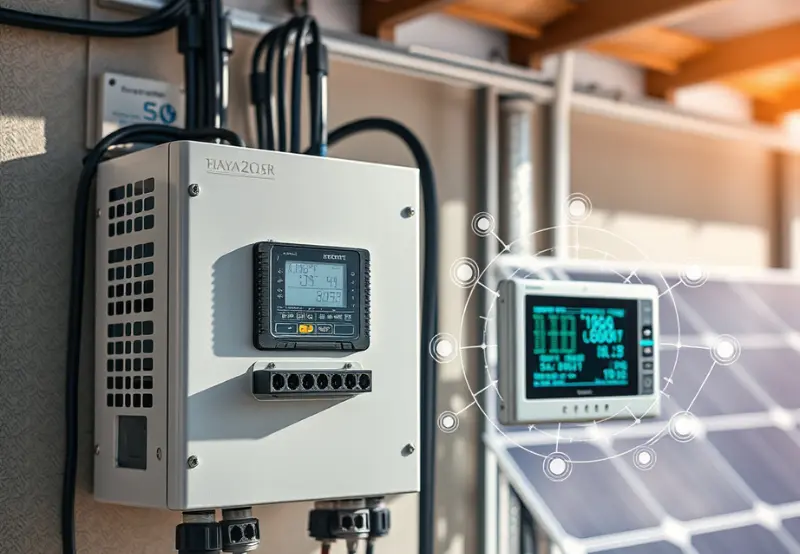
Grid infrastructure also requires strengthening to handle rising renewable power flows and avoid energy curtailment. Investments in transmission networks and smart grid technologies can improve system flexibility and reliability.
Decentralised renewable systems such as rooftop solar and local microgrids can further improve energy resilience while reducing transmission losses and expanding access in remote areas.
Financing the Clean Energy Transition
Renewable and storage projects often face higher financing costs, affecting project viability. Measures that improve access to affordable green finance and reduce investment risks could accelerate deployment of renewable and storage capacity across the country.
A Key Moment for India’s Energy Transition
Budget 2026 presents an opportunity for India to move beyond capacity expansion and focus on reliability, resilience and supply chain strength. By supporting energy storage, domestic manufacturing and grid modernisation, the government can help deliver stable, affordable and sustainable electricity while advancing the country’s long-term clean energy ambitions.