
India’s Union Budget 2026–27, presented in early February, includes a strategic policy measure that could help reduce the cost of electric vehicles (EVs) and strengthen the country’s clean mobility ecosystem. A key proposal in the Budget is the extension and expansion of tax exemptions on capital goods used in lithium-ion battery manufacturing. This decision has garnered positive reactions from industry stakeholders who expect it to support both electric vehicle affordability and domestic production of batteries and clean energy storage systems.
What the Battery Tax Exemption Means
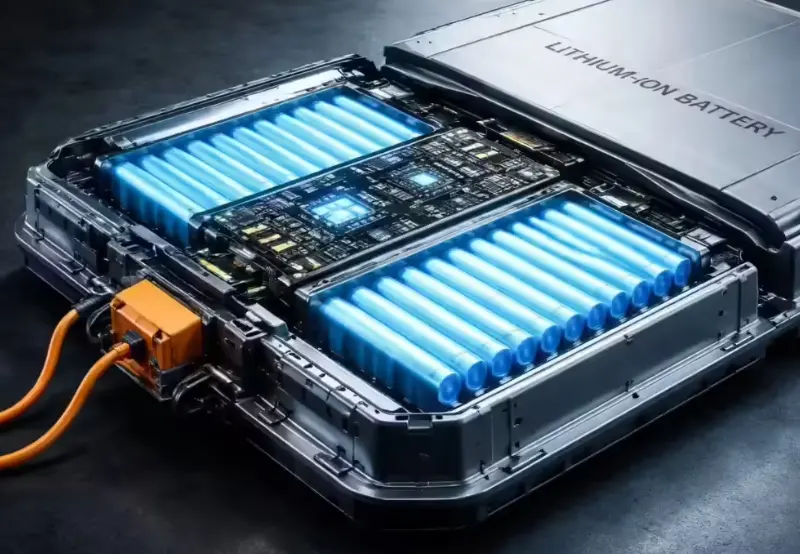
Under Budget 2026, the government has extended basic customs duty (BCD) exemptions on the import of capital goods used for manufacturing lithium-ion cells — the heart of EV batteries — and has broadened these exemptions to cover capital equipment for Battery Energy Storage Systems (BESS) as well. Capital goods include specialised machinery, tools and production equipment that are essential for cell and battery assembly, but are often imported due to high technical complexity.
By exempting these capital imports from customs duties, the Budget aims to lower the cost of setting up cell and battery production facilities. This is especially important in India, where most battery manufacturing machinery is sourced from overseas markets, and duties can significantly increase capital expenditure for domestic producers. Observers believe that reducing these upfront costs will help manufacturers invest in larger, more efficient facilities and scale production more competitively.
Potential Impact on Electric Vehicle Prices
One of the most significant bottlenecks for EV affordability is the cost of lithium-ion batteries, which typically account for a large portion — often around a third or more — of the total vehicle price. If manufacturers can produce batteries at lower costs, there is potential for EV makers to pass on some of these savings to consumers, narrowing the price gap between electric vehicles and comparable petrol or diesel models.
Industry analysts suggest that, over time, EV prices could become more competitive with internal combustion engine (ICE) vehicles, particularly in segments where price sensitivity has limited uptake. The extended tax exemptions are expected to reduce production costs and improve the viability of local battery plants, contributing to stronger supply chain development for EVs.
Industry Views and Business Confidence
Automakers and battery producers have reacted positively to the Budget’s tax relief measures. Leaders in the automotive sector have highlighted that stable and extended exemptions provide policy certainty, enabling investors to map out long-term manufacturing strategies with greater confidence. The inclusion of additional capital goods on the exemption list — beyond basic cell production machinery — is seen as a step towards strengthening the domestic EV supply chain.
According to industry experts, this move aligns with broader efforts to encourage localisation of EV components and reduce dependence on imports. As domestic battery production grows, the industry expects not just cost reductions, but also improvements in quality, innovation and global competitiveness.
Beyond EVs: Supporting Energy Storage and Renewable Integration
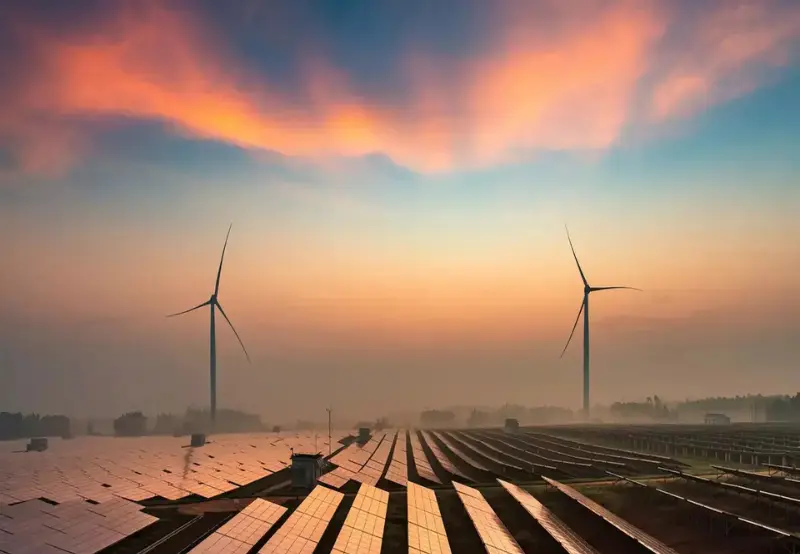
The Budget’s focus on battery tax exemptions is not limited to electric vehicles alone. By extending exemptions to capital goods used in Battery Energy Storage Systems, the government is also supporting technologies that help integrate renewable energy more effectively. Energy storage plays a crucial role in stabilising power grids with high shares of solar or wind generation, and cheaper storage technology could accelerate clean energy adoption across sectors.
Experts note that combining incentives for both EV battery manufacturing and BESS production has the potential to create economies of scale across battery technologies, benefitting not only mobility but also energy utilities, industrial consumers and decentralised power systems.
Challenges and Future Outlook
While the tax exemptions are a positive development, experts caution that price reductions for consumers may not happen instantly. It can take time for lowered capital costs to filter down through manufacturing, supply chains and final product pricing. Moreover, other factors such as logistics, raw material costs and technological efficiency will continue to influence battery and EV pricing.
Nevertheless, extending duty exemptions for lithium-ion battery infrastructure is seen as a forward-looking policy that strengthens India’s clean tech ecosystem. Coupled with other measures — such as incentives for critical mineral processing, supply chain support and clean energy manufacturing — the Budget’s approach could enhance the long-term sustainability and affordability of electric vehicles in India.