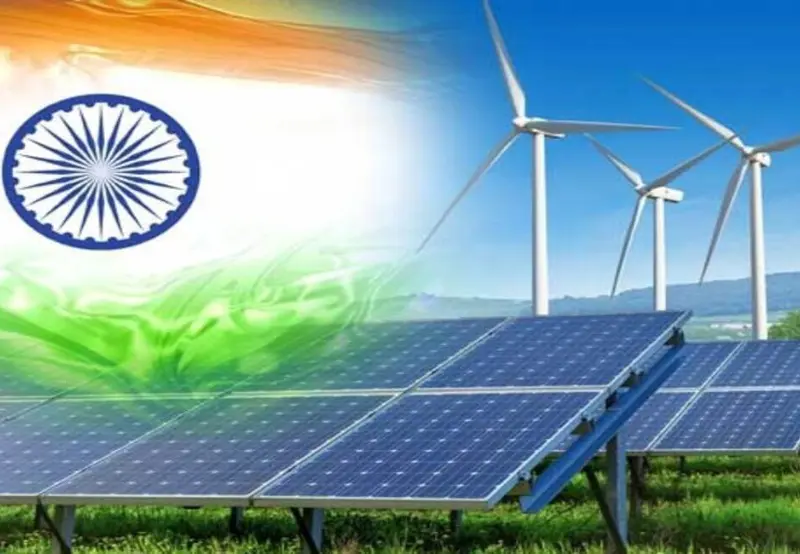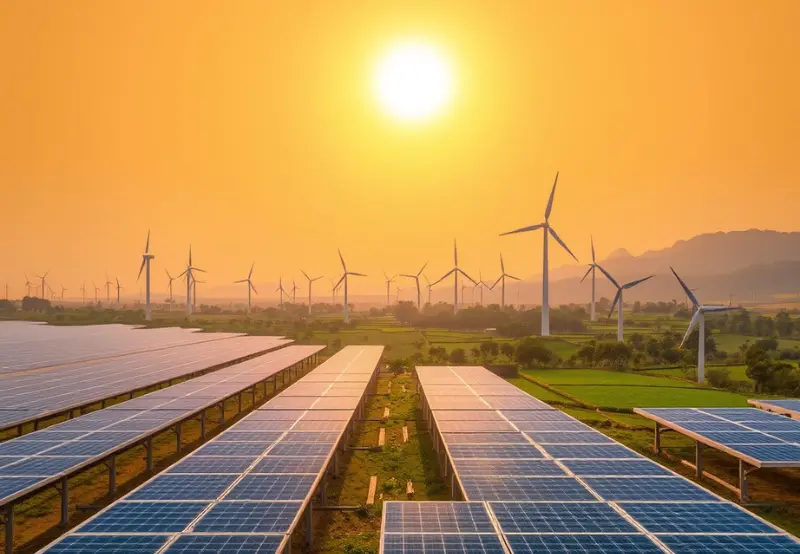

India is emerging as a global leader in the clean energy transition, driven by notable growth in solar power generation and the widespread adoption of electric vehicles (EVs). As the world seeks to reduce carbon emissions and expand renewable energy use, India’s progress reflects strong policy support, market momentum and increasing consumer demand for cleaner technologies.
Solar Power Growth: A Cornerstone of Clean Energy
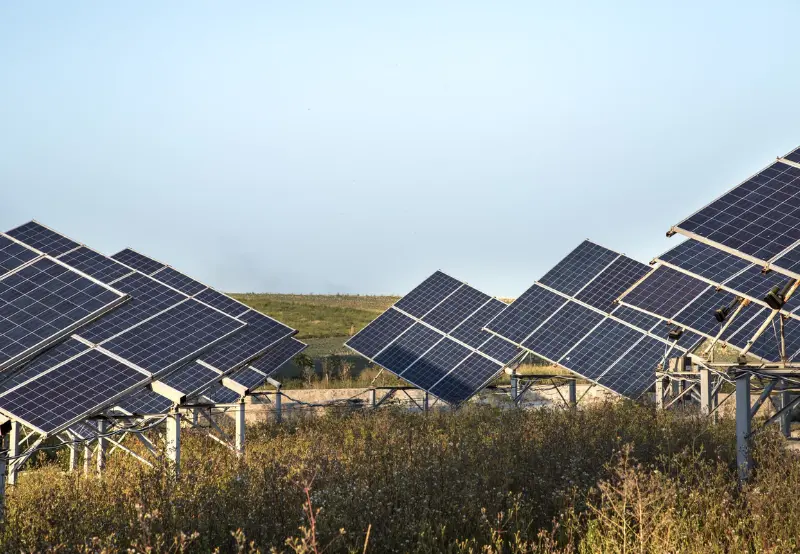
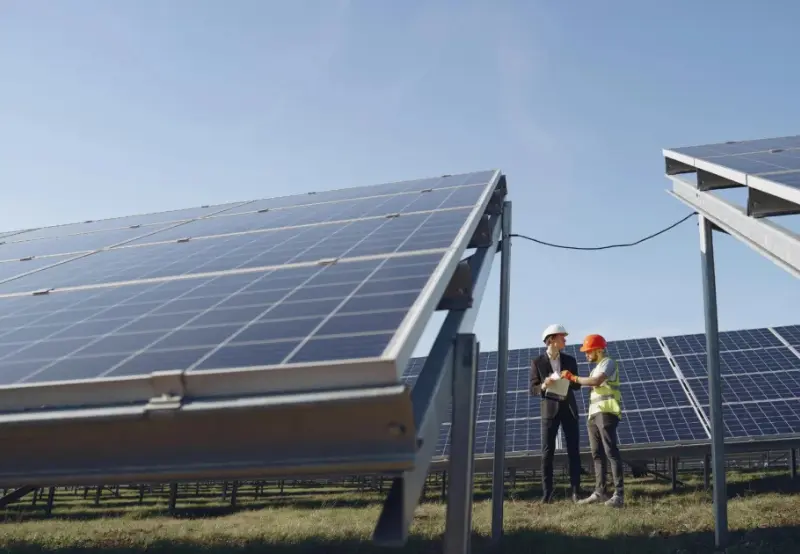
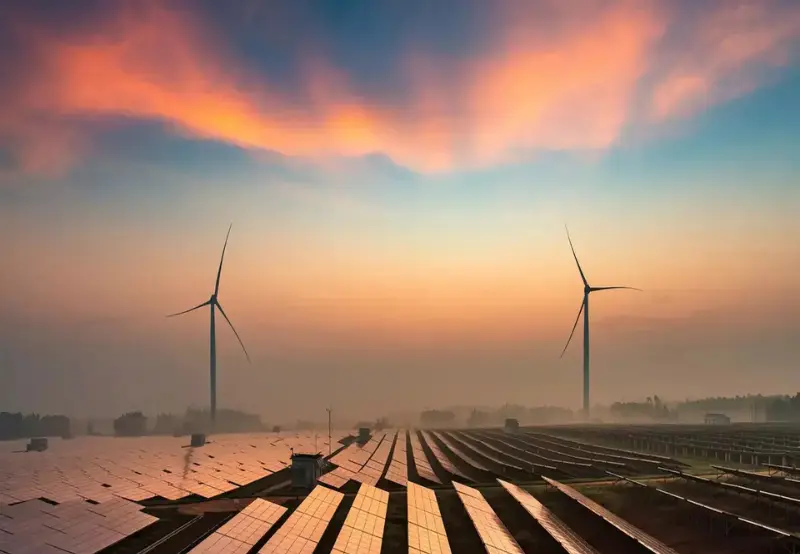
Solar energy has been at the forefront of India’s renewable expansion. Over the past decade, the country has witnessed exponential growth in installed solar capacity, with both utility-scale solar farms and rooftop solar systems contributing significantly to the national grid.
Several factors have fuelled this expansion:
- Declining technology costs: Falling prices of solar panels and associated components have made solar power increasingly affordable.
- Government incentives: Subsidies, favourable tariffs and net-metering policies have encouraged residential and commercial solar adoption.
- Corporate and industrial uptake: Businesses are increasingly investing in solar power to cut energy costs and meet sustainability goals.
India’s solar capacity growth is crucial to meeting energy demand while reducing reliance on conventional fossil fuels.
Electric Vehicles: Driving Clean Mobility
Alongside renewable energy, the electric mobility sector in India is gaining strong traction. EV adoption — particularly in the two-wheeler, three-wheeler and passenger car segments — has been supported by policy frameworks aimed at reducing pollution and fuel dependence.
Key drivers of EV adoption include:
- Subsidy programmes and tax incentives for EV purchases
- Expansion of charging infrastructure in urban and peri-urban areas
- Lower operating costs compared with internal combustion vehicles
- Growing consumer awareness of environmental benefits
Electric buses and commercial EV fleets are also being introduced in major cities, contributing to cleaner urban transport and reduced air pollution.
Policy Support and Strategic Initiatives
India’s clean energy transition is being shaped by a range of government policies and programmes:
- National clean energy targets: The country has set ambitious renewable energy goals to achieve a substantial share of power from non-fossil sources.
- Production-linked incentive (PLI) schemes: These schemes aim to boost domestic manufacturing of EV components and renewable energy equipment.
- State-level renewable energy policies: Many states have introduced favourable regulations to attract investment in clean energy projects, including solar parks and EV infrastructure.
These policy frameworks are helping create a conducive environment for private investment and technological innovation in clean energy sectors.
Economic and Environmental Benefits
The shift towards solar power and EVs is generating benefits across economic and environmental dimensions:
- Job creation: Renewable energy and EV industries are creating employment opportunities in manufacturing, installation, maintenance and services.
- Energy security: Reducing dependence on imported fossil fuels strengthens national energy security and mitigates exposure to volatile global fuel markets.
- Reduction in emissions: Increased use of solar power and EVs contributes directly to lower carbon dioxide and air pollutant emissions, improving public health and environmental quality.
Challenges and the Path Forward
Despite significant achievements, India’s clean energy transition still faces challenges:
- Grid integration: Managing variability in renewable generation requires upgrades to grid infrastructure and energy storage solutions.
- Battery supply chains: Expanding domestic battery manufacturing and securing raw materials remain strategic priorities.
- Charging infrastructure: While growing, EV charging networks need broader coverage to support long-distance travel and broader adoption.
Addressing these challenges will require continued policy support, investment in research and development, and public-private collaboration.
Conclusion: A Transformative Decade Ahead
India’s leadership in solar power and electric mobility represents a transformative shift in how energy and transport systems are evolving. With strong policy backing, technological innovation and increasing public participation, the country is well positioned to accelerate its clean energy transition.
By building on recent successes and tackling key challenges, India is not only advancing its climate goals but also setting an example for emerging economies around the world pursuing sustainable development.