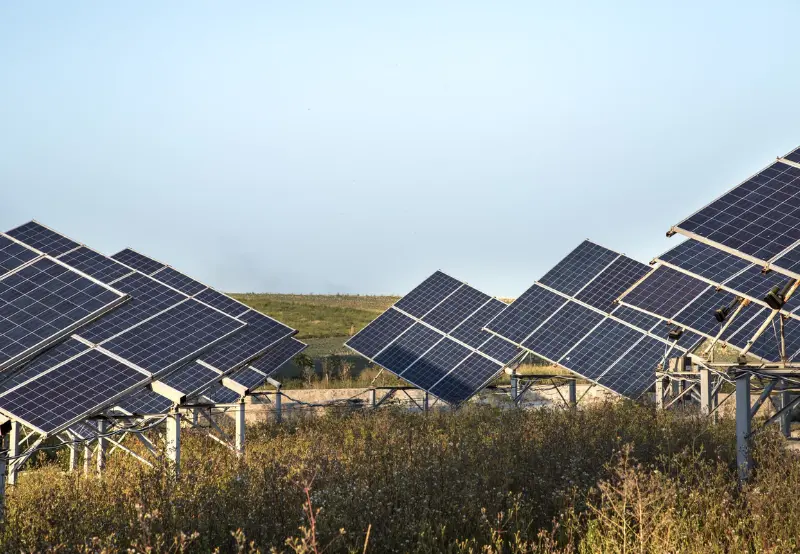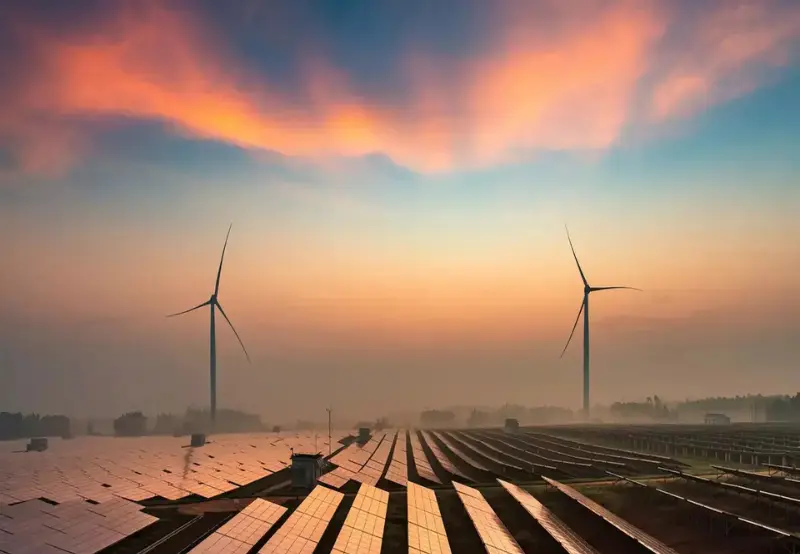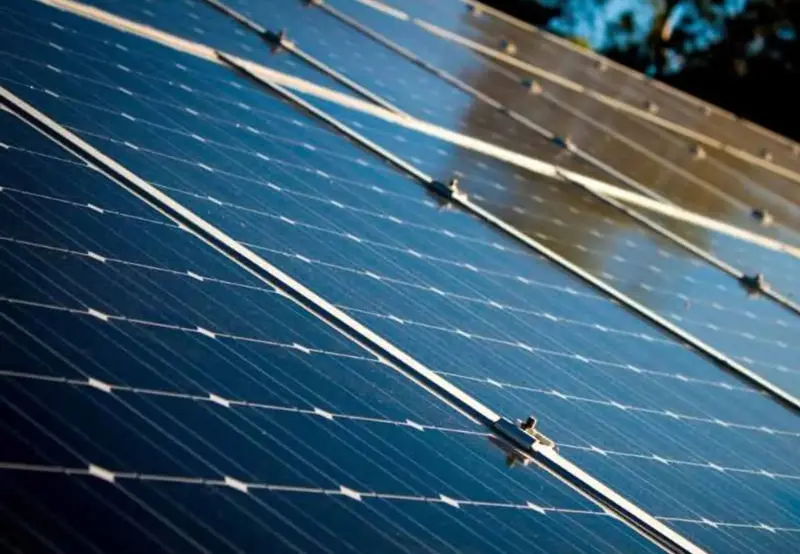

India’s solar landscape continues to evolve at an impressive pace, with the open access segment emerging as one of the fastest-growing parts of the renewable energy market. According to the Q4 and Annual 2025 Solar Open Access Market Report by Mercom India, India added 7.8 GW of solar open access capacity in 2025, marking the highest annual addition ever recorded for this segment. This robust growth reflects sustained demand from commercial and industrial consumers looking to reduce energy costs and meet sustainability targets.
What is Solar Open Access?
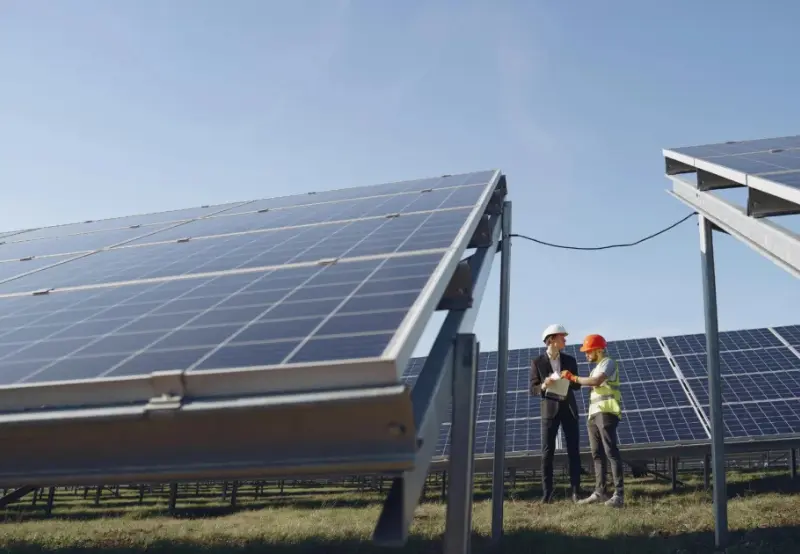
Solar open access allows large energy users — such as factories, corporate offices, and industrial parks — to source renewable power directly from solar generators instead of traditional distribution companies. This model helps businesses negotiate competitive tariffs, secure long-term green power, and reduce carbon footprints. In recent years, solar open access has become increasingly attractive as solar tariffs remain low and corporate climate commitments strengthen.
Top Five States Powering Solar Open Access in 2025
In 2025, five Indian states accounted for around 85 % of all solar open access installations, showcasing regional leaders in renewable deployment.
1. Karnataka – The Solar Leader
Karnataka topped the list, contributing nearly 24.5 % of the country’s solar open access capacity additions in 2025. The state has consistently attracted strong commercial and industrial demand for green power, driven by its strong manufacturing base and proactive renewable policies. Growth was notably strong compared to 2024, with installations rising by over 70 % year-on-year.
Despite some challenges — such as distribution companies’ reluctance to sign long-term renewable power agreements due to mismatched demand and generation patterns — Karnataka remains a leading market for renewable developers targeting C&I customers.
2. Maharashtra – Second Strongest Performer
Maharashtra came in second, accounting for about 20.3 % of the open access solar capacity added in 2025. The state’s strong industrial economy and heritage as a commercial hub have driven demand for cheaper, cleaner energy alternatives. While regulatory complexities and time-of-day tariffs have sometimes constrained growth, overall demand from large power users remains solid.
More broadly, Maharashtra’s cumulative open access capacity has historically been among the highest nationwide, second only to Karnataka in recent years.
3. Rajasthan – Solar Potential Realised
With abundant sunshine and vast land availability, Rajasthan posted the third-largest share of solar open access installations in 2025. The state has benefited from supportive policies and consistent solar irradiation, helping attract sizable investment for open access projects. Developers active in Rajasthan have capitalised on favourable conditions to serve regional industries seeking long-term renewable power agreements.
4. Gujarat – Strong Renewables Footprint
Gujarat retained its position among the top solar open access states thanks to its combination of industrial demand and enabling policy frameworks. The state’s renewable ecosystem — supported by strong grid connectivity and solar parks such as the Gujarat Hybrid Renewable Energy Park — has made it attractive for commercial and industrial stakeholders. Its continued focus on hybrid renewable infrastructure reinforces its leadership role in solar deployment.
5. Tamil Nadu – Emerging Solar Access Market
Rounding out the top five is Tamil Nadu, where solar open access installations also recorded notable growth in 2025. While Tamil Nadu offers strong renewable potential and growing corporate demand, developers have sometimes cited challenges related to grid connectivity and policy implementation. Nonetheless, the state remains a key contributor to India’s expanding solar open access footprint.
Why Open Access Matters for India’s Renewable Future
The surge in open access solar installations reflects broader shifts in India’s energy landscape:
Growing Corporate Demand: Commercial and industrial energy users are increasingly signing power purchase agreements (PPAs) with renewable generators to lock in long-term tariffs and support sustainability goals.
Peak Installations in 2025: The 7.8 GW added in 2025 represents a high point for the open access segment — underscoring how businesses prioritise energy cost savings and clean energy commitments even amid wider market headwinds.
Policy and Market Evolution: States continue to refine regulations and open access frameworks, which play a critical role in facilitating project development and grid integration.
Challenges and Opportunities Ahead
While the open access market is growing rapidly, several challenges remain:
- Regulatory Complexity: Approval processes for open access projects can vary between states and add administrative hurdles.
- Grid Connectivity: Developers often need reliable grid infrastructure to evacuate power to commercial customers efficiently.
- Dispatch Variability: Solar generation peaks during daylight hours, which may not always align perfectly with industrial demand patterns without storage solutions.
Despite these challenges, open access remains a crucial tool for India’s corporate consumers to meet sustainability targets and manage electricity costs. With continued policy refinements and increasing corporate interest, the segment is poised for further growth in the coming years.
Conclusion
India’s solar open access landscape is thriving, with 2025 witnessing record annual additions led by Karnataka, Maharashtra, Rajasthan, Gujarat, and Tamil Nadu. These states account for roughly 85 % of total capacity installed under this model, reflecting strong regional leadership in renewable energy uptake. As corporations continue to prioritise green power and states refine open access policies, this segment will play an increasingly vital role in India’s transition to a cleaner, more sustainable energy future.