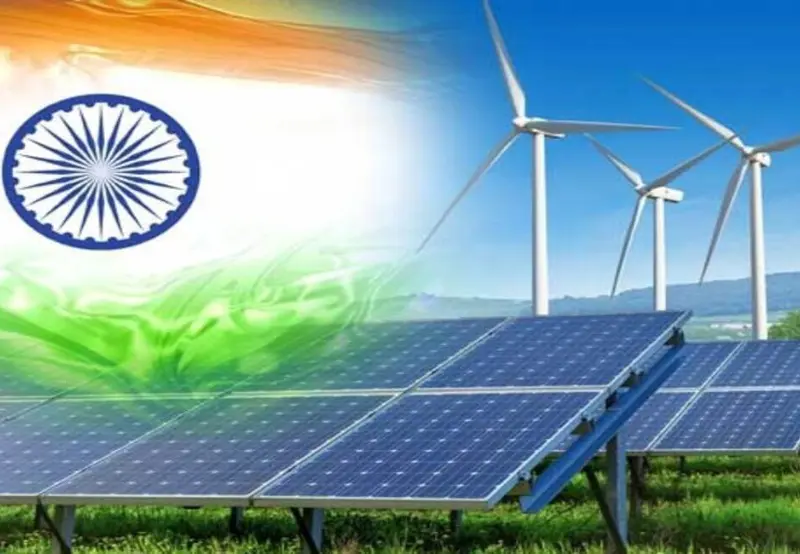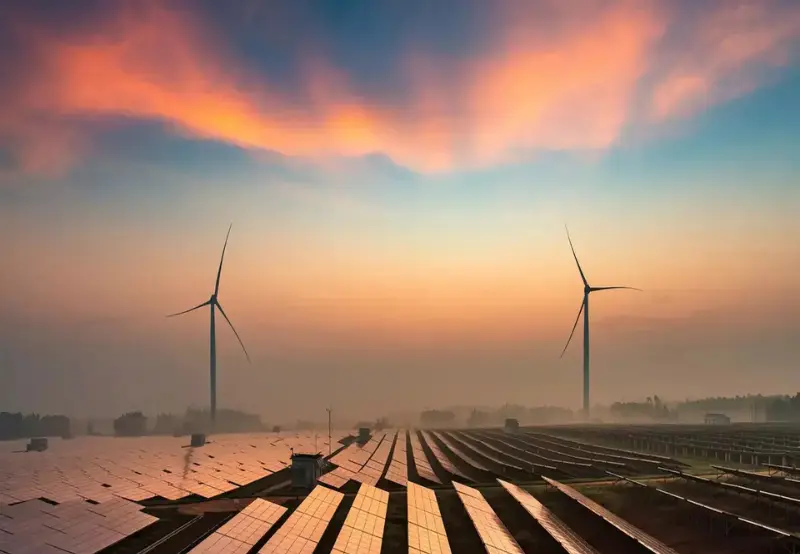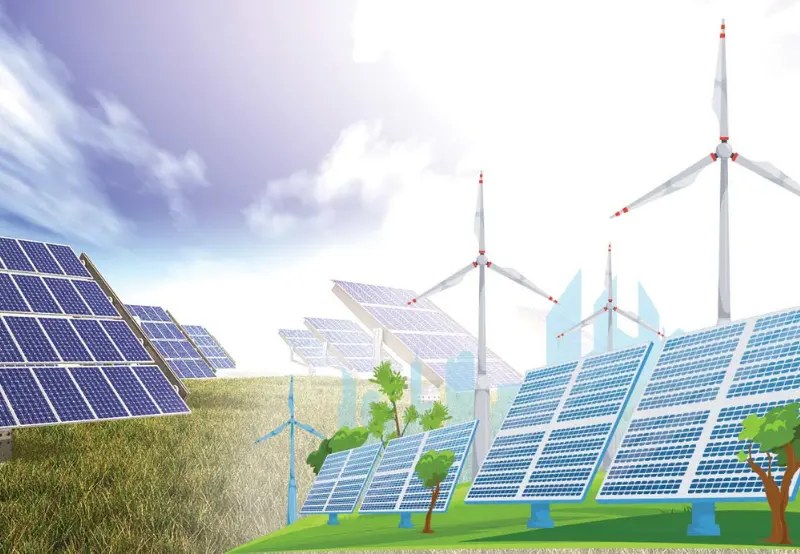

India has reached a major milestone in its clean energy transition by achieving 50% of its installed electricity capacity from non-fossil fuel sources, five years ahead of the target set for 2030 under its climate commitments. This achievement highlights the country’s rapid expansion of renewable and low-carbon power generation.
A Landmark in India’s Energy Transition
According to government data, non-fossil sources now account for around half of India’s installed power capacity. As of mid-2025, the country’s total installed electricity capacity stood at roughly 484–485 GW, with about 242–243 GW coming from non-fossil energy sources such as solar, wind, hydro, and nuclear power.
This milestone means India has already met one of its key Nationally Determined Contribution (NDC) targets under the Paris Climate Agreement, which aimed for 50% of installed electricity capacity to come from non-fossil fuels by 2030.
Key Contributors to the Milestone
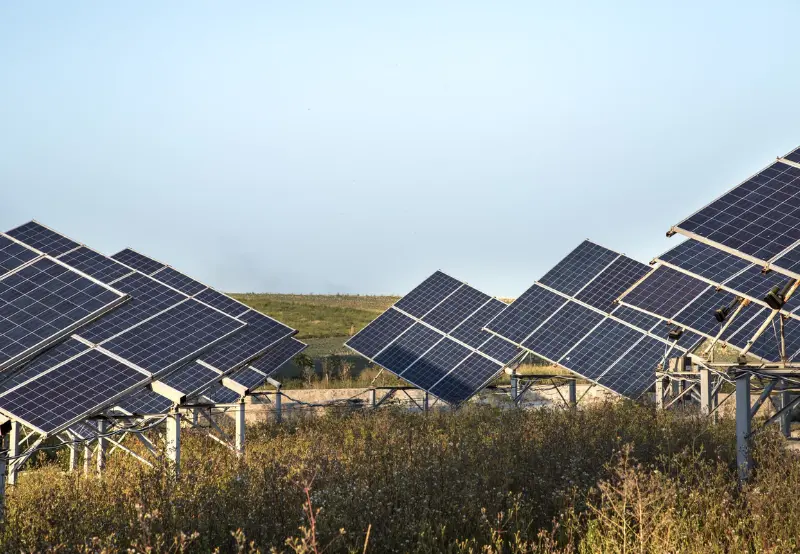
India’s progress has been driven mainly by rapid growth in renewable energy, especially solar and wind power. The country’s non-fossil capacity includes:
- Solar power – the fastest-growing segment of renewable energy
- Wind energy – a major contributor in several states
- Large hydropower projects
- Nuclear energy
Together, these sources have significantly reduced the dominance of fossil-fuel-based electricity capacity in the national energy mix.
Strong Growth in Renewable Energy
The expansion of renewable energy infrastructure has accelerated in recent years. Solar energy, in particular, has seen rapid growth due to falling technology costs and supportive government policies.
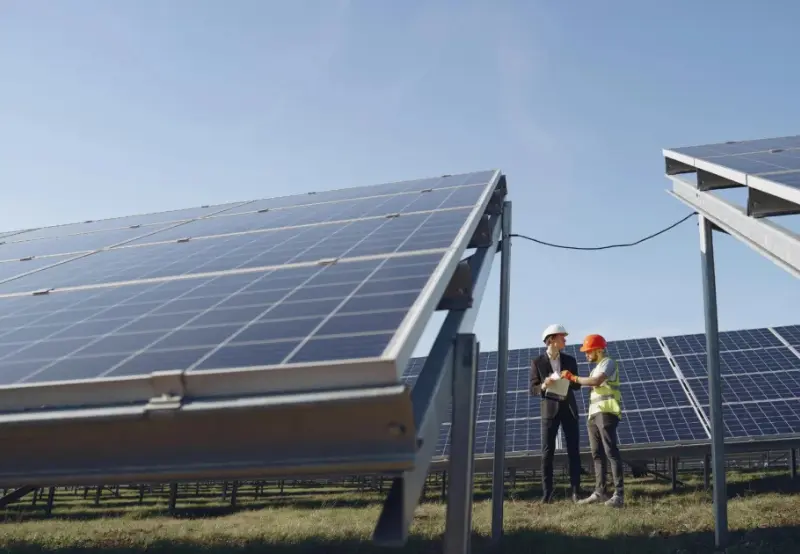
India has also recorded record renewable energy capacity additions, with significant increases in solar installations and wind power projects across the country.
Towards the 2030 Clean Energy Goal
Despite achieving the 50% capacity milestone early, India continues to push forward with ambitious renewable energy plans. The government has set a broader target of 500 GW of non-fossil fuel power capacity by 2030, which will further expand solar, wind, hydro, and nuclear energy deployment.
Achieving this goal will require:
- Continued expansion of renewable energy projects
- Strengthening transmission infrastructure
- Increased energy storage capacity
- Greater private and international investment
A Global Signal for Climate Action
India’s achievement demonstrates the country’s growing leadership in renewable energy development and its commitment to global climate action. Reaching the 50% milestone ahead of schedule reflects strong policy support, technological progress, and increasing investment in clean energy infrastructure.
As energy demand continues to grow in one of the world’s fastest-growing economies, expanding renewable power capacity will remain crucial for ensuring energy security while reducing carbon emissions.