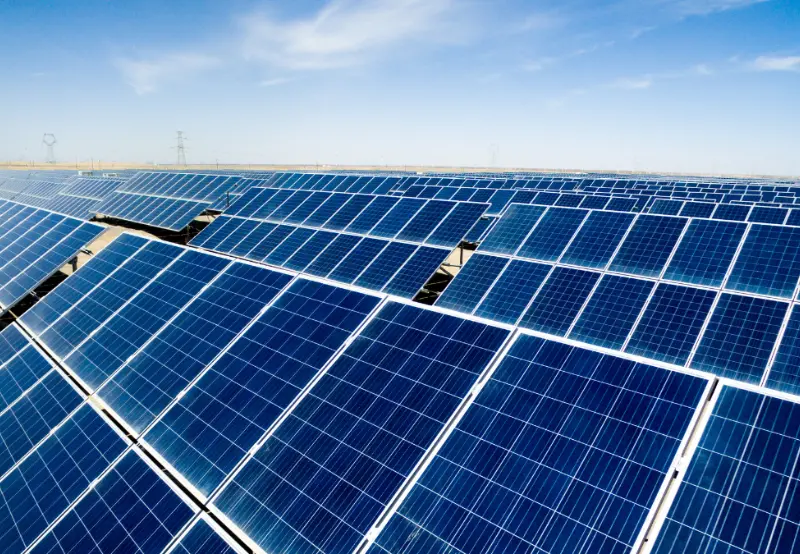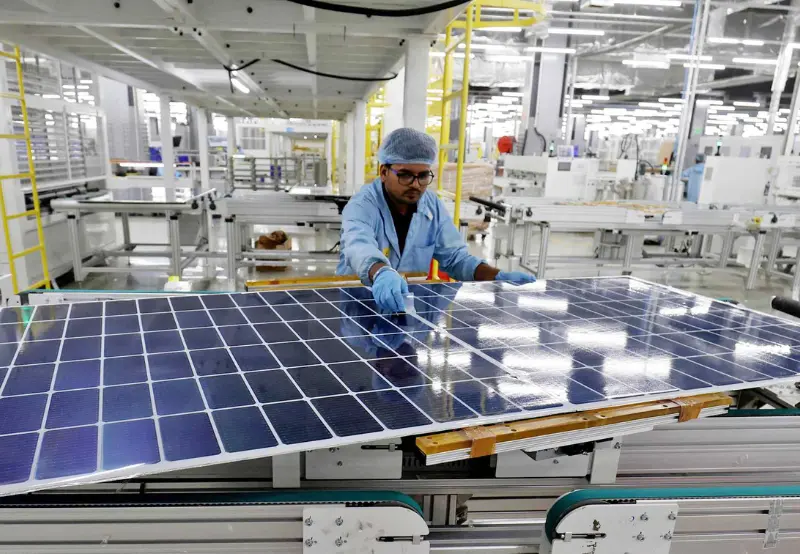

Industries across South Asia are rapidly shifting towards solar energy as geopolitical tensions in the Middle East disrupt gas supplies and drive up fuel costs. The ongoing Iran crisis has exposed the region’s heavy reliance on imported liquefied natural gas (LNG), prompting businesses to adopt cheaper and more reliable renewable energy solutions.
Solar Emerges as a Cost-Effective Alternative
In countries like India and Pakistan, industries that once depended heavily on gas and grid electricity are now turning to on-site solar power systems. For many businesses, solar energy offers significantly lower costs—often just a fraction of grid electricity prices.
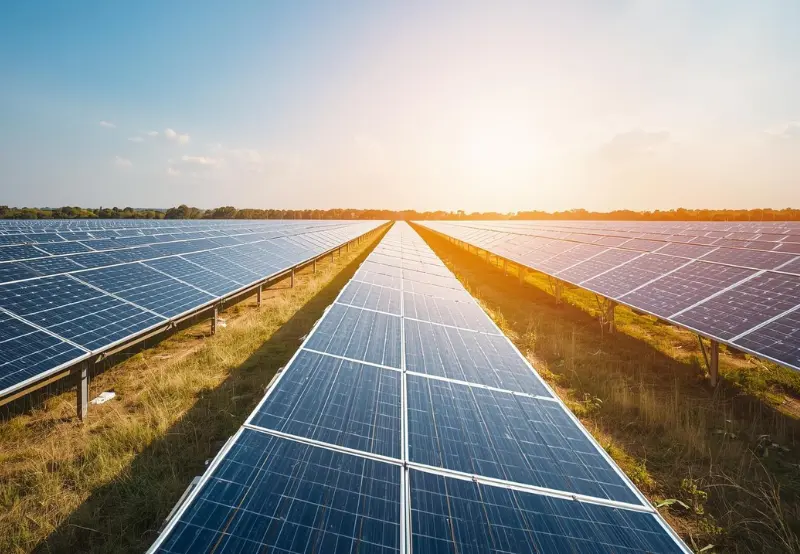
For example, a major cement company in Pakistan has installed large-scale solar arrays across its facilities, generating a substantial share of its electricity needs. This has reduced reliance on gas-fired generators, which are now used only as backup.
Impact of the Iran Crisis on Energy Supply
The shift towards solar has been accelerated by the ongoing Iran conflict, which has disrupted global energy supply chains. The closure of key shipping routes such as the Strait of Hormuz has led to sharp increases in oil and gas prices, severely affecting energy-importing countries in South Asia.
As a result, industries that rely on imported fuels are facing:
- Rising energy costs
- Supply shortages
- Increased operational risks
This has forced businesses to rethink their energy strategies and reduce dependence on volatile fossil fuel markets.
Renewable Energy as a Strategic Shift
The transition to solar is not just a short-term response but part of a long-term strategic shift. Renewable energy provides several advantages:
- Lower and more stable electricity costs
- Reduced exposure to global fuel price fluctuations
- Greater energy independence
- Lower carbon emissions
Experts note that solar power, with its zero fuel cost, is increasingly replacing expensive gas-based electricity in many parts of Asia.
Broader Regional Trend
The move towards solar is part of a wider trend across Asia, where countries are exploring renewable energy to improve energy security. In Pakistan, for instance, a growing number of households and industries have adopted rooftop solar systems to cope with power shortages and rising fuel prices.
Similarly, other Asian nations are re-evaluating their energy mix, with many accelerating investments in solar, wind, and other clean energy technologies.
Challenges Remain
Despite the rapid adoption of solar, challenges persist:
- Initial investment costs for installation
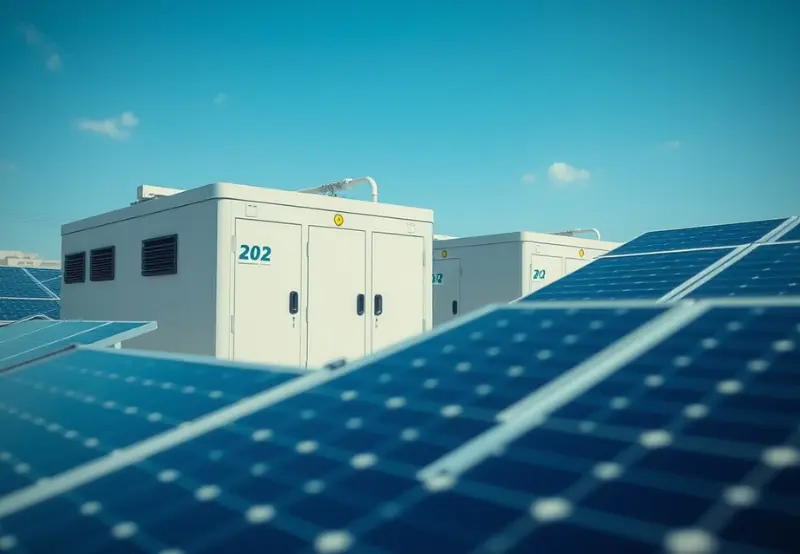
- Need for energy storage solutions
- Grid integration issues
- Dependence on sunlight for generation
However, falling solar panel prices and supportive government policies are helping overcome these barriers.
Outlook
The current energy crisis has highlighted the risks of relying heavily on imported fossil fuels. As a result, industries across South Asia are increasingly viewing solar energy as a reliable and economical alternative.
With continued investment and policy support, the shift towards renewable energy is expected to accelerate, helping the region build a more resilient and sustainable energy system.