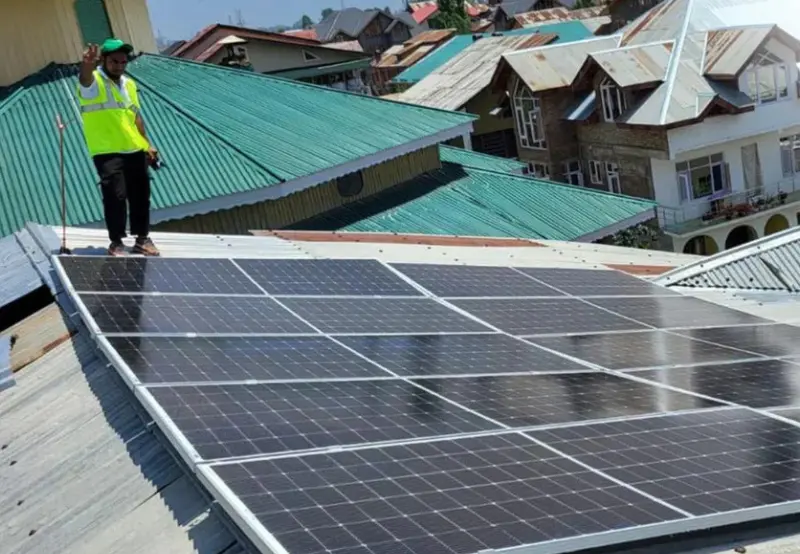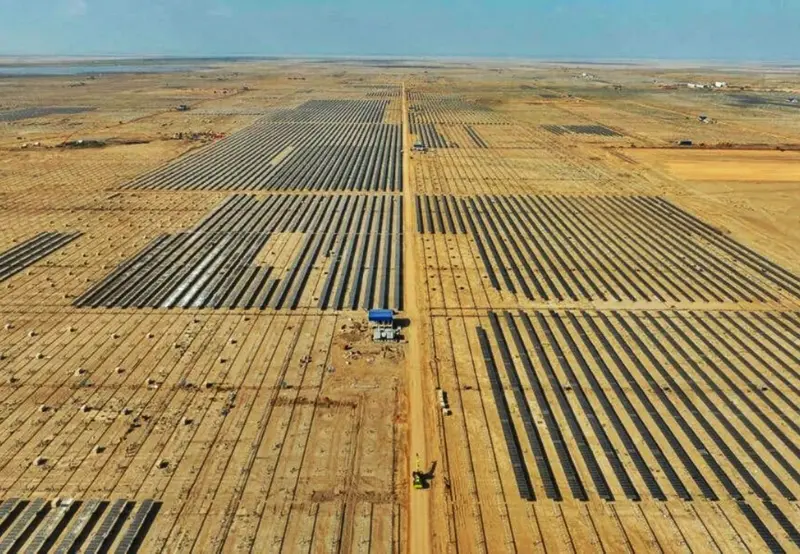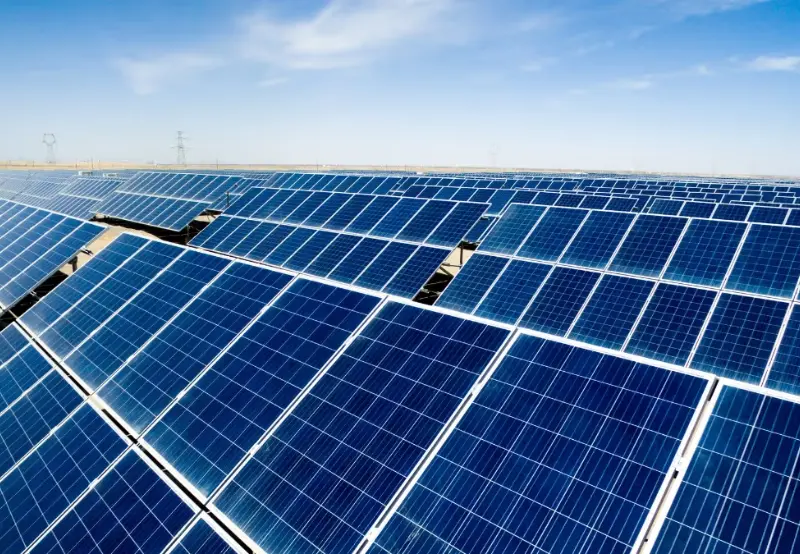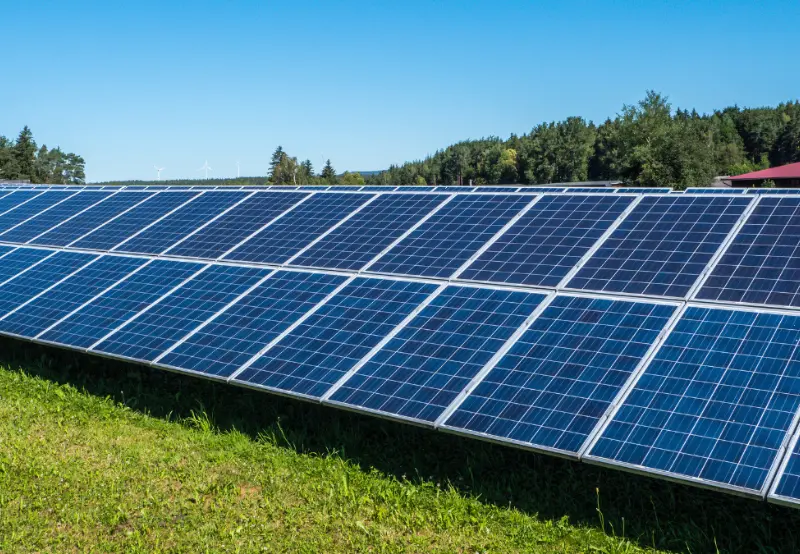

LG Electronics India (LGE India) has taken a major step towards sustainable manufacturing by signing long-term solar power purchase agreements (PPAs) with Hinduja Renewables Energy and Sunsure Energy. The agreements will enable the company to procure a total of 20.8 MWp of solar power for its manufacturing facilities.
Solar Power for Key Manufacturing Units
The renewable energy will be supplied to LGE India’s plants in:
- Pune (Maharashtra)
- Greater Noida (Uttar Pradesh)
Under the agreements:
- 9.8 MWp will be sourced from Hinduja Renewables for the Pune facility
- 11 MWp will be sourced from Sunsure Energy for the Greater Noida facility
These installations will significantly increase the share of clean energy used in the company’s operations.
Long-Term Clean Energy Commitment
Both PPAs are signed for a 25-year period and are expected to begin in the second quarter of 2026.
Through these agreements, LGE India will generate approximately 3.21 crore units of renewable electricity annually, supporting its transition towards low-carbon manufacturing.
Reducing Carbon Footprint
The shift to solar energy is expected to have a significant environmental impact. Over the lifetime of the projects, LGE India aims to:
- Offset around 0.61 million metric tonnes of CO₂ emissions
- Reduce reliance on conventional grid electricity
- Improve overall energy efficiency
At the facility level:
- The Pune plant will meet about 40% of its energy needs from solar
- The Greater Noida plant will meet around 30% of its energy needs, increasing total renewable usage to nearly 50%
First Captive Renewable Energy Initiative
This project marks LGE India’s first captive renewable energy initiative in the country, as well as its first strategic investment in renewable power generation through special purpose vehicles (SPVs).
The initiative aligns with the company’s global sustainability goals, including its commitment to the RE100 initiative, which aims for 100% renewable energy usage.
Industry Significance
The move reflects a broader trend among industrial companies in India to adopt renewable energy solutions. By integrating solar power into manufacturing processes, companies can:
- Reduce operational costs over time
- Minimise exposure to energy price volatility
- Enhance sustainability and global competitiveness
Outlook
LGE India’s solar PPAs highlight the growing importance of clean energy adoption in the industrial sector. As more companies shift towards renewable power, such partnerships are expected to play a crucial role in accelerating India’s transition to a low-carbon and energy-efficient economy.
India’s energy storage sector recorded strong growth in 2025, with 547 megawatt-hours (MWh) of battery energy storage capacity added, marking a 26% year-on-year increase compared to 2024.
Steady Growth in Energy Storage
The increase highlights the rising importance of storage systems in India’s renewable energy transition. With this addition, the country’s total installed battery storage capacity reached around 1,082 MWh (over 1 GWh) by the end of 2025.
This growth reflects how energy storage is becoming a critical component in managing India’s expanding solar and wind capacity.
Solar-Plus-Storage Leads the Market
Solar-linked storage projects dominated the sector:
- Solar-plus-storage systems accounted for over 54% of total capacity
- Around 23% came from solar-plus-wind hybrid projects
- Nearly 21% was from standalone battery storage systems
These hybrid models are gaining popularity as they help deliver round-the-clock renewable power, improving reliability.
Policy Support Driving Expansion
The growth in 2025 was largely supported by:
- Strong central and state government policies
- Increasing energy storage tenders and auctions
- Rising demand for grid flexibility and stability
In fact, agencies issued nearly 20 GW of storage tenders and auctioned about 15 GW of projects in the second half of 2025 alone, signalling strong future momentum.
Rising Demand from Industry
Commercial and industrial (C&I) consumers are increasingly adopting renewable energy and storage solutions to:
- Reduce electricity costs
- Improve energy reliability
- Meet sustainability targets
Energy storage is also helping businesses reduce dependence on diesel generators and manage peak demand more efficiently.
Key Regional Trends
States such as Bihar, Chhattisgarh, and Rajasthan emerged as leaders in installed energy storage capacity. Meanwhile, Gujarat has the largest pipeline of upcoming standalone battery storage projects.
Role in India’s Energy Transition
As renewable energy capacity continues to expand, storage systems are becoming essential for:
- Balancing supply and demand
- Managing variability in solar and wind generation
- Ensuring grid stability
India’s energy storage sector is now entering a crucial growth phase, with increasing investments and supportive policies expected to drive further expansion.
Outlook
Experts believe the sector has reached an inflection point, with installations expected to grow rapidly in the coming years. However, long-term success will depend on:
- Regulatory clarity
- Competitive bidding frameworks
- Addressing cost challenges such as higher taxes on standalone storage
Conclusion
The addition of 547 MWh in 2025 highlights India’s accelerating focus on energy storage as a backbone of its clean energy ecosystem. With strong policy support and rising demand, the sector is set to play a key role in ensuring reliable and sustainable power as the country moves towards its renewable energy goals.