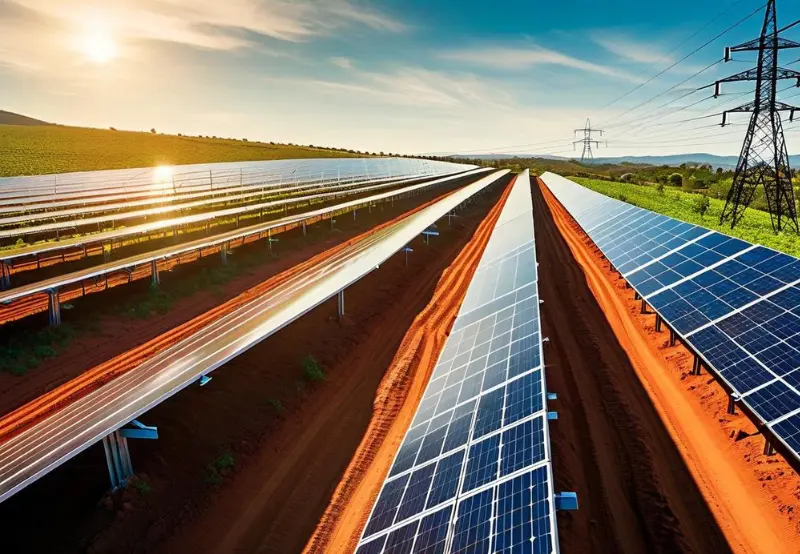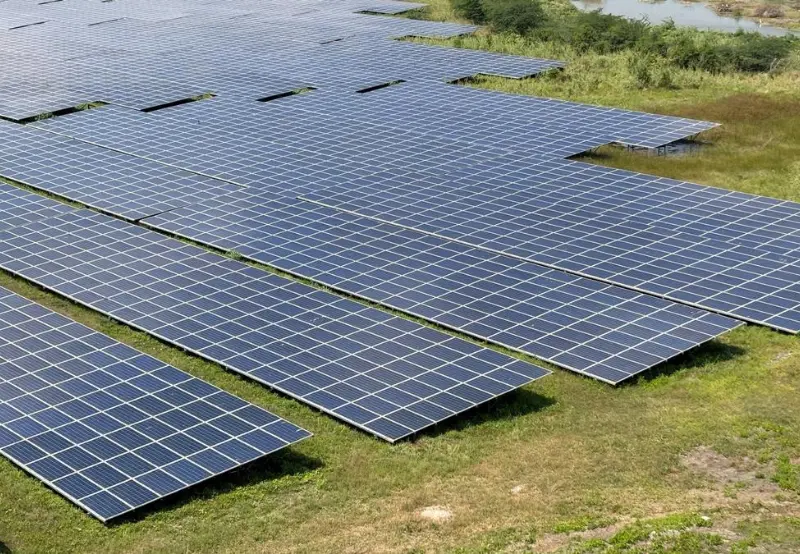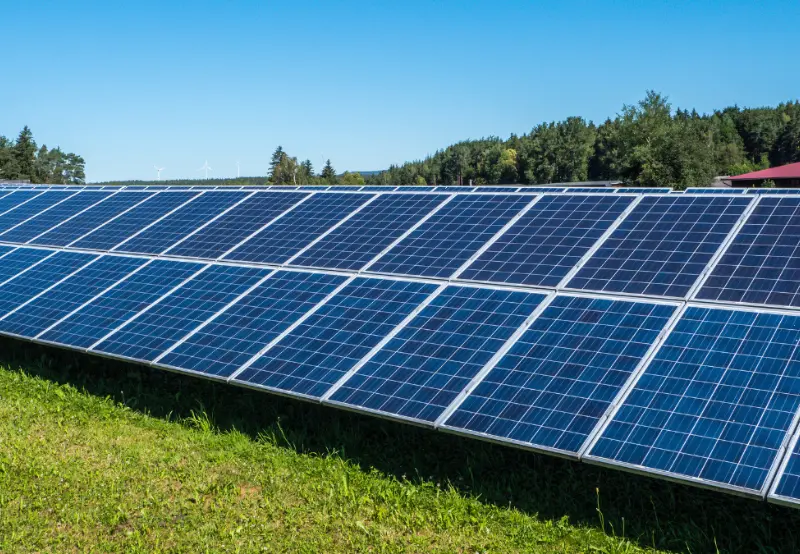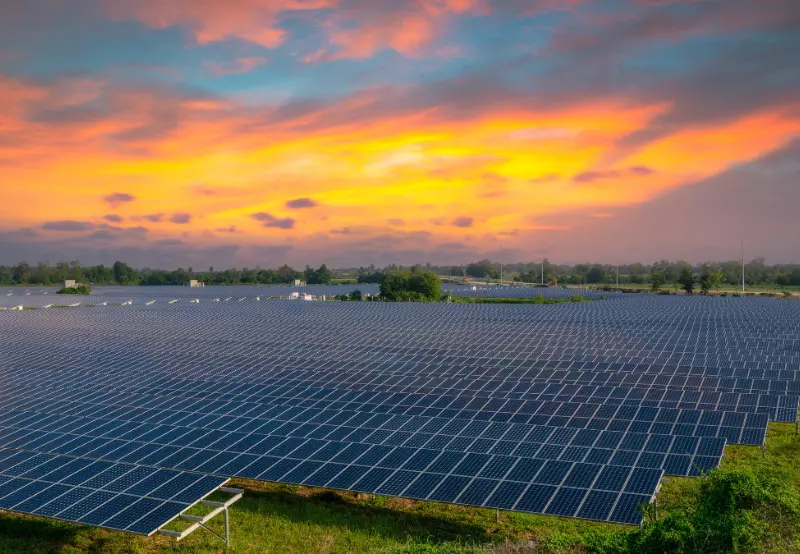

The Government of Madhya Pradesh has taken a major step towards strengthening its renewable energy capacity by signing power purchase agreements (PPAs) for 4,022 MW of decentralised feeder solarisation projects. The initiative is part of a broader effort to promote sustainable energy and improve power supply in rural areas.
Boost to Decentralised Solar Power
The projects fall under the feeder solarisation component of national renewable energy programmes, aimed at supplying clean power directly to agricultural feeders. This approach helps ensure reliable daytime electricity for farmers, reducing dependence on conventional grid power.
By decentralising solar generation, the state aims to create a more efficient and resilient power distribution system.
Benefits for Farmers and Rural Areas
The feeder solarisation model offers several advantages:
- Provides consistent daytime power supply for irrigation
- Reduces reliance on diesel pumps and grid fluctuations
- Lowers electricity subsidy burden on the government
- Encourages adoption of clean energy in rural regions
This initiative is expected to significantly improve the quality of power supply for agricultural consumers across the state.
Large-Scale Renewable Investment
The signing of PPAs for over 4 GW capacity marks one of the largest decentralised solar initiatives in India. It reflects growing investor interest and confidence in the renewable energy sector, particularly in state-led projects.
Such large-scale investments are crucial for accelerating India’s clean energy transition and meeting rising electricity demand sustainably.
Supporting National Energy Goals
The project aligns with India’s broader renewable energy targets, including the goal of achieving 500 GW of non-fossil fuel capacity by 2030.
Decentralised solarisation also supports the government’s push towards:
- Energy access in rural areas
- Reduction in transmission losses
- Increased use of locally generated power
Role of Distribution Companies
State distribution companies (DISCOMs) will play a key role in implementing these projects by purchasing solar power under the signed PPAs. This ensures a stable revenue model for developers while improving the financial health of the power sector through reduced subsidy costs.
Challenges and Implementation
While the initiative offers multiple benefits, challenges remain:
- Land availability for solar installations
- Timely project execution
- Grid integration at the local level
However, strong policy backing and coordinated efforts between stakeholders are expected to support smooth implementation.
Outlook
With the signing of these PPAs, Madhya Pradesh is positioning itself as a leader in decentralised renewable energy development. The projects are expected to come online in phases, contributing significantly to the state’s energy mix.
Conclusion
The 4,022 MW feeder solarisation initiative marks a transformative step in Madhya Pradesh’s renewable journey. By focusing on decentralised solar power, the state is not only enhancing energy reliability for farmers but also contributing to a cleaner and more sustainable power ecosystem.