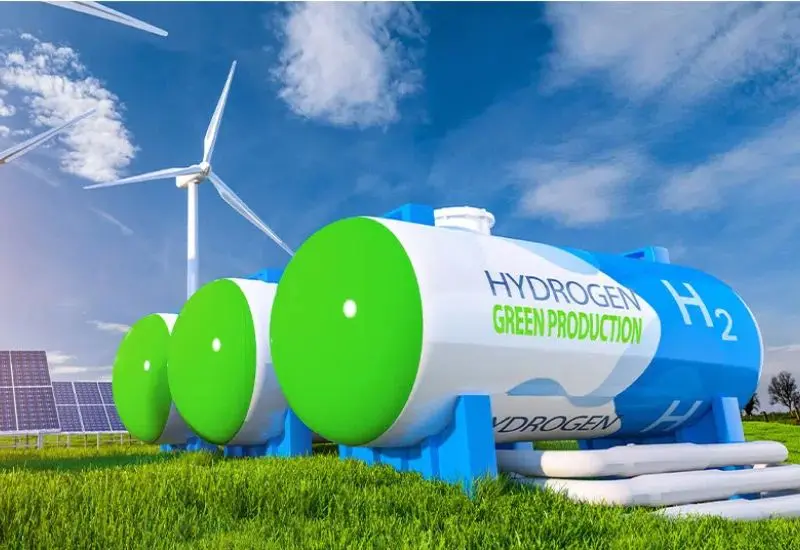

In the quest for sustainable energy solutions, green hydrogen has emerged as a promising candidate. Recent advancements have demonstrated the potential of producing green hydrogen using sunlight and seawater, offering a cost-effective and environmentally friendly alternative to traditional methods.
Innovative Approach to Green Hydrogen Production
Researchers at Cornell University have developed a prototype that efficiently produces green hydrogen by leveraging both the electrical and thermal energy from sunlight. This system utilizes photovoltaic cells to generate electricity and simultaneously harnesses the waste heat to evaporate seawater. The evaporated water is then condensed and subjected to electrolysis, splitting it into hydrogen and oxygen. This dual-use of solar energy ensures maximum efficiency and minimal waste.
Key Components and Mechanism
- Photovoltaic Cells: Convert sunlight into electricity, powering the electrolysis process.
- Thermal Utilization: Waste heat from the photovoltaic cells is used to evaporate seawater, eliminating the need for external heating sources.
- Electrolysis Unit: Splits the condensed water into hydrogen and oxygen gases.
This integrated system not only optimizes energy use but also addresses the challenge of freshwater scarcity by utilizing abundant seawater resources.
Advantages of the Sunlight-Seawater Method
- Cost-Effectiveness: By eliminating the need for freshwater and making full use of solar energy, operational costs are significantly reduced.
- Environmental Sustainability: The process produces zero carbon emissions, contributing to a cleaner environment.
- Scalability: The modular design allows for easy scaling, making it suitable for various applications, from small communities to industrial settings.
Global Implications and Future Prospects
The successful implementation of this technology could revolutionize the energy sector, especially in coastal regions with abundant sunlight. It offers a viable path toward reducing dependence on fossil fuels and mitigating the impacts of climate change. Continued research and development are essential to optimize the system’s efficiency and facilitate widespread adoption.
The integration of sunlight and seawater for green hydrogen production represents a significant stride toward sustainable energy solutions. This innovative approach not only addresses environmental concerns but also paves the way for a more resilient and diversified energy portfolio.