You’ve probably heard the buzz around micro inverters when exploring solar energy options. Everyone’s talking about better output, smarter tech, and a futuristic solar setup. But let’s cut the hype and get to the truth: Are micro inverters really worth the investment? We’re breaking it down for you with real data, practical experiences, and no-nonsense facts.
Basics of Solar Power Systems
Components of a Solar Power System
A typical solar system includes:
- Solar panels
- Inverters
- Mounting hardware
- Batteries (optional)
- Monitoring systems
Role of Inverters in Solar Energy
Inverters are the brains of your solar setup. They convert the DC (Direct Current) electricity your panels produce into usable AC (Alternating Current) electricity that powers your home.
Types of Inverters
String Inverters
These are the most common and cost-effective. One inverter handles power from an entire series (or string) of panels.
Central Inverters
Used in large-scale commercial setups, these function similarly to string inverters but on a bigger scale.
Micro Inverters – What Sets Them Apart?
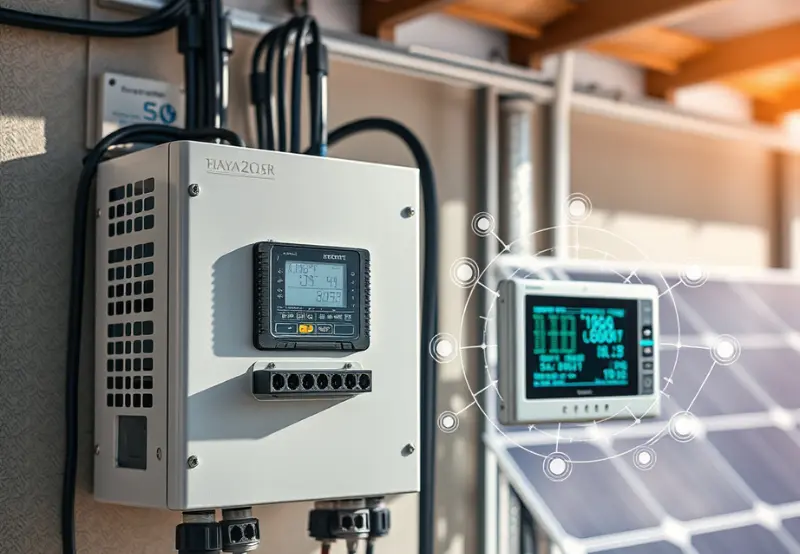
Unlike string inverters, micro inverters are installed on each individual panel, allowing for panel-level energy optimization and monitoring.
How Micro Inverters Work
Per-Panel Inversion
Each panel works independently. That means if one panel is shaded or underperforming, it doesn’t drag the others down.
Maximum Power Point Tracking (MPPT)
Micro inverters allow MPPT at each panel level, ensuring maximum energy harvesting even in partial shade.
Advantages of Micro Inverters
Better Performance in Shaded Conditions
One shaded panel in a string inverter setup can affect the entire string. Micro inverters? Not a problem. Each panel does its own thing.
Increased Efficiency and Output
According to Enphase, micro inverter systems can boost output by up to 25% compared to traditional systems in suboptimal conditions.
Scalability and Easy Expansion
Want to add a couple of panels later? Micro inverters make it easy without reconfiguring the whole system.
Individual Panel Monitoring
You can track the performance of each panel through a mobile app or portal—super handy for diagnostics.
Improved Safety Features
Micro inverters eliminate high-voltage DC wiring across the roof, reducing fire risk and increasing system safety.
Disadvantages of Micro Inverters
Higher Initial Cost
Expect to pay 10–20% more upfront. Micro inverters are more complex and costlier than string inverters.
More Complex Maintenance
If one micro inverter fails, accessing and replacing it on the roof may be inconvenient and labour-intensive.
Potential Replacement Costs
Some cheaper brands may not last as long as premium string inverters. Always check warranties!
Comparing Micro Inverters vs String Inverters
Cost-Benefit Analysis
- String inverters: Lower upfront cost, but may lose efficiency in shade or complex rooftops.
- Micro inverters: Higher upfront cost, potentially more electricity produced over time.
Real-World Performance Metrics
Tests by NREL show that micro inverters perform better in real-world conditions involving shading, dirt, and weather variability.
Installation and Maintenance Differences
Micro inverters take more time to install but offer greater flexibility and diagnostics down the line.
Ideal Use Cases for Micro Inverters
Residential Installations with Shade
Got trees, chimneys, or odd shadows? Micro inverters shine here.
Complex Roof Designs
Multiple roof planes, varying tilt angles? No worries—micro inverters adapt.
Small Commercial Setups
For businesses wanting detailed performance analytics and safety, micro inverters are a great pick.
Market Trends and Industry Feedback
What Are Installers Saying?
Installers love the plug-and-play nature of micro inverters. Many say they’ve seen fewer callbacks and higher customer satisfaction.
Customer Satisfaction Reviews
Sites like SolarReviews and EnergySage show consistently high ratings for micro inverter systems, especially from Enphase users.
Cost Consideration: Is It Justified?
Upfront Cost vs Long-Term Gain
You might pay more upfront, but increased efficiency, fewer losses, and the ability to monitor and maintain panels individually can pay off in the long run.
Warranty and Lifespan
Most micro inverters come with warranties of 20–25 years, matching solar panel lifespans. That’s a big plus.
Notable Brands Offering Micro Inverters
Enphase Energy
Industry leader. Reliable, efficient, and with one of the best monitoring apps.
APsystems
Another big player offering great performance at competitive pricing.
Generac (Pika Energy)
Known for integration with energy storage and backup solutions.
Expert Opinions and Studies
Insights from NREL
NREL confirms micro inverters outperform string inverters in partial shading and inconsistent sunlight conditions.
Solar Reviews and User Feedback
Real homeowners report better year-over-year returns, especially in shaded or complex roof layouts.
Future of Micro Inverters
Technological Advancements
Expect smarter AI-powered micro inverters, better MPPT algorithms, and longer-lasting components.
Cost Reduction Trends
As production scales, micro inverter costs are expected to decrease, making them more accessible.
Should You Choose Micro Inverters?
A Quick Decision Checklist
- Do you have shade or a complex roof? ✅
- Want real-time panel-level monitoring? ✅
- Okay with paying more upfront for long-term efficiency? ✅
If you checked two or more, micro inverters are likely worth it for you.
FINAL THOUGHTS
So, are micro inverters worth it? The answer isn’t one-size-fits-all. But if you want maximum efficiency, flexibility, and safety, especially in a residential setup with varying conditions, micro inverters are definitely worth considering. They may cost more upfront, but they offer smart, future-proof energy performance that pays back in savings, data, and peace of mind.
FAQs
1. What is the lifespan of a micro inverter?
Most micro inverters last 20–25 years, often matching or exceeding the life of the solar panels themselves.
2. Can I mix micro inverters with string inverters?
Technically yes, but it’s not recommended due to system complexity and inefficiencies in hybrid designs.
3. Are micro inverters good for commercial solar systems?
Yes, especially for small to mid-sized setups or buildings with complicated roofs or shading.
4. Do micro inverters increase energy production?
Yes, they can increase overall energy output by up to 25% in partially shaded or suboptimal conditions.
5. Are they worth the extra cost?
If you value system efficiency, safety, and individual monitoring—absolutely.