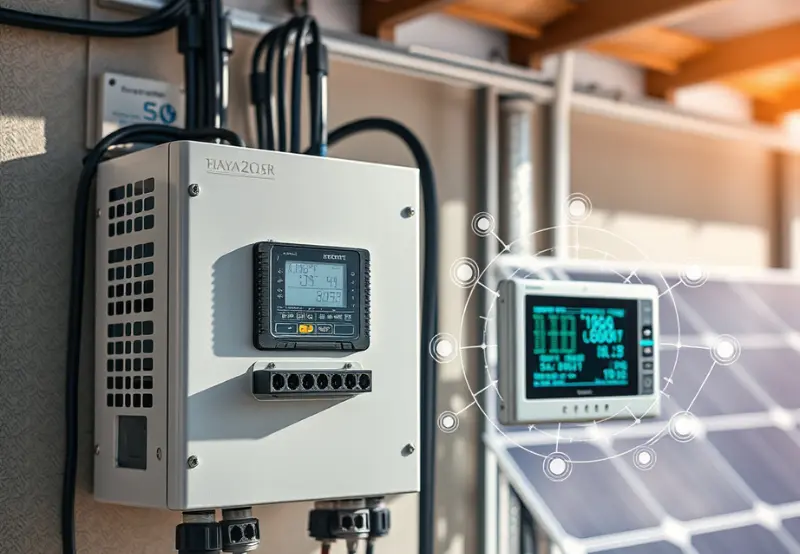

Recent reports have raised alarms over the presence of hidden communication devices, often referred to as “kill switches,” in Chinese-manufactured solar inverters. These devices, embedded within the hardware, can potentially allow external entities to control or disable power grid components remotely. Such capabilities pose significant national security risks, especially if exploited during geopolitical tensions.
In India, the reliance on Chinese solar equipment is substantial. While some inverters are assembled domestically, many still depend on Chinese software and data management systems. This dependency raises concerns about potential vulnerabilities in the country’s power infrastructure. The Indian Electrical and Electronics Manufacturers Association (IEEMA) has highlighted the risks associated with foreign automation and communication systems in the power grid, emphasizing the need for stringent security measures.
To mitigate these risks, the Indian government has initiated measures such as mandatory testing of imported power equipment for malware and other cyber threats. These steps aim to safeguard the nation’s critical infrastructure from potential cyberattacks and unauthorized access.