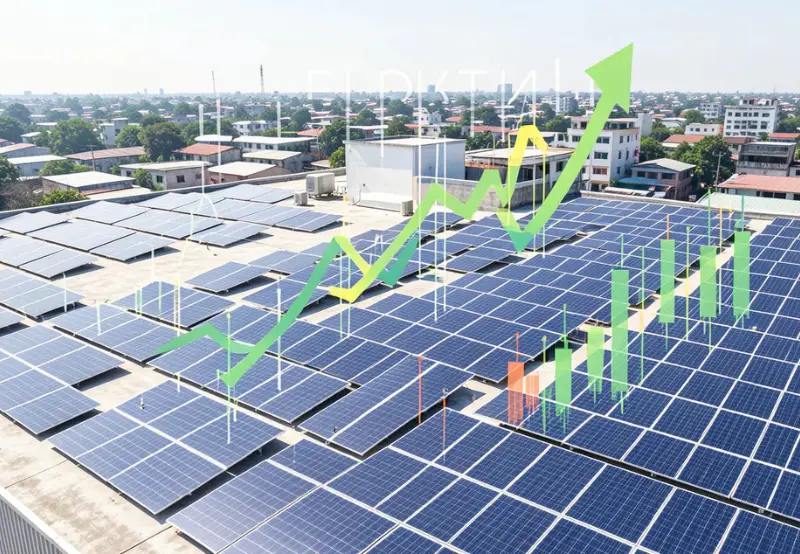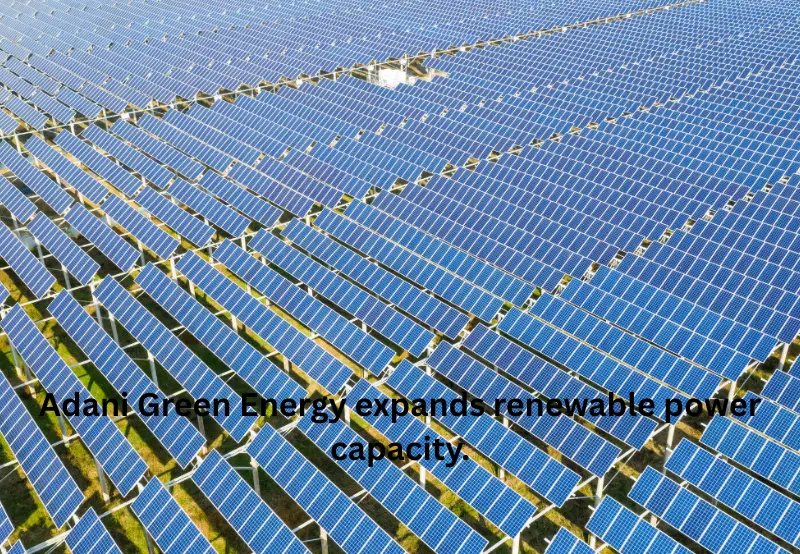

Adani Green Energy Limited (AGEL), one of India’s leading renewable energy companies, has taken a significant step in strengthening its clean power portfolio by establishing a new renewable power generation unit. The move reflects the company’s ongoing commitment to expanding solar and wind capacity and supporting India’s clean energy transition.
A Strategic Expansion in Renewable Energy
The newly announced generation unit adds to Adani Green’s growing network of solar and wind power assets across India. The company has been active in developing large-scale renewable projects, which contribute to meeting rising electricity demand while reducing reliance on fossil fuels. By adding this generation unit, AGEL aims to enhance both capacity and reliability of renewable power supply.
With India’s ambitious clean energy targets — including goals for significant additions of solar, wind and hybrid projects — investments such as this highlight the role of major private sector players in driving deployment at scale.
Boosting Clean Power Output
The new unit is expected to contribute meaningful additional capacity to India’s power grid, delivering clean electricity from renewable sources. As solar and wind technologies continue to improve in efficiency and cost-effectiveness, utilities and developers like Adani Green are increasingly turning to renewables to achieve competitive tariffs and sustainable energy solutions.
This expansion aligns with AGEL’s broader operational strategy to build a diversified and resilient renewable energy portfolio that can reliably support both base load and peak demand requirements. By integrating new generation units, the company is well positioned to contribute to grid stability while advancing national clean power objectives.
Supporting India’s Energy and Climate Goals
India has set ambitious climate commitments, including increasing the share of non-fossil fuel energy in its overall mix and achieving net-zero emissions by 2070. Projects developed by companies such as Adani Green play a key role in achieving these targets. The addition of new renewable generation capacity accelerates the nation’s shift away from coal and other high-carbon sources.
Beyond environmental benefits, renewable expansion also supports energy security by diversifying energy sources and reducing import dependence on fossil fuels. Solar and wind power projects are central to this strategy, given India’s abundant solar irradiation and substantial wind corridors.
Economic and Industrial Impact
Large renewable energy projects also contribute to local economies by creating jobs in construction, operations and maintenance. Development of new generation units usually involves collaboration with local contractors and suppliers, strengthening regional clean energy ecosystems.
For investors and stakeholders, expanded renewable capacity demonstrates confidence in long-term energy demand growth and in the regulatory frameworks that support renewable deployment. Financial institutions and markets have increasingly recognised the economic viability of renewables, further encouraging investment flows into this sector.
Looking Ahead: Continued Growth in Renewables
Adani Green Energy’s latest move signals strong momentum in India’s renewable industry. With continued policy support, technological advancements and increased financing options, the country is set to maintain its leadership in renewable power expansion among emerging economies.
As renewable capacity grows, so too does India’s ability to deliver cleaner, more affordable electricity across industrial, commercial and residential segments. Companies like Adani Green are at the forefront of this transformation, helping to accelerate the energy transition and support sustainable development goals nationwide.