Let’s face it—EVs are hailed as the heroes of clean transport. But what about their batteries? Are they as green as we think, or are we just trading one environmental issue for another? In this article, we’ll uncover the truth behind EV batteries, separating facts from fiction and exploring what’s being done to make them more sustainable.
The Truth Behind Lithium-Ion Batteries
Most EVs today use lithium-ion batteries, which have become the standard due to their energy density and performance. But the production of these batteries isn’t entirely clean.
- Lithium, cobalt, and nickel are crucial materials, and mining them can be environmentally intensive.
- However, battery tech is improving rapidly, with reduced cobalt content and enhanced recycling processes emerging.
Mining Concerns: Digging Deep into the Problem
Here’s the bitter pill—mining for EV battery materials does cause environmental disruption. Major concerns include:
- Water pollution
- Soil degradation
- Exploitation of labour (especially in cobalt mines)
That said, newer projects are focusing on ethical sourcing and environmental rehabilitation, especially in countries like Australia, Chile, and Canada.
Recycling and Second-Life Solutions
The battery’s life doesn’t end with the car.
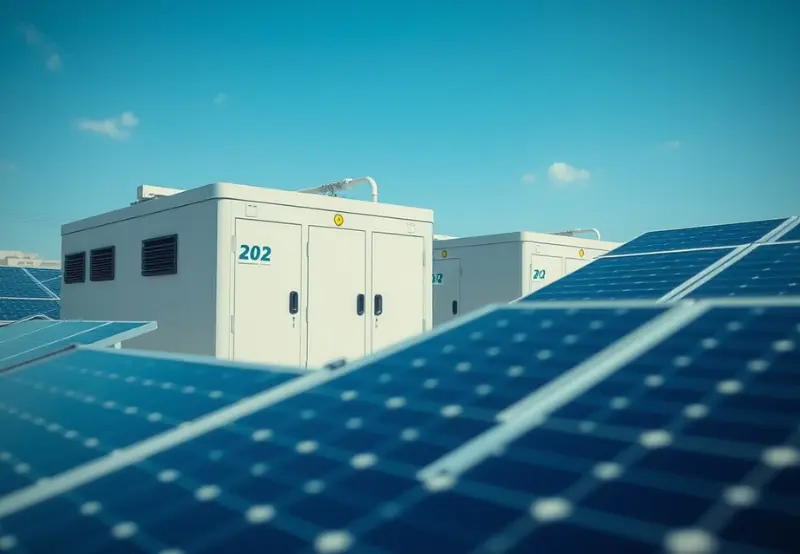
- Second-life batteries are now used for energy storage in homes and power grids.
- Companies like Redwood Materials and Li-Cycle are leading the way in recovering valuable materials.
- The EU and UK are introducing laws to ensure battery recycling becomes mandatory.
Innovations in Battery Technology
Not all EV batteries are created equal. The future is brimming with cleaner options:
- Solid-state batteries promise longer life, better safety, and easier recycling.
- Sodium-ion batteries, currently in development, could eliminate the need for rare metals altogether.
Brands like Toyota, CATL, and QuantumScape are already investing billions into these innovations.
EV Batteries vs Petrol Cars: What’s Greener?
Despite their flaws, EVs still outperform petrol cars over their lifetime.
- Studies from the ICCT and UK’s Department for Transport show that EVs emit 60-70% less CO₂ over their lifetime.
- Even accounting for manufacturing emissions, an EV becomes cleaner within 18 months of use.
The Bigger Picture: Grid and Energy Mix
The cleaner your electricity, the cleaner your EV.
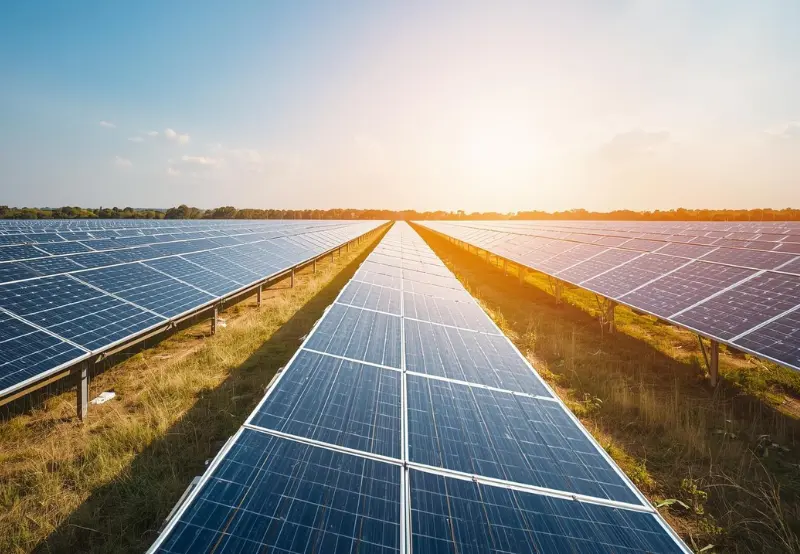
- Countries like the UK are moving rapidly towards renewable energy, making EV charging increasingly green.
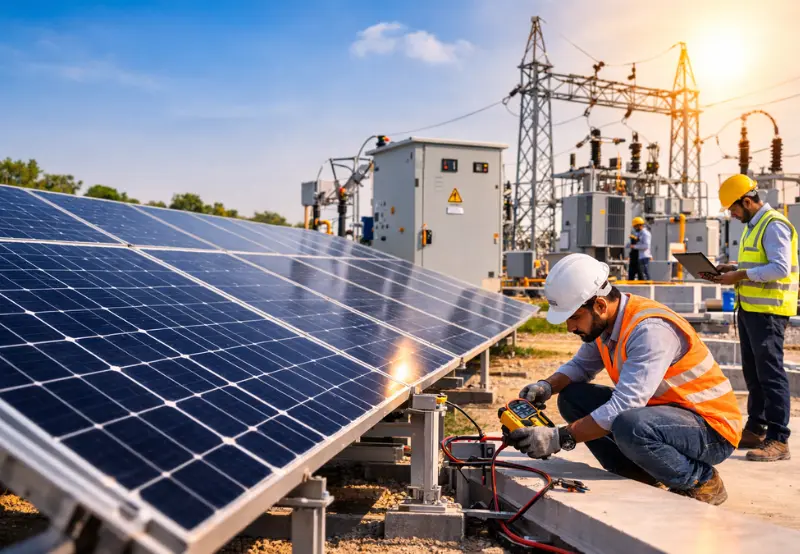
- Smart grids and home solar panels also help offset emissions.
EV batteries aren’t perfect, but they’re miles better than fossil fuels. With innovation, recycling, and ethical mining, we’re heading towards a cleaner, greener EV era. It’s not just about replacing petrol cars—it’s about rethinking how we power our lives.