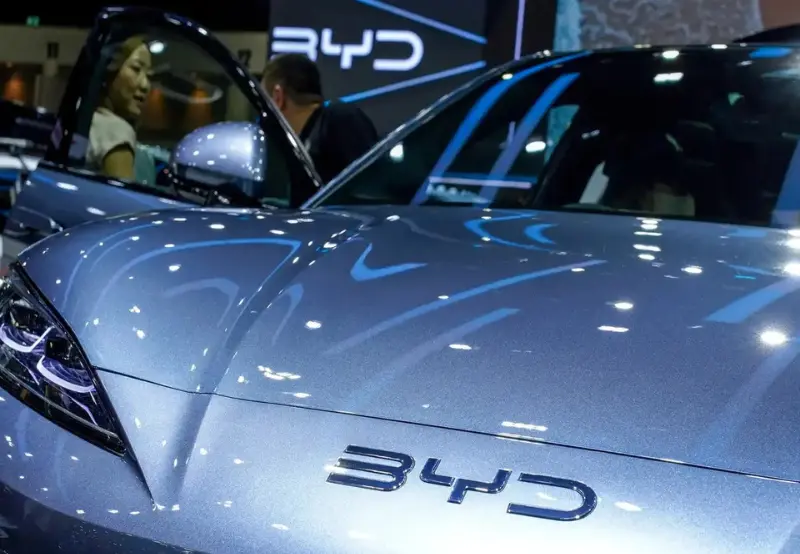

China’s electric-vehicle powerhouse BYD has officially launched legal proceedings against 37 social-media influencers in China, accusing them of defamation and spreading false or misleading content that harms its brand image. At the same time, BYD is actively monitoring another 126 accounts suspected of similar infractions .
What Triggered the Lawsuits?
On 4 June 2025, BYD’s Legal Department, via its official WeChat channel, revealed multiple ongoing defamation lawsuits. The targeted influencers reportedly made a range of claims:
- Allege BYD is manipulating influencers to discredit rivals
- Insult BYD’s vehicles or senior executives
- Spread rumours about poor safety
- Claim falsehoods about the company’s financial instability and impending bankruptcy
In several rulings, courts ordered financial penalties and public apologies:
- One influencer was fined 100,000 yuan (~£11,000) for defaming executives
- Another was penalised similarly for false safety claims
- Someone alleging BYD’s imminent bankruptcy received 60,000 yuan (~£6,600) in fines
- One individual was even detained over claims of car explosions
Li Yunfei, BYD’s Branding & PR head, emphasised in the announcement:
“We welcome media criticism and public oversight, but we will not tolerate defamatory content or false accusations. Legal action will continue.”
Incentives to Report Misinformation
To further protect its reputation, BYD operates a “News Anti‑Fraud Office” that offers rewards ranging from 50,000 to 5 million yuan (approx £6,900–£690,000) for verifiable leads on “smear campaigns” or disinformation against the company .
This bounty programme isn’t new—it began in mid‑2024 as part of China’s broader online defamation crack-down under new regulations.
Why This Matters
- Brand protection: As one of the world’s fastest‑growing EV makers, BYD is safeguarding its market position and credibility.
- Chinese legal environment: In China, defamation—especially against large corporations with government ties—can lead to civil penalties and even criminal or administrative detention .
- Global social‑media precedent: While defamation suits are not unheard of elsewhere, few markets pursue dozens of influencers simultaneously, combined with financial bounties for whistle‑blowers.
Wider Implications & Global Context
- Precedent in automaking: Other Chinese automotive giants—from Tesla in China to Great Wall and Changan—have previously taken legal action against influencers .
- Contrast with Western norms: In Western nations, reputation disputes involving influencers are rarely pursued in bulk, and punishments are typically confined to court-ordered apologies or damages, without criminal or official detentions.
BYD’s legal offensive illustrates both its growing influence and its readiness to court‑test public speech that it deems harmful. Between its lawsuits and hefty rewards for whistle‑blowers, the company is sending a clear message: misinformation won’t be tolerated. For EV owners, influencers, and media outlets alike, the takeaway is unmistakable—be accurate, be accountable, or face serious consequences.