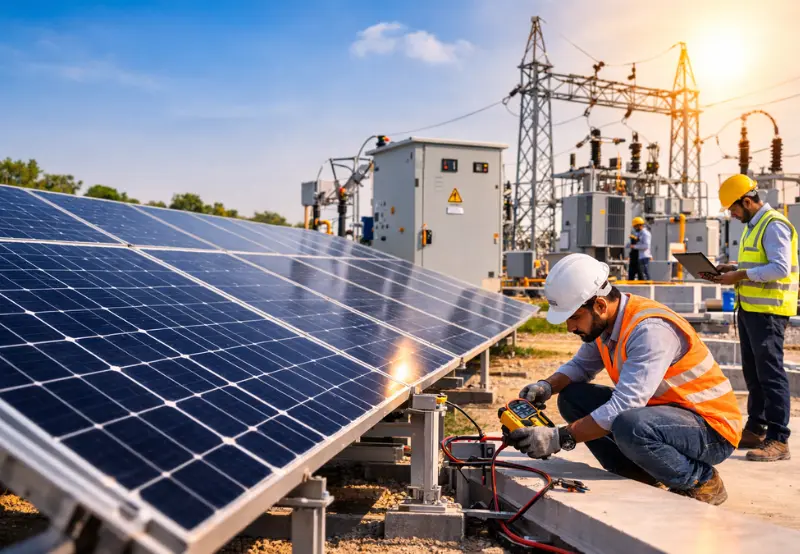
Discover how California managed another summer without Flex Alerts, thanks to a significant increase in battery energy storage capacity, ensuring grid stability during peak demand.
Introduction
California, a state known for its ambitious climate goals and renewable energy targets, has achieved a significant milestone: navigating yet another summer without issuing Flex Alerts. Flex Alerts are emergency notices encouraging residents and businesses to reduce electricity use during peak hours to prevent blackouts. For years, the state’s grid faced increasing strain due to rising temperatures, surging electricity demand, and a higher share of intermittent renewable energy sources such as solar and wind.
This summer’s success highlights a critical development: the rapid deployment and integration of battery energy storage systems across the state. With these systems now capable of balancing supply and demand efficiently, California is showing the world how advanced energy storage can strengthen grid stability and support a greener future.
The Challenge: California’s Energy Demand Peaks
California’s electricity grid is among the most complex in the United States. With a population of nearly 40 million and one of the highest per-capita energy consumptions in the country, peak demand periods—especially during hot summer afternoons—pose a significant challenge.
Historically, high temperatures drove up the use of air conditioning, increasing electricity demand beyond what the grid could reliably supply. This led to frequent Flex Alerts and, in severe cases, rolling blackouts. The situation was further complicated by the state’s transition to renewable energy, which, while beneficial for reducing emissions, introduces variability since solar output declines after sunset and wind generation can be inconsistent.
The Game-Changer: Battery Energy Storage
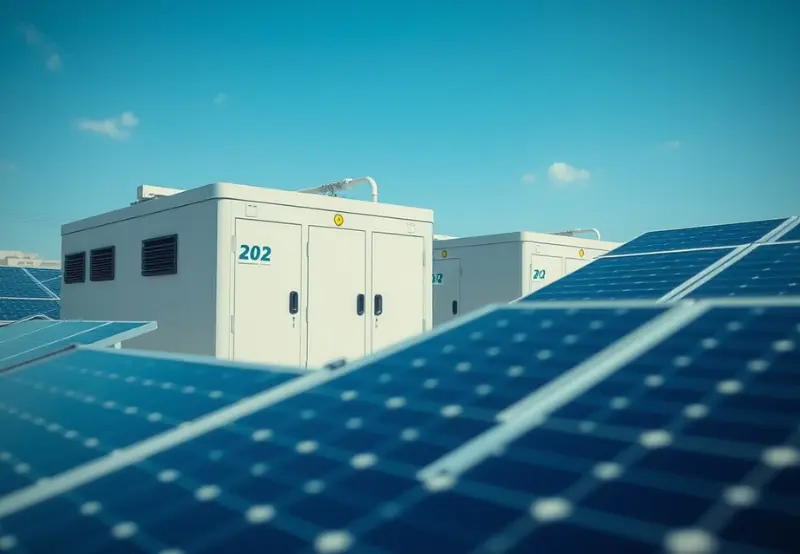
The rise of battery energy storage has been transformative for California’s grid. By 2025, the state has increased its storage capacity from approximately 500 megawatts in 2020 to over 15,700 megawatts—a staggering growth exceeding 3,000%.
Battery systems operate by storing excess electricity generated during periods of low demand, such as midday when solar production peaks, and releasing it during evening peak hours. This capability ensures that electricity supply meets demand consistently, even when renewable generation fluctuates.
Key Benefits of Battery Storage
- Grid Reliability: Batteries provide a buffer that prevents grid overload during peak consumption periods.
- Reduced Need for Fossil Fuels: Stored renewable energy reduces reliance on natural gas peaker plants, lowering carbon emissions.
- Enhanced Renewable Integration: Batteries mitigate the intermittent nature of solar and wind power.
- Cost Efficiency: By shifting energy use away from peak hours, batteries reduce electricity costs for consumers.
Why California Avoided Flex Alerts This Summer
This summer, high temperatures and record energy demand could have strained the grid significantly. Yet, the combination of battery storage, solar energy, and improved grid management prevented the need for Flex Alerts.
Several factors contributed to this success:
- Massive Deployment of Energy Storage Systems: Utilities invested in large-scale batteries at substations and alongside solar farms.
- Advanced Forecasting and Grid Management: Real-time monitoring and predictive analytics allowed utilities to balance energy supply efficiently.
- Consumer Participation: Public awareness campaigns encouraged responsible energy use, complementing the technical solutions.
By strategically combining these elements, California demonstrated that energy storage is not just a backup—it is a central component of a modern, renewable-powered grid.
The Role of Renewable Energy
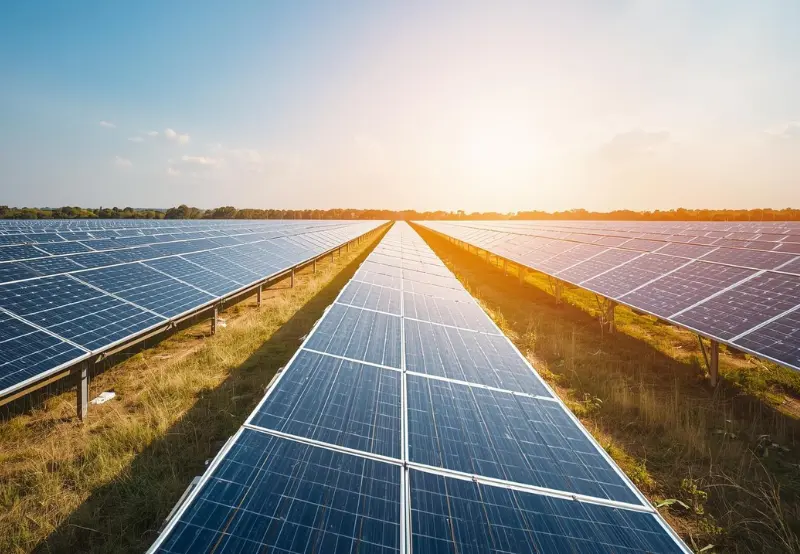
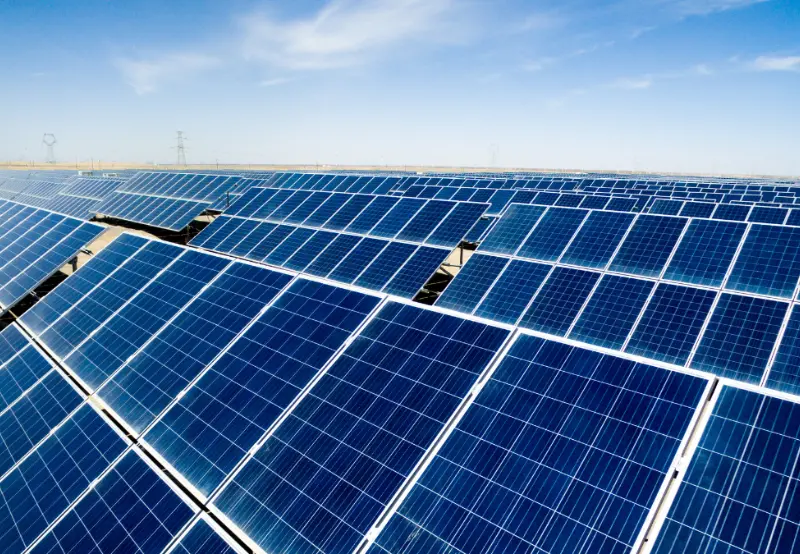
California’s leadership in renewable energy has been pivotal. The state now generates over 30% of its electricity from solar power, with wind and hydro providing additional renewable capacity. While renewables reduce greenhouse gas emissions, their variability historically challenged grid operators. Battery storage acts as a bridge, storing excess renewable power for later use, ensuring that clean energy is available even after the sun sets.
This synergy between solar energy and battery storage represents a new model for sustainable electricity management—one that other states and countries are watching closely.
Global Lessons from California
California’s success offers valuable lessons for regions worldwide facing similar challenges:
- Investment in Storage is Key: Expanding storage capacity is essential for grids with high renewable penetration.
- Integrated Energy Planning: Combining storage with renewables, demand response programs, and smart grids improves overall reliability.
- Public Engagement: Educating consumers about energy conservation during peak periods remains important.
Countries transitioning to renewable energy can replicate California’s approach, reducing blackouts and emissions simultaneously.
Future Outlook: Scaling Up Energy Storage
Despite this summer’s success, California continues to expand its battery storage capabilities. The state plans to add tens of gigawatts of storage by 2030, integrating advanced technologies such as:
- Flow batteries: Offering longer lifespans and better performance for utility-scale storage.
- Vehicle-to-grid (V2G) systems: Using electric vehicles as mobile energy storage.
- Grid-scale AI management: Optimising energy distribution in real-time for maximum efficiency.
These innovations aim to make the grid more resilient, sustainable, and capable of handling extreme weather events, which are becoming more frequent due to climate change.
Challenges Ahead
While California’s achievements are commendable, challenges remain:
- High Initial Costs: Battery installations require significant upfront investment.
- Supply Chain Dependence: Lithium, cobalt, and other materials are mostly imported, raising supply concerns.
- Maintenance and Degradation: Battery efficiency decreases over time, requiring ongoing maintenance and replacement strategies.
Addressing these challenges will be critical to ensure long-term sustainability and affordability of energy storage solutions.
Conclusion
California’s ability to navigate another summer without Flex Alerts is a testament to the transformative power of battery energy storage. By pairing storage with renewable energy, advanced grid management, and public awareness, the state has set a benchmark for energy resilience and sustainability.
As the global energy landscape shifts toward decarbonisation, California’s model demonstrates that investment in storage technology is not just an option—it is essential. With continued innovation, the state is on course to achieve a fully resilient, renewable-powered grid, offering a blueprint for the rest of the world.
Battery energy storage is no longer the future—it is the present, and California is leading the charge.
For More Energy Storage related news, Visit; Energy Storage