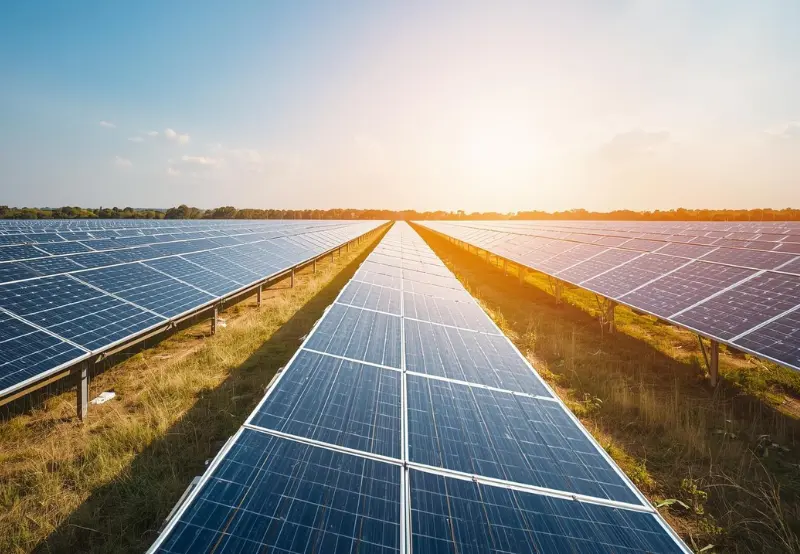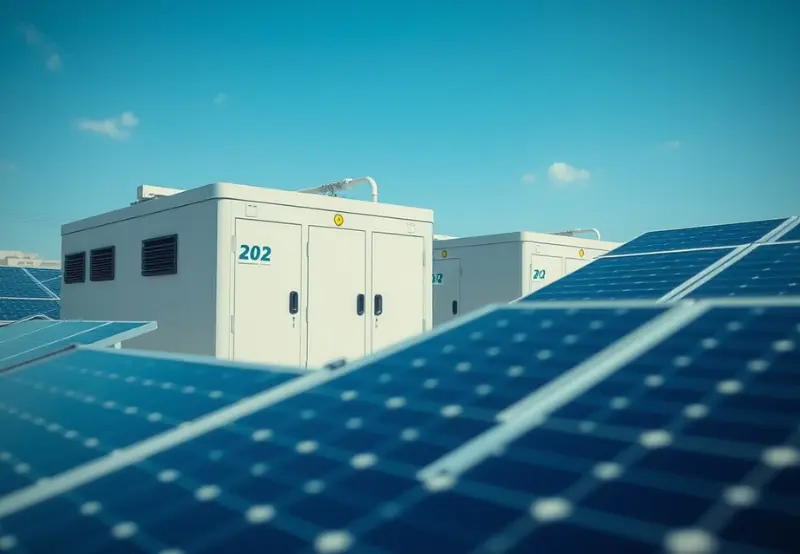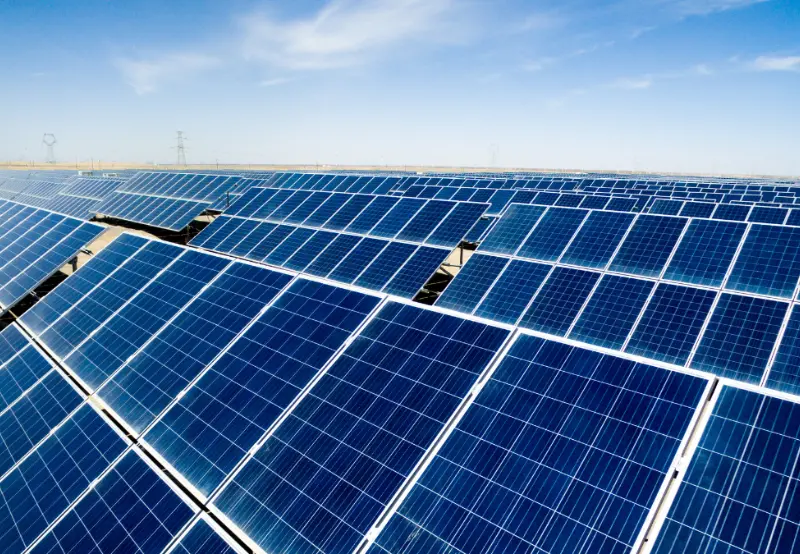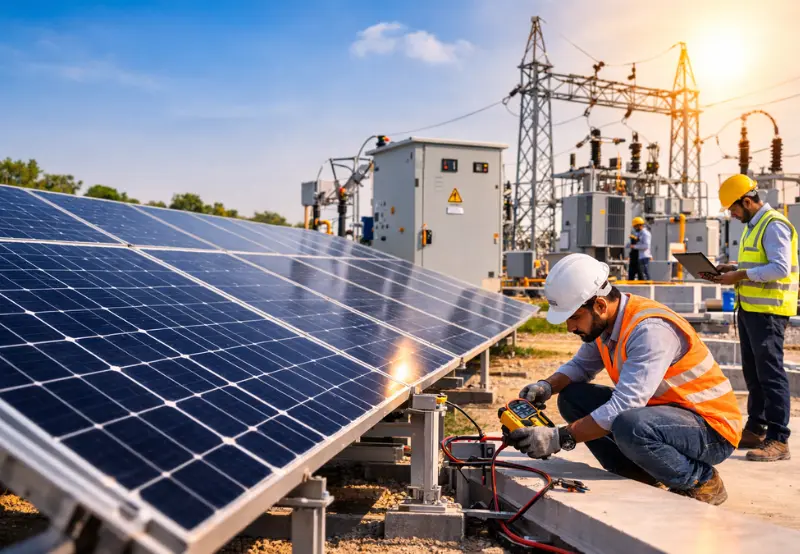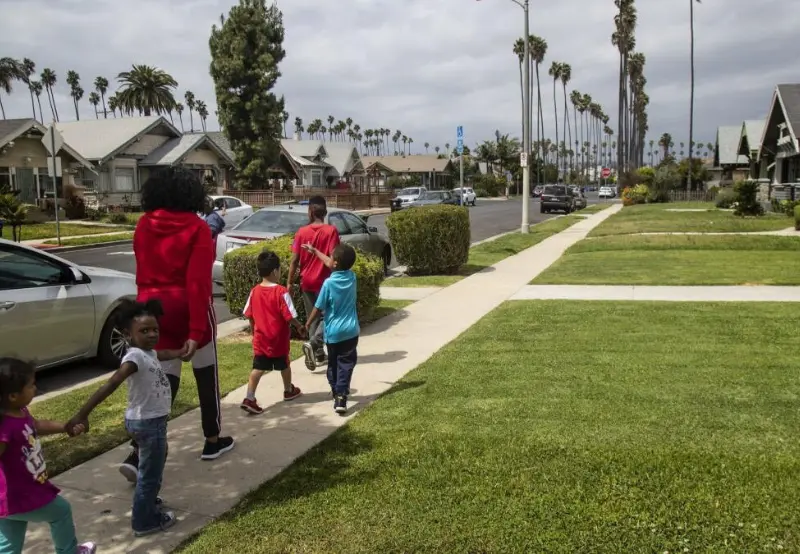

In a powerful stride towards energy equity and sustainability, California has unveiled a transformative $280 million programme designed to bring solar panels and battery storage systems to low-income households. Spearheaded by the California Public Utilities Commission (CPUC), this initiative not only promotes clean energy adoption, but also addresses the critical need for affordable and reliable power solutions amid rising utility costs and frequent climate-driven power outages.
What’s the Programme About?
The new funding package is part of the Self-Generation Incentive Program (SGIP), an existing framework that supports residential and commercial energy storage solutions. The $280 million allocation will be dedicated to equity-focused investments, ensuring that families facing economic hardship are not left behind in the clean energy transition.
This ambitious rollout will help eligible homeowners install rooftop solar systems paired with battery storage units, allowing them to generate and store their own electricity. It’s a smart move in a state where wildfires and grid shutdowns have become increasingly common.
Who Benefits?
The focus is squarely on low-income residents, including:
- Households in disadvantaged communities (DACs)
- Tenants in multi-family housing units
- Customers enrolled in income-based energy assistance programmes
By targeting these groups, California is addressing both economic inequality and energy vulnerability, making sure clean energy isn’t just for the wealthy.
Why This Matters
California is already a national leader in renewable energy, but this new initiative cements its commitment to just and inclusive energy policies. Here’s why the programme is significant:
- Lower Energy Bills: Solar-plus-storage systems can dramatically reduce monthly utility expenses for low-income households.
- Energy Resilience: Stored solar energy helps families stay powered during blackouts or emergencies.
- Climate Action: Reducing reliance on fossil-fuel-based electricity cuts greenhouse gas emissions.
- Job Creation: The demand for solar installations and battery services is likely to generate local green jobs.
How It Works
The SGIP equity budget covers a significant portion of the installation costs, with incentives ranging up to $1,000 per kilowatt-hour of battery capacity. This makes it financially viable for low-income families to go solar without heavy upfront expenses.
Installations will be coordinated through certified contractors and energy providers, ensuring safety, compliance, and maximum efficiency.
A Model for the Nation
This bold step by California could serve as a blueprint for other states looking to combine climate goals with social justice. As energy prices continue to rise and weather extremes challenge the power grid, solar and storage offer a way forward—especially for those who need it the most.
Final Thought
California’s $280 million solar and battery programme isn’t just an energy upgrade—it’s a lifeline for underserved communities, a climate-conscious policy, and a giant leap toward energy democracy.