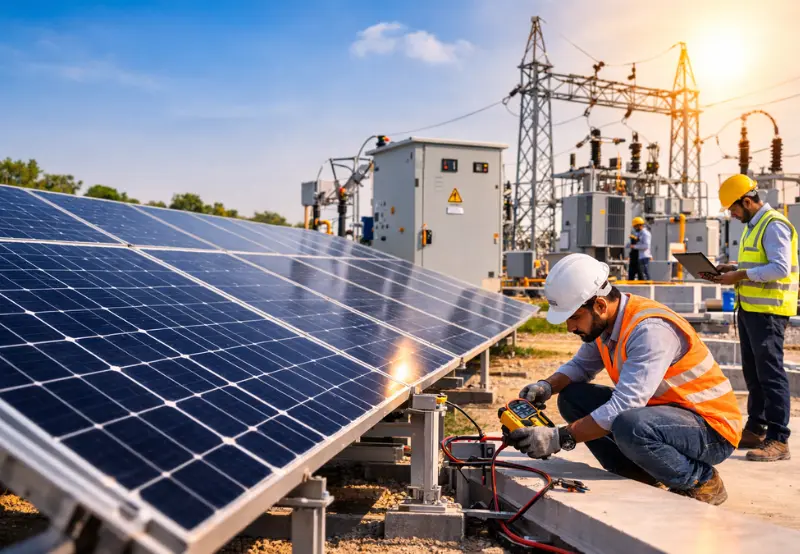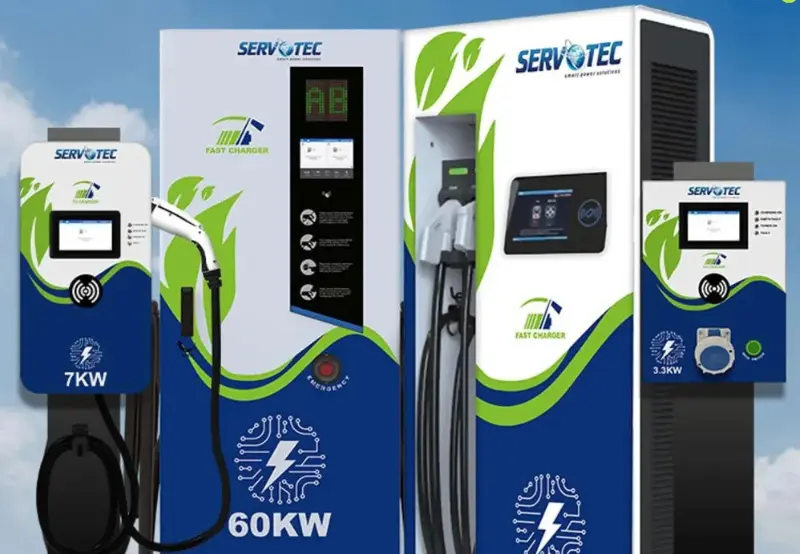

Chandigarh to launch four solar-powered EV charging and battery swap hubs with 500 kWp rooftop solar and storage, ensuring 24/7 clean mobility support.
Introduction: Chandigarh’s Green Leap
In a landmark move towards sustainable mobility, Chandigarh to launch solar-powered EV charging hubs across the city. The project will integrate four charging and battery swap stations with 500 kWp rooftop solar systems and battery storage, ensuring reliable, round-the-clock operations.
This initiative makes Chandigarh one of the first cities in India to deploy fully solar-powered EV infrastructure, reinforcing its role as a model smart city for clean energy adoption.
Project Overview: Solar-Powered EV Charging + Battery Swap Hubs
The plan includes:
- Four hubs strategically located across the city.
- Solar-powered charging for cars, scooters, and three-wheelers.
- Battery swap facilities for quick turnaround, reducing downtime.
- Integrated storage to ensure uninterrupted service even after sunset or during cloudy conditions.
This combination of charging and swapping provides flexibility for different EV users, making it both practical and scalable.
Why This Project Matters
EV adoption in India is rising, but charging infrastructure remains a bottleneck. Chandigarh’s project is significant because it:
- Reduces dependency on the conventional grid.
- Provides clean energy charging directly from solar.
- Ensures energy security and reliability with storage.
- Sets a benchmark for other cities to follow.
It’s a step closer to achieving India’s climate goals while also promoting sustainable urban planning.
Rooftop Solar Integration – 500 kWp Capacity
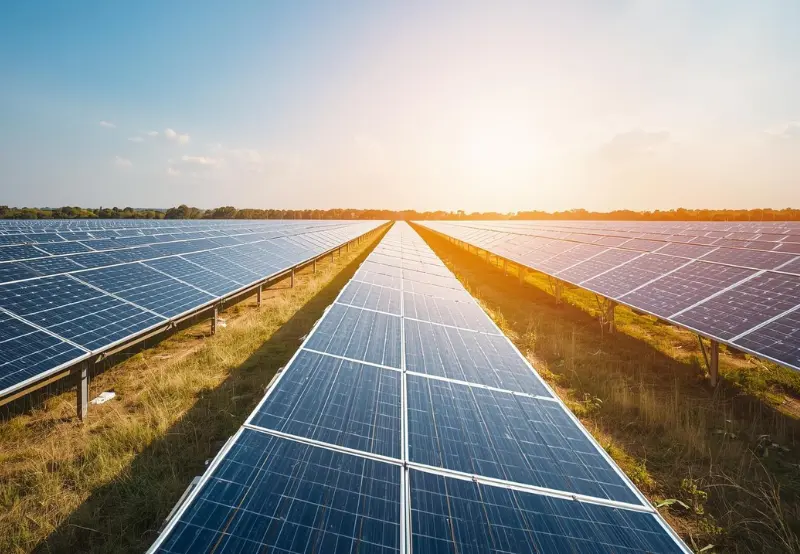
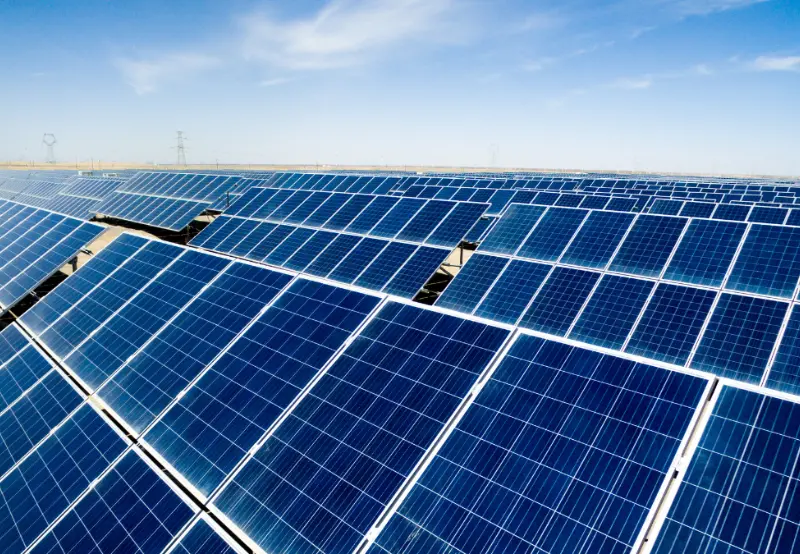
The project will deploy 500 kWp rooftop solar panels across the hubs. This capacity is capable of generating significant daily clean energy, offsetting fossil-fuel-based electricity consumption.
By harnessing rooftop spaces, the project maximises land efficiency while reducing operational costs.
Role of Battery Storage in 24/7 Operation
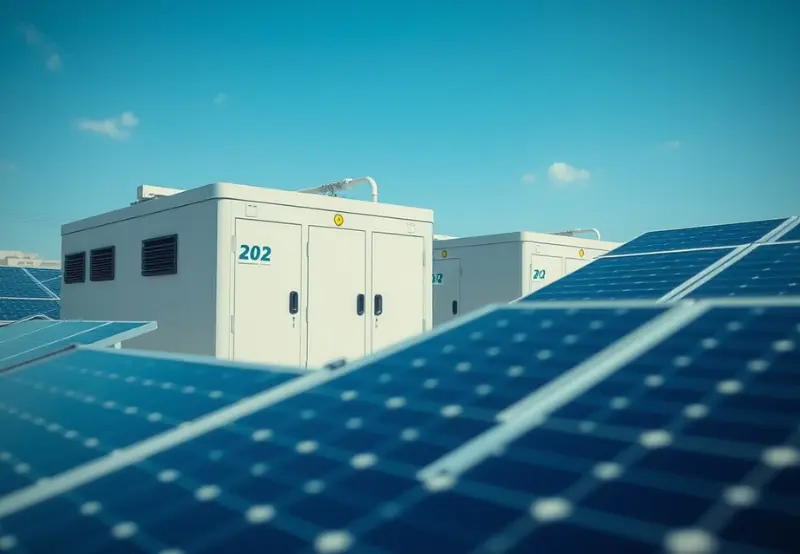
One of the biggest challenges with solar is intermittency. To tackle this, the hubs will integrate battery storage systems:
- Stores excess solar energy generated during the day.
- Provides continuous operation even at night.
- Helps in grid balancing by reducing peak-hour demand.
This ensures that EV users have reliable access to clean energy round-the-clock.
Benefits for EV Users and the City
- Convenience for EV Owners – Charging + battery swapping offers flexible options.
- Reduced Pollution – Solar charging cuts carbon emissions, improving city air quality.
- Lower Charging Costs – Solar power reduces dependency on costly grid power.
- Smart City Model – Reinforces Chandigarh’s role as a leader in sustainable development.
- Job Creation – Operation and maintenance of hubs create local employment opportunities.
Challenges and Considerations
While the project is promising, challenges remain:
- High upfront investment in solar and storage systems.
- Scalability – Replicating the model in other cities requires careful planning.
- Battery lifecycle management for swap stations.
Overcoming these hurdles will be key to ensuring the long-term success of such projects.
India’s EV and Renewable Energy Synergy
This initiative highlights the natural synergy between EV adoption and renewable energy. By pairing solar with EV charging:
- India reduces its dependency on coal-powered electricity.
- EVs become truly zero-emission vehicles.
- The grid becomes more resilient with distributed energy resources.
With India targeting 30% EV sales by 2030 and 500 GW renewable capacity, such projects are essential building blocks for the clean energy future.
Final Thoughts
The announcement that Chandigarh to launch solar-powered EV charging hubs is more than just a local development—it is a template for India’s urban energy future.
By integrating 500 kWp rooftop solar, storage, and battery swapping, Chandigarh is proving that smart cities must also be clean cities.
This initiative not only supports EV adoption but also strengthens India’s renewable energy transition, setting an example for metropolitan and tier-2 cities alike.
For more stories on India’s renewable energy and EV growth, explore EV News