
EV Manufacturing Hub Growth in Chhatrapati Sambhajinagar brings ₹71,000 crore investments and 62,000 jobs, making it India’s emerging EV capital.
Introduction: EV Manufacturing Hub Growth in India
The global shift to clean mobility is reshaping India’s industrial map, and at the heart of this transformation is EV Manufacturing Hub Growth. Chhatrapati Sambhajinagar (Aurangabad), a historic city in Maharashtra, is now being billed as the EV manufacturing capital of India.
With over ₹71,000 crore in proposed investments and an employment potential of nearly 62,000 jobs, the city is emerging as a cornerstone in India’s electric vehicle (EV) ecosystem.
Why Chhatrapati Sambhajinagar?
Chhatrapati Sambhajinagar has long been an industrial base with a strong automotive presence, housing leading auto component makers. Its strategic location along the Nagpur–Mumbai Samruddhi Highway and proximity to the Delhi–Mumbai Industrial Corridor (DMIC) makes it a natural choice for EV manufacturing.
Advantages include:
- Excellent connectivity to major markets.
- Strong existing automotive supply chain.
- Skilled workforce with manufacturing experience.
₹71,000 Crore in Potential Investments
The EV Manufacturing Hub Growth story here is backed by significant financial commitments. According to official reports, over ₹71,000 crore worth of projects have been proposed under state and central initiatives.
These projects cover:
- EV assembly plants for two-wheelers, three-wheelers, and passenger vehicles.
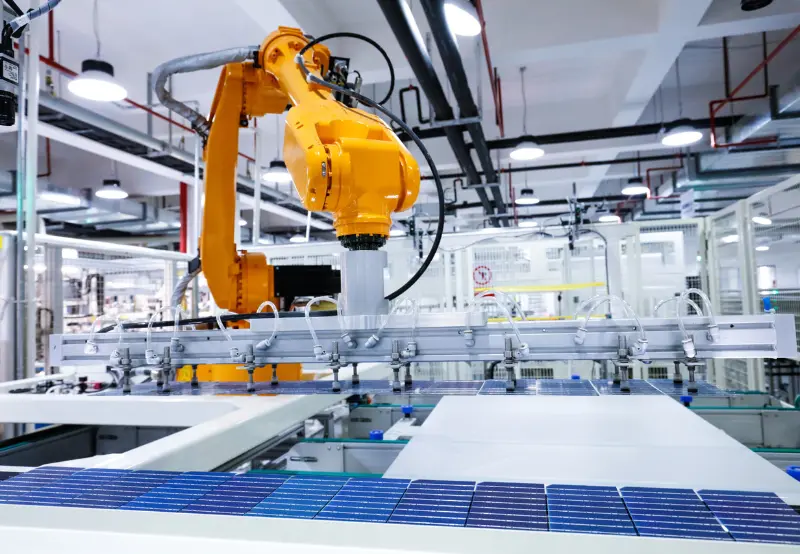
- Battery manufacturing units and gigafactories.
- EV component suppliers aligned with global standards.
- Charging infrastructure companies setting up production bases.
62,000 Jobs: Employment Opportunities Ahead
One of the most promising aspects of this growth is job creation. Projections indicate around 62,000 direct and indirect jobs across various sectors:
- Skilled roles in battery and EV assembly.
- Technical roles in R&D and quality assurance.
- Indirect jobs in logistics, raw materials, and after-sales services.
This aligns perfectly with both Make in India and Skill India initiatives.
Role of Nagpur–Mumbai Samruddhi Highway & DMIC
Infrastructure is a key enabler of industrial growth. The Samruddhi Highway offers direct connectivity to Nagpur, Mumbai, and key hinterlands, reducing transport costs and improving supply chain efficiency.
Meanwhile, integration with the Delhi–Mumbai Industrial Corridor (DMIC) gives Sambhajinagar access to world-class logistics parks, freight corridors, and industrial clusters, enhancing its global competitiveness.
Why Automakers Are Choosing This Hub
Major automakers and component makers are eyeing this hub because of:
- Government support via incentives and subsidies.
- Availability of large tracts of industrial land.
- Closeness to ports for exports.
- Synergies with existing auto clusters in Pune and Nashik.
This ecosystem effect makes it easier for manufacturers to scale operations quickly.
Economic and Social Impact
The EV Manufacturing Hub Growth will have far-reaching impacts:
Economic:
- Boost to Maharashtra’s GDP.
- Attraction of foreign direct investment (FDI).
- Growth of allied industries (electronics, logistics, IT services).
Social:
- Enhanced employment opportunities for local youth.
- Skill development through training centres.
- Improved infrastructure and urban development in the region.
Challenges to Overcome
While the momentum is strong, challenges remain:
- High initial cost of EV adoption in India.
- Need for reliable charging infrastructure across highways and cities.
- Ensuring local supply of critical raw materials like lithium.
- Competition from established hubs in Gujarat and Tamil Nadu.
Addressing these issues will be critical for sustaining Sambhajinagar’s growth story.
Future Outlook for India’s EV Industry
India is targeting 30% EV adoption by 2030. To achieve this, hubs like Sambhajinagar must scale both production and innovation.
Key future opportunities include:
- Gigafactories for advanced battery chemistries.
- Export of EVs and components to global markets.
- Integration of renewable energy with EV manufacturing for sustainable supply chains.
Conclusion
The EV Manufacturing Hub Growth in Chhatrapati Sambhajinagar is more than just an industrial story—it’s a national milestone. With ₹71,000 crore in investments and 62,000 jobs expected, the city is firmly on its way to becoming India’s EV capital.
As global mobility shifts towards electric, Sambhajinagar’s rise symbolises how India can lead with sustainable innovation, robust infrastructure, and empowered local communities.