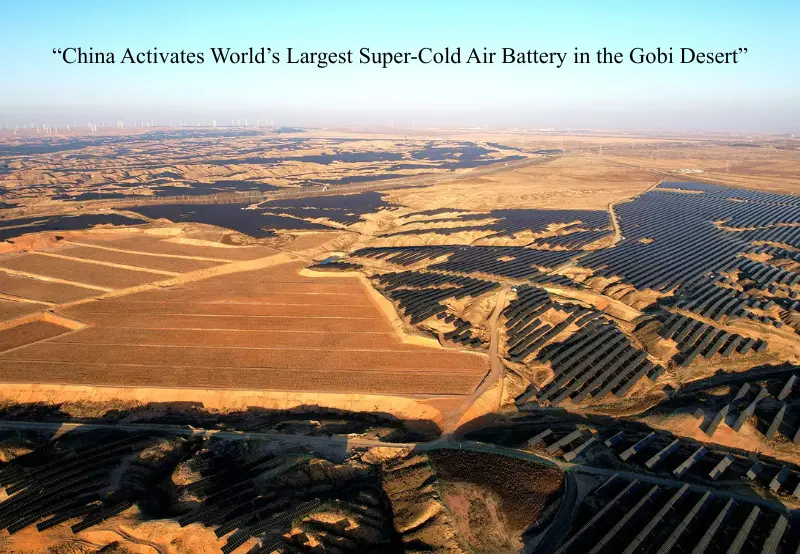

China has commissioned the world’s largest super-cold air battery, a groundbreaking energy storage facility located in the Gobi Desert. This innovative project marks a major advancement in long-duration energy storage and is designed to support the country’s rapidly expanding renewable energy capacity.
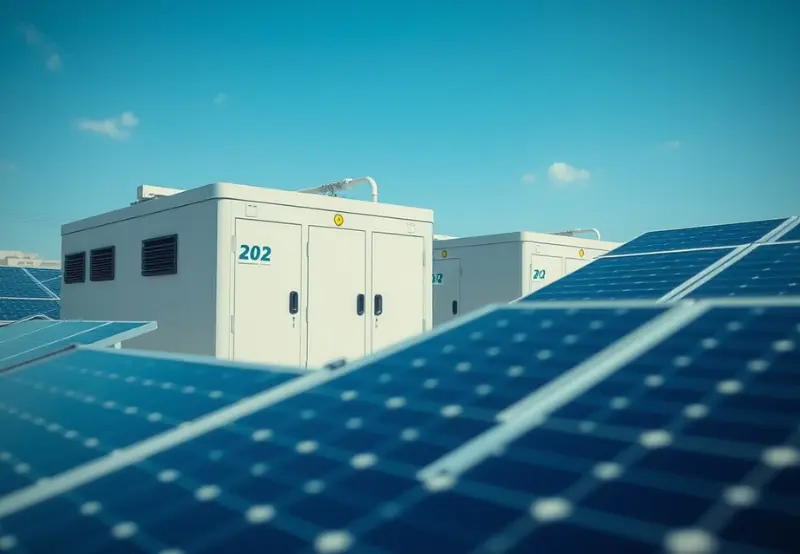
The facility uses liquid-air energy storage (LAES) technology, which stores electricity by cooling and compressing air to extremely low temperatures, enabling energy to be released when demand rises.
How the Super-Cold Air Battery Works
The system operates by using surplus electricity — typically generated from solar and wind power — to compress and cool air to around −194°C, at which point it becomes liquid. This liquid air is stored in insulated tanks.
When electricity is required, the liquid air is warmed, causing it to expand rapidly. This expansion drives turbines that generate electricity, delivering power back to the grid during peak demand periods or when renewable generation is low.
Scale and Performance
The super-cold air battery has a storage capacity of approximately 600,000 kilowatt-hours and can provide electricity continuously for up to 10 hours in a single discharge cycle. The facility is expected to generate around 180 million kilowatt-hours of clean electricity each year, enough to supply power to tens of thousands of households.
Unlike conventional battery technologies, the system does not rely on lithium, cobalt or other rare materials, making it a more sustainable and scalable solution for long-term energy storage.
Supporting Renewable Energy Integration
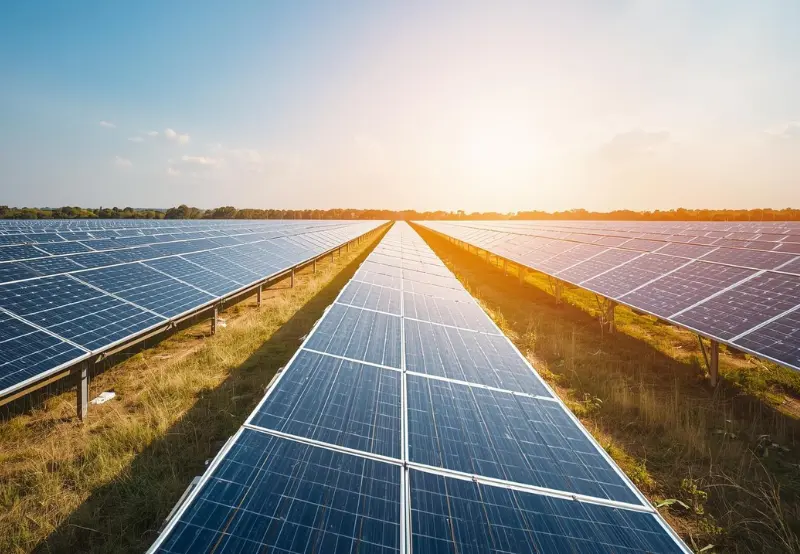
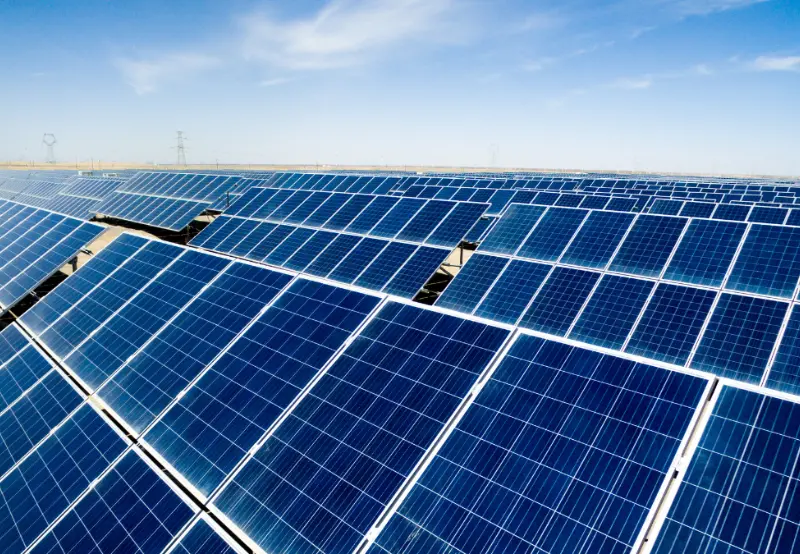
As renewable energy production increases, managing supply variability becomes essential. The super-cold air battery plays a crucial role in balancing the grid by storing excess power during periods of high generation and releasing it when demand peaks.
This capability reduces renewable energy curtailment, improves grid stability and enhances energy security, particularly in regions with large renewable installations.
A Step Towards a Low-Carbon Energy Future
The project demonstrates how advanced storage technologies can complement renewable energy at scale. By combining long-duration storage with wind and solar power, China is strengthening its ability to deliver reliable, low-carbon electricity while reducing dependence on fossil fuels.
As energy systems worldwide transition towards cleaner sources, super-cold air batteries could become a key component in building resilient, sustainable power grids for the future.