
China has filed a WTO complaint against India’s EV and battery subsidies, alleging unfair trade practices. Discover the implications for India’s electric vehicle industry, global clean-tech markets, and green energy diplomacy.
Introduction
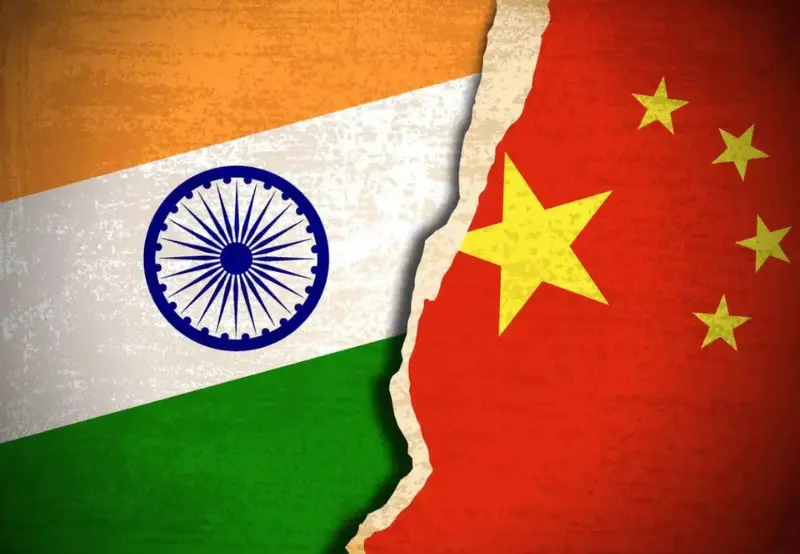
In a major development that could reshape global trade in clean technology, China has filed a formal complaint with the World Trade Organization (WTO) against India’s electric vehicle (EV) and battery manufacturing subsidies. Beijing alleges that India’s policy framework unfairly favours domestic manufacturers and violates global trade regulations. This move comes at a time when India is rapidly scaling its EV production capacity and battery infrastructure to meet its ambitious net-zero and green mobility goals.
The dispute highlights growing tensions between India and China over dominance in the emerging EV and renewable energy markets, both of which are vital to global decarbonisation efforts.
China’s Allegations: What’s at Stake
According to China’s Ministry of Commerce, India’s EV and battery subsidy programmes — including the FAME (Faster Adoption and Manufacturing of Hybrid & Electric Vehicles) scheme and the Production-Linked Incentive (PLI) initiative — allegedly breach WTO’s national treatment and subsidy rules. These rules require equal treatment for domestic and foreign firms and prohibit subsidies tied to local content or import substitution.
China claims that these policies place Chinese EV manufacturers and battery suppliers at a competitive disadvantage, effectively restricting fair access to India’s growing clean-tech market.
Beijing has requested WTO consultations with New Delhi to resolve the matter, marking the first formal step in a potential full-scale trade dispute.
India’s EV Subsidy Strategy: Driving Growth and Self-Reliance
India’s push toward electric mobility is driven by the twin goals of reducing carbon emissions and cutting oil imports. The government has rolled out several policies to support domestic manufacturing and innovation:
- FAME II Scheme – Encourages adoption of EVs through consumer incentives and charging infrastructure development.
- PLI for Advanced Chemistry Cell (ACC) Batteries – Provides financial support to boost large-scale battery production within India.
- State-level Incentives – Many states, including Maharashtra, Tamil Nadu, and Gujarat, offer additional benefits to EV and battery makers.
These initiatives have spurred growth in local manufacturing and created new opportunities for both established and emerging Indian EV companies. However, they have also drawn international scrutiny over compliance with WTO norms.
The Broader Context: Trade, Technology, and Green Politics
The China-India trade relationship has always been complex, marked by cooperation in certain sectors and tension in others. The latest WTO complaint adds another layer of contention.
China remains a major supplier of lithium-ion cells and EV components to global markets, including India. But as New Delhi aims to localise supply chains, reduce import dependence, and promote “Make in India” manufacturing, friction with trade partners was almost inevitable.
Analysts suggest that China’s move may not only be about fair trade but also about retaining influence in the global EV and battery value chain, especially as India seeks to become a regional manufacturing hub.
Possible Implications for India and the EV Industry
- WTO Review Process
If WTO consultations fail to resolve the issue, a dispute settlement panel could be established. This process may take months or even years, but it will bring international attention to India’s subsidy policies. - Impact on Foreign Investment
Global investors closely watch such disputes. Prolonged uncertainty could affect investor sentiment in India’s clean-tech and EV sectors. - Policy Adjustments
India may need to fine-tune subsidy structures to ensure compliance with global trade obligations while maintaining its domestic growth momentum. - Boost to Domestic Competitiveness
Regardless of the outcome, India’s focus on technology independence and innovation-driven growth will likely continue, strengthening its EV manufacturing ecosystem in the long run.
Expert Opinions
Trade experts point out that green industrial policy is becoming a central arena for economic competition worldwide. Governments are offering incentives to attract investment and scale up local industries, but these measures often test the limits of WTO rules framed decades ago.
Economist Dr. R. Mehra notes, “India’s EV subsidies are critical for the nation’s clean-energy transition. The challenge lies in designing policies that balance domestic priorities with international obligations.”
Looking Ahead: Can Diplomacy Prevail?
While China’s WTO complaint intensifies trade friction, both nations may seek to resolve the matter diplomatically to avoid long-term disruption. India, meanwhile, is expected to defend its stance by emphasising the environmental and developmental justifications behind its subsidy policies — a valid argument under certain WTO exceptions.
The case also underlines the urgent need for reforming global trade rules to accommodate the realities of the green economy, where sustainable development often requires proactive state support.
Conclusion
China’s WTO complaint against India’s EV and battery subsidies underscores a new phase in global clean-tech competition. For India, this challenge presents both risk and opportunity — a chance to reaffirm its commitment to green industrialisation while ensuring full WTO compliance.
As nations race to dominate the electric mobility and renewable energy sectors, disputes like this highlight the complex intersection of sustainability, trade, and national strategy. How India navigates this issue could set the tone for its role as a future leader in the global EV revolution.
For more EV new, Visit; EV News