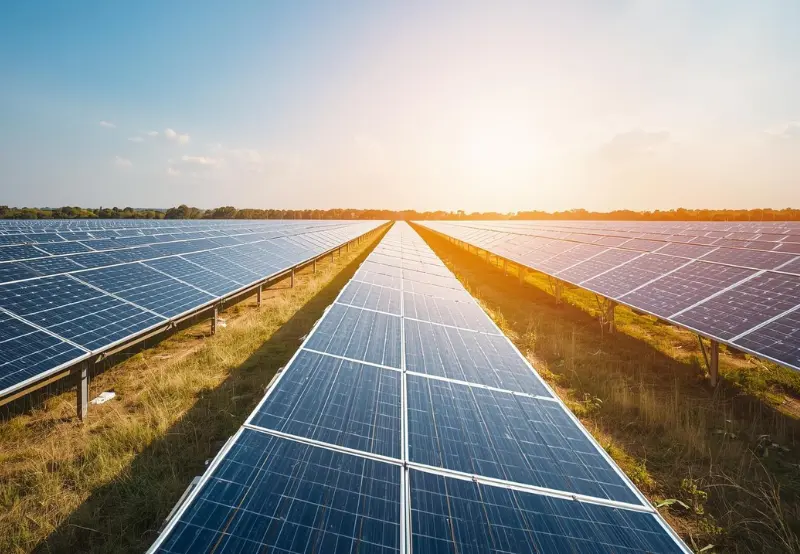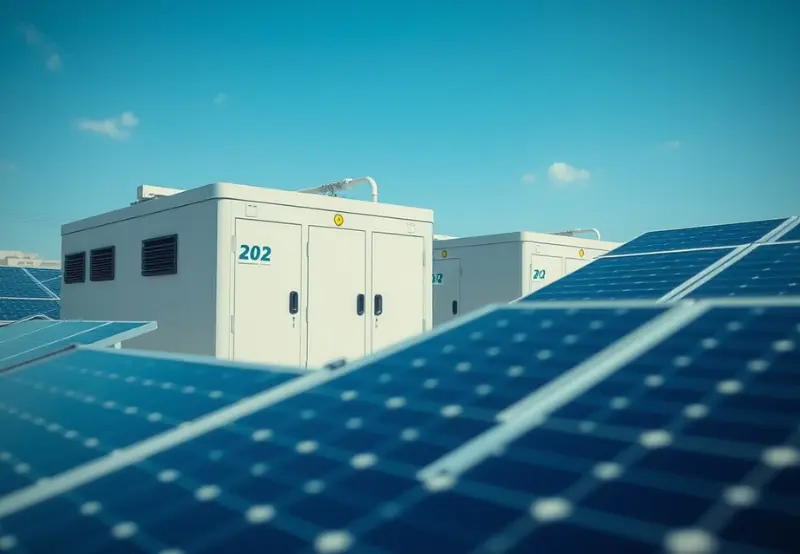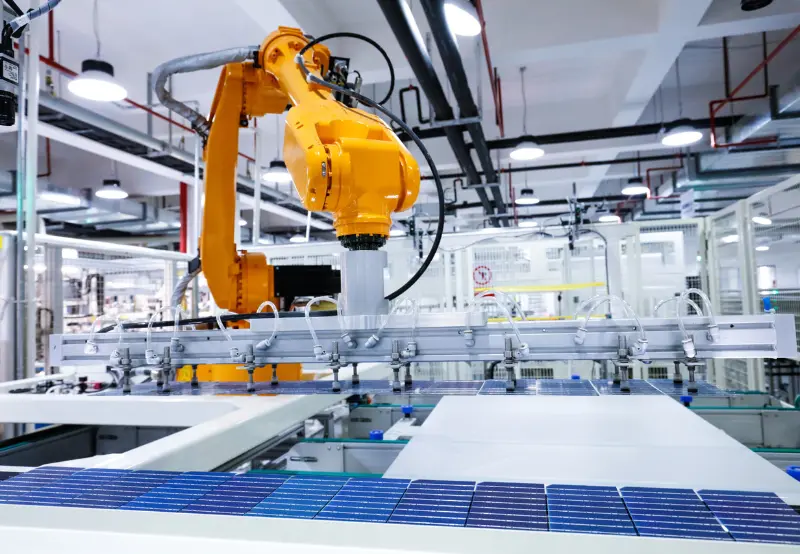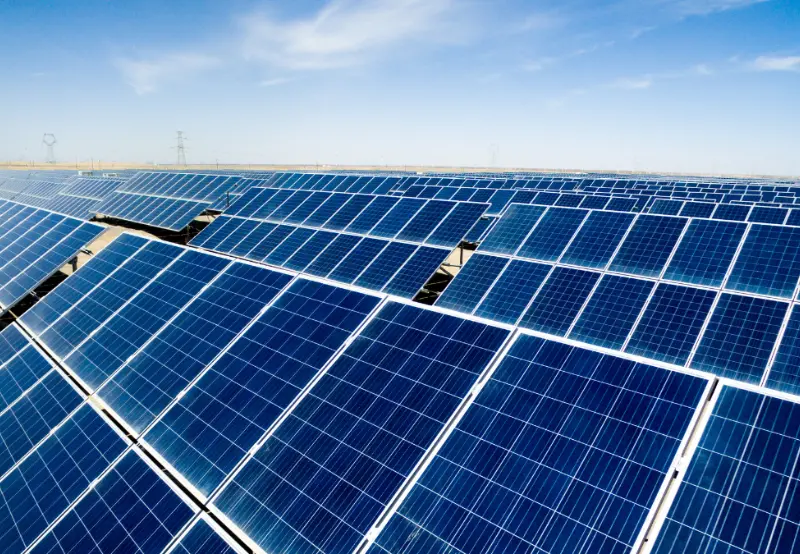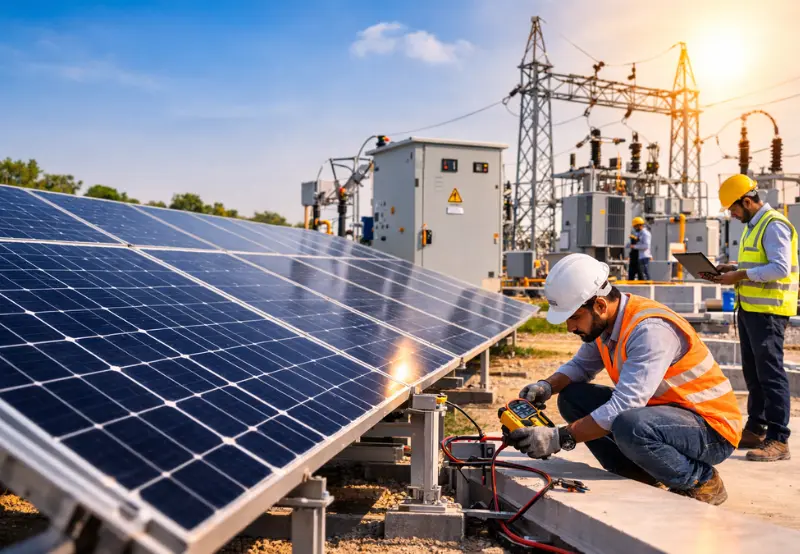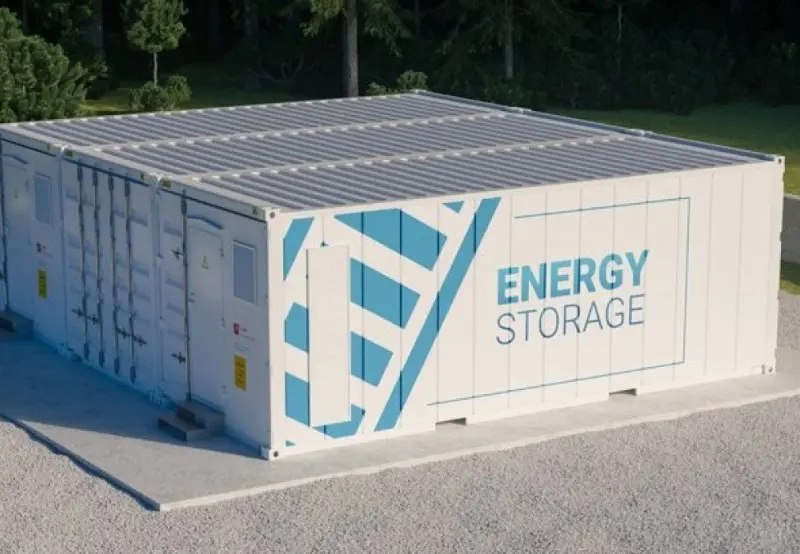

Three Chinese firms land 9.5 GWh storage deals across Africa and Europe, reflecting soaring demand for global battery systems and the rapid growth of renewable integration.
1. Introduction: A Global Push for Energy Storage
Chinese firms land 9.5 GWh storage deals globally, marking one of the largest recent expansions in international energy storage supply. Three leading Chinese battery and storage system providers have signed agreements with clients in Africa and Europe, reflecting the skyrocketing demand for large-scale battery solutions to stabilise renewable power.
2. The 9.5 GWh Deals – Who’s Involved?
While company names have not been officially disclosed in every case, reports indicate that three major Chinese storage manufacturers are behind the contracts. The combined delivery amounts to nearly 9.5 GWh of energy storage capacity, which is enough to:
- Back up several large-scale solar and wind projects, or
- Provide grid stability for entire regions during peak demand hours.
Such large transactions demonstrate the rising confidence in Chinese storage technology among international clients.
3. Why Africa and Europe Are Critical Markets
- Africa: Many African nations are accelerating renewable deployment but face weak grid infrastructure. Energy storage offers a way to provide stable, reliable electricity while expanding solar and wind projects.
- Europe: With ambitious Net Zero 2050 targets, European nations are rapidly scaling up renewables. Storage systems are critical to balancing intermittent solar and wind generation and ensuring grid reliability.
By targeting these regions, Chinese firms are positioning themselves as global enablers of clean energy transitions.
4. The Growing Global Demand for Battery Storage
The International Energy Agency (IEA) estimates that global energy storage deployment will need to reach 600 GW by 2030 to stay on track with climate goals. With falling lithium-ion costs and rising renewable penetration:
- Utility-scale storage projects are being rolled out at record speed.
- Countries are competing to secure long-term supply contracts for batteries.
- Companies like these Chinese firms are emerging as key suppliers worldwide.
5. China’s Role in the Energy Storage Supply Chain
China currently dominates the global battery supply chain, from raw material processing to cell production and system integration. By securing these 9.5 GWh international deals, Chinese manufacturers are:
- Expanding their global market share.
- Strengthening trade links with both developed and emerging economies.
- Reinforcing their reputation as leaders in cost-effective, scalable storage solutions.
6. Key Benefits of Large-Scale Storage Deals
- Grid Stability: Balances variable renewable power.
- Energy Security: Reduces dependency on fossil fuels.
- Economic Growth: Stimulates investment in clean energy sectors.
- Carbon Reduction: Enables deeper penetration of renewables.
- Scalability: Provides flexible solutions from utility-scale plants to regional microgrids.
7. Challenges and Risks to Watch
Despite the promise, challenges remain:
- Supply chain risks, especially around critical minerals.
- Geopolitical tensions between China and Western economies.
- Technology competition from US, Korean, and European battery makers.
- Sustainability concerns, including recycling and lifecycle emissions.
How these are managed will determine the long-term credibility of Chinese storage solutions.
8. Implications for the Global Energy Transition
These 9.5 GWh storage deals underline a powerful message: energy storage is no longer optional, it is essential. By securing contracts in both Africa and Europe, Chinese firms are:
- Accelerating the shift to renewable grids.
- Helping nations reduce reliance on coal and gas peakers.
- Proving that large-scale storage can be delivered at competitive costs.
This positions China as a global partner in the decarbonisation journey, even as markets diversify their suppliers.
9. Final Thoughts
The news that Chinese firms land 9.5 GWh storage deals globally marks a major win for international energy storage. With projects spanning both Africa and Europe, these agreements show how storage is rapidly becoming the backbone of renewable integration.
If executed successfully, these deals will not only expand China’s global footprint but also demonstrate how large-scale batteries can reshape electricity markets worldwide. The next few years will reveal whether these partnerships translate into lasting benefits for clean energy access, reliability, and affordability.
For more updates on energy storage and global clean tech trends, explore EV News