
As India races towards cleaner and greener mobility solutions, two alternatives to traditional petrol bikes are gaining attention: CNG (Compressed Natural Gas) bikes and Electric Vehicles (EV) bikes. Both promise reduced pollution and cost savings, but is comparing CNG bikes directly to electric bikes really fair? Let’s delve into the nuances to understand which option truly suits Indian commuters.
The Rise of Clean Mobility in India
With increasing pollution levels in cities like Delhi, Mumbai, and Bangalore, and growing concerns over fossil fuel dependency, cleaner transportation options are vital. The government’s push for sustainable transport has accelerated the adoption of electric two-wheelers, but CNG bikes have quietly entered the market as a potentially cost-effective alternative.
What Are CNG Bikes?
CNG bikes run on compressed natural gas, a fossil fuel but cleaner than petrol or diesel. India already has a strong CNG infrastructure for cars, especially in metropolitan areas. CNG emits about 20-30% less CO2 compared to petrol, and nitrogen oxides (NOx) and particulate emissions are also significantly lower.
Advantages of CNG Bikes:
- Lower fuel cost: CNG is generally cheaper than petrol, translating to reduced running expenses.
- Less pollution: Cleaner combustion means fewer harmful emissions.
- Better mileage: Some CNG bikes claim improved fuel efficiency compared to petrol counterparts.
- Quick refuelling: Similar to petrol bikes, refuelling takes minutes.
Challenges:
- Limited availability: CNG stations are mostly concentrated in select urban centres.
- Modification costs: Petrol bikes often require conversion kits to run on CNG.
- Reduced power output: CNG engines may feel less powerful than petrol ones.
- Tank size & weight: Larger CNG cylinders add bulk and weight, affecting handling.
Electric Bikes: The Modern Alternative
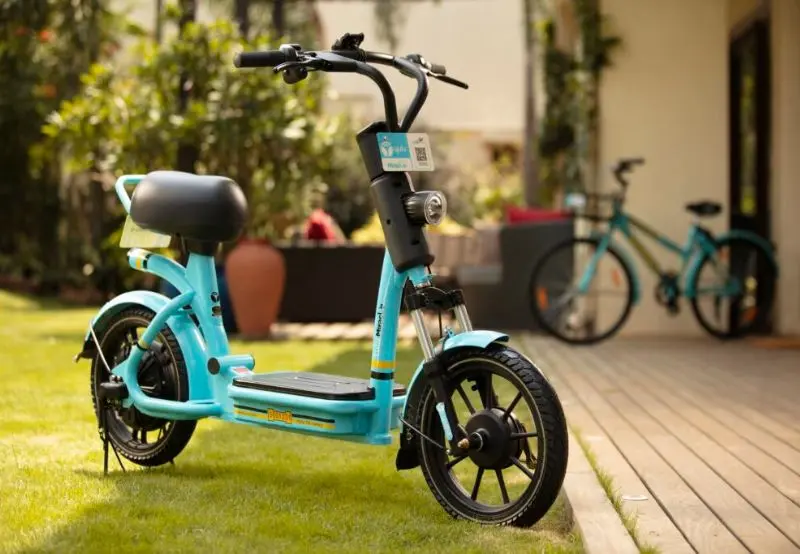
Electric bikes run on rechargeable batteries and emit zero tailpipe pollution. Supported by government incentives and rising environmental awareness, EV bikes are increasingly popular among urban commuters.
Benefits of EV Bikes:
- Zero emissions: EV bikes produce no direct pollution, ideal for cities battling smog.
- Low running costs: Electricity costs are lower than petrol or CNG, and EVs require less maintenance.
- Smooth, quiet ride: Instant torque delivers silent and swift acceleration.
- Growing infrastructure: Public and private charging stations are rapidly expanding.
Limitations:
- Charging time: Full charge takes longer than refuelling CNG or petrol.
- Range anxiety: Many models offer limited mileage per charge (50-100 km typically).
- Higher upfront cost: EV bikes can be pricier initially, despite subsidies.
- Battery lifespan: Battery degradation affects performance and replacement costs.
Is Comparing CNG Bikes to EV Bikes Fair?
While both aim to reduce pollution and cost, CNG bikes are still tied to fossil fuels, whereas EVs represent a shift towards renewable energy, especially as India’s grid becomes greener. CNG bikes offer a transitional solution leveraging existing fuel infrastructure but lack the long-term sustainability of electric vehicles.
Moreover, EV bikes bring new challenges like battery disposal and range limitations, but technological advancements are rapidly addressing these.
What Should Indian Commuters Choose?
- Urban dwellers with access to CNG stations and budget constraints might find CNG bikes practical.
- Environment-conscious users aiming for zero emissions and willing to invest upfront should consider EV bikes.
- Long-term sustainability leans towards electric mobility as India pushes for cleaner energy and enhanced charging infrastructure.
India’s journey towards clean transportation is multi-faceted. CNG bikes provide an immediate, cost-effective reduction in pollution, while electric bikes chart the future of zero-emission mobility. Rather than choosing one over the other, both technologies can coexist during this transition phase, catering to different commuter needs and regional infrastructure.
Investing in EV infrastructure and clean energy will ultimately define the future of two-wheeler commuting in India, but CNG bikes offer a valuable bridge today.