
Delhi is taking a major step forward in the transition to electric mobility with the rollout of Electric Vehicle (EV) Policy 2.0, aligned with the Centre’s PM E-Drive initiative. This combined strategy aims to accelerate adoption of electric vehicles across the national capital, build robust charging infrastructure and electrify public transport, signalling a fresh phase in clean urban mobility.
A New Era for Electric Vehicles in Delhi
Under EV 2.0, the Delhi government plans to significantly expand support for electric vehicles through a mix of subsidies, infrastructure expansion and fleet electrification goals. The updated policy builds on past EV efforts but is tailored to align more closely with national electrification targets and the incentives offered under the PM E-Drive scheme, which has a central funding outlay for buses, charging stations and testing infrastructure.
One of the key features of the policy is the expansion of financial incentives for EV buyers. Subsidies include support of up to a set amount per kilowatt-hour of battery capacity for electric two-wheelers and three-wheelers, making EV purchases more affordable for city residents. State and central subsidies will be integrated through a dedicated online portal, making it easier for buyers to claim benefits at the point of sale.
Boosting Charging Infrastructure
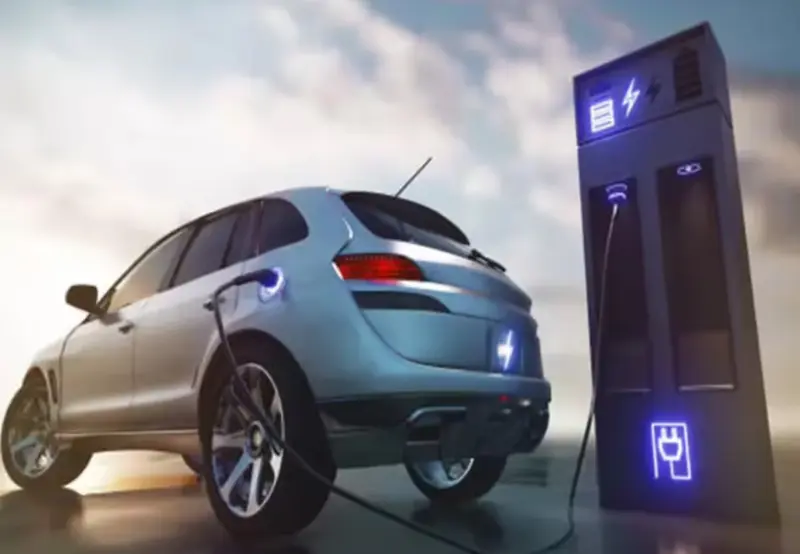
Delhi’s EV 2.0 strategy also targets a dramatic increase in charging infrastructure. The city plans to more than double the number of public charging points by the end of the year, bolstering urban coverage and reducing range anxiety among EV users. Fast-charging corridors are being planned along major roads, such as the Outer Ring Road, with the aim of placing EV charging stations at regular intervals to support both private and shared electric vehicles.
This expansion of charging infrastructure aligns with the broader goals of the PM E-Drive scheme, under which significant funds have been earmarked for EV public charging infrastructure, test facility upgrades and deployment of electric buses.
Electrifying Public Transport and Fleets
A major ambition of the EV 2.0 plan is to electrify Delhi’s public transport fleet. The policy sets progressive targets for phasing in electric buses across the city’s routes, contributing to cleaner air and reduced emissions. Under the PM E-Drive scheme, large allocations are being made for thousands of electric buses nationwide, with many expected to operate in Delhi’s urban network.
This focus on public transport electrification is intended to reduce dependence on fossil fuel-powered vehicles, lower operational costs for public services and improve overall air quality in the capital — one of the country’s most polluted major cities.
Encouraging Adoption Through Incentives
In addition to subsidies for new EV purchases, the policy emphasises incentives for owners to scrap older internal combustion engine vehicles, helping accelerate the shift to cleaner transport. Proper battery recycling and second-life battery use are also highlighted as part of efforts to build a sustainable EV ecosystem.
Financial incentives, when combined with improved infrastructure and clear policy direction, are expected to boost consumer confidence in electric mobility and encourage wider adoption across private and commercial segments.
Looking Ahead: A Cleaner Urban Transport Future
Delhi’s push into EV 2.0 reflects a broader national and local commitment to sustainable transport, cleaner air and reduced greenhouse gas emissions. By leveraging central schemes like PM E-Drive alongside locally tailored incentives and infrastructure upgrades, the national capital aims to become a model for urban electric mobility in India.
With expanded subsidies, charging networks and fleet electrification targets, Delhi’s EV policy could help transform daily commuting and public transport, while contributing to the country’s long-term climate goals.