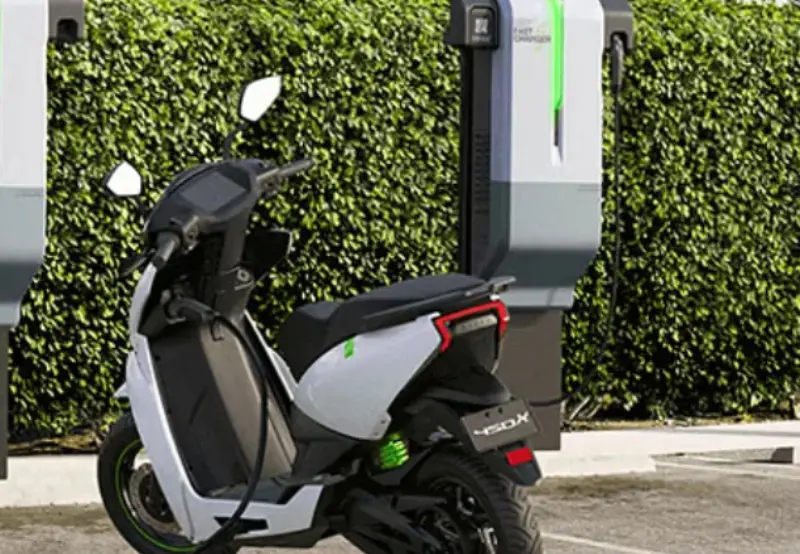

The Delhi government is preparing a major update to its electric vehicle (EV) policy as part of its efforts to tackle rising air pollution and promote cleaner urban transport. Under the draft policy, riders switching from petrol-powered two-wheelers to electric alternatives could receive a substantial subsidy of between ₹35,000 and ₹40,000. This move aims to make EVs more affordable for middle-class commuters and accelerate the shift away from fossil fuel-based vehicles.
A Step Towards Cleaner Air
Delhi routinely struggles with poor air quality, particularly during the winter months when pollution levels often reach hazardous levels. Vehicular emissions remain one of the largest contributors to this crisis, making clean mobility solutions a priority for city officials. The proposed EV incentives are designed to reduce emissions from everyday commuter vehicles and encourage widespread adoption of zero-emission transport options.
The draft policy also includes plans to offer substantial subsidies not only for personal two-wheelers but also for commercial three-wheelers transitioning to electric models. Additionally, petrol and diesel vehicles priced up to ₹20 lakh may become eligible for incentives if converted to electric power, making the benefits broader and more inclusive.
Policy Timeline and Implementation
According to government sources, the draft of the new EV policy is expected to be released by early January 2026. The policy will be part of a wider strategy that emphasises cleaner transport, improved infrastructure and stricter enforcement of pollution standards.
To reinforce the fight against air pollution, the Delhi government has also discussed imposing higher fines for non-compliance with vehicle emissions norms, such as requiring valid Pollution Under Control (PUC) certificates. The aim is to improve compliance and reduce emissions from older, more polluting vehicles.
Reducing Congestion and Emissions
During recent high-level meetings, Delhi’s leadership also examined traffic congestion hotspots and explored partnerships with transport aggregators to introduce bus services in the Delhi-NCR region. These steps are intended to reduce reliance on private vehicles and ease traffic-related pollution.
What It Means for Delhi Residents
If approved, the new EV subsidies could make electric scooters and motorcycles far more accessible, especially for daily commuters who depend on two-wheelers for their daily travel. By lowering the upfront cost of EV ownership, the Delhi government hopes to encourage a faster transition to sustainable transport and significantly cut vehicular emissions over time.
This proactive policy approach positions Delhi as a leader in urban EV adoption in India, offering practical incentives to residents while addressing the larger challenge of air quality and public health.